Gardening enthusiasts often find themselves at a crossroads when it comes to soil types. Choosing between clay soil and sandy soil can significantly impact plant health and garden productivity. Clay soil retains moisture but can become compacted, while sandy soil drains quickly and may struggle to hold nutrients. Understanding these differences is crucial for nurturing a thriving garden.
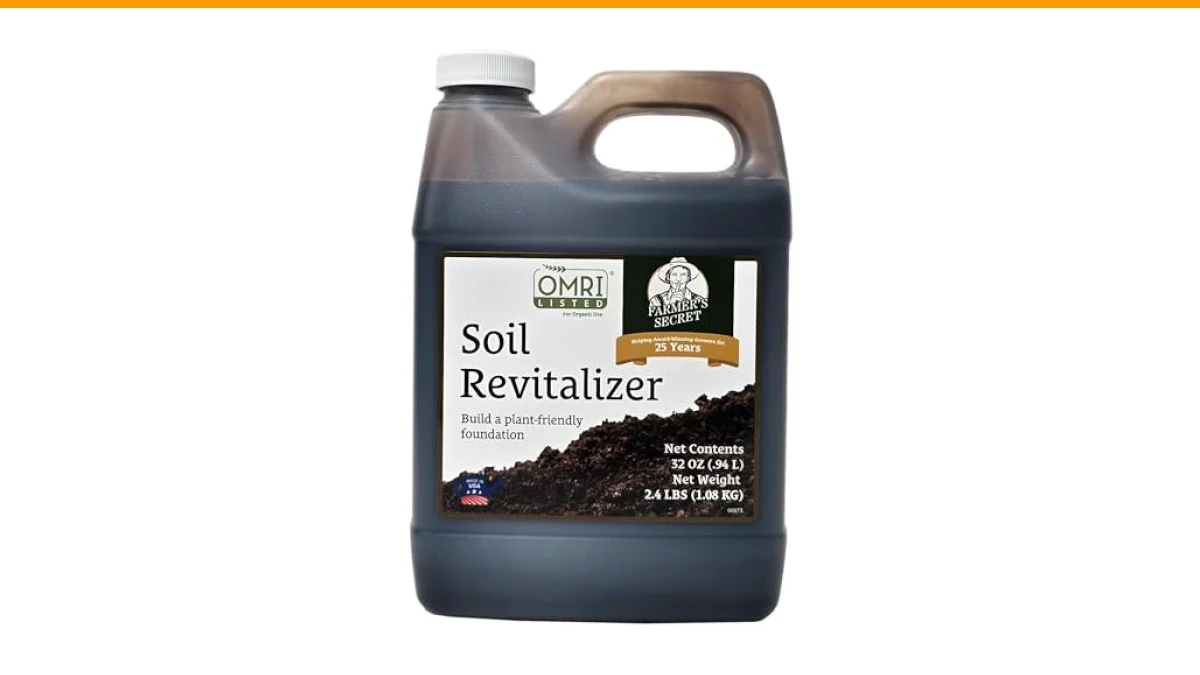
This article will help you grasp the characteristics of clay soil versus sandy soil gardening. You’ll discover how to manage each type effectively. Additionally, we’ll introduce a product that can aid in soil improvement: the Farmer’s Secret Soil Revitalizer. This organic soil amendment can stimulate microbial activity, enhancing the health of your soil.

Farmer's Secret
Farmer’s Secret Soil Revitalizer - Organic (OMRI Listed) Dirt Health Booster - Liquid Compost Soil Amendment - Activated Humic Acid - Great for Fall/Spring Application (32oz)
- Feed the soil not the plants - stimulate microbial activity in your soil and boost probability of success with all types of plants…
- For best results, apply monthly throughout the growing season, especially in the fall and spring
- No synthetic chemicals - main ingredient in this product is activated humics derived from organic sources (OMRI certified organic)
Characteristics of Clay Soil
Clay soil consists of very fine particles that are tightly packed together. This composition results in several key characteristics:
- Water Retention: Clay soil retains moisture exceptionally well. This can be advantageous during dry spells, as it holds water for extended periods.
- Nutrient Availability: Clay particles hold nutrients tightly, so they may be available to plants, but they can also lead to nutrient imbalances if not managed properly.
- Compaction: Due to the dense structure, clay soil can easily become compacted, limiting root growth and water infiltration.
- Temperature Regulation: Clay soil warms slowly in the spring and retains heat, which can be beneficial for some plants but may delay germination for others.
Characteristics of Sandy Soil
Sandy soil, on the other hand, is composed of larger particles, which leads to different traits:
- Drainage: Sandy soil drains quickly, which helps prevent root rot but can lead to drought stress if rainfall is inadequate.
- Nutrient Leaching: Nutrients can leach away quickly in sandy soil, requiring more frequent fertilization to maintain plant health.
- Soil Aeration: The larger particles allow for better aeration, which promotes root growth and overall plant health.
- Temperature Variability: Sandy soil warms up quickly in the spring, allowing for earlier planting, but it can also cool down faster in the fall.
Improving Soil Quality
Both clay and sandy soils have their advantages and challenges. Improving soil quality can help you maximize the benefits of each. Here are some effective strategies:
For Clay Soil
- Add Organic Matter: Incorporating compost or well-rotted manure can improve drainage and aeration.
- Aeration: Regularly aerating the soil can help alleviate compaction and improve root growth.
- Utilize the Farmer’s Secret Soil Revitalizer: This organic soil amendment enhances microbial activity, helping to break down compacted clay and improve nutrient availability.
For Sandy Soil
- Incorporate Organic Matter: Adding compost can help retain moisture and nutrients in sandy soil.
- Mulching: Using mulch can help reduce evaporation and maintain soil temperature.
- Fertilization: Regularly applying organic fertilizers can replenish nutrients that leach away easily.
Comparative Overview
| Characteristic | Clay Soil | Sandy Soil |
|---|---|---|
| Water Retention | High | Low |
| Nutrient Availability | Moderate to High | Low |
| Compaction | High | Low |
| Soil Aeration | Low | High |
| Temperature Regulation | Slow | Fast |
Frequently Asked Questions
1. Can I grow vegetables in clay soil?
Yes, many vegetables can thrive in clay soil, but it’s essential to improve drainage and aeration. Adding organic matter is key to enhancing its structure.
2. What types of plants do well in sandy soil?
Drought-tolerant plants such as succulents, lavender, and many herbs thrive in sandy soil due to its excellent drainage.
3. How can I tell what type of soil I have?
Perform a simple test: take a handful of moist soil and squeeze it. If it holds shape, it’s likely clay. If it crumbles, it’s sandy.
4. Can I mix clay and sandy soil?
Mixing the two can create a more balanced soil, improving drainage while retaining some moisture. This is often beneficial for gardening.
5. How often should I amend my soil?
For best results, amend your soil annually, especially before planting season. Regular applications of organic matter can significantly enhance soil quality.
Final Thoughts for Gardeners
- Understand the unique characteristics of your soil type.
- Improve clay soil with organic matter to enhance drainage.
- In sandy soil, focus on moisture retention strategies.
- Use products like the Farmer’s Secret Soil Revitalizer for better soil health.
- Regular soil testing can help you maintain optimal nutrient levels.
- Consider mulching to protect both soil types from extreme temperatures.
- Experiment with different plants to find the best fits for your soil conditions.