Imagine tending to your beloved garden, only to find your plants covered in unsightly orange or brown spots. This scenario is all too familiar for many gardeners dealing with rust disease on plants. Rust diseases are caused by a group of fungal pathogens that can severely impact plant health, leading to reduced growth and even plant death if left unchecked.
This article will guide you through identifying rust disease, understanding its lifecycle, exploring treatment options, and implementing preventive measures. By the end, you’ll have the knowledge needed to protect your plants effectively.

KOMPOZIT
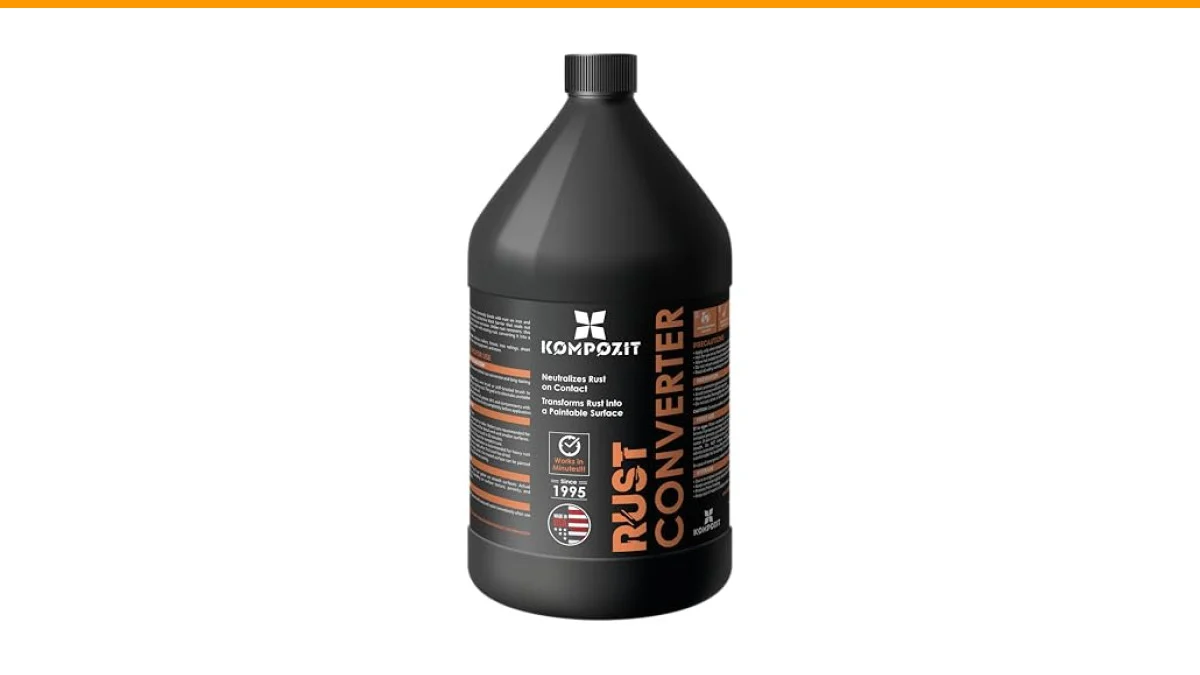
KOMPOZIT Rust Converter for Metal - Rust Reformer, Rust Neutralizer & Rust Treatment - Plant-Based Water-Based Formula, Solvent-Free Odorless Corrosion Converter, Ready to Use - Made in USA - 1 Gallon
- RUST CONVERTER FOR METAL – Converts rust into a dark, solid primer layer while helping create a stable surface for painting. Penet…
- PLANT-BASED FORMULA – Water-based rust treatment made from renewable plant-derived materials. Solvent-free, low odor formula suita…
- PREPARES SURFACES FOR PAINT – Rust reformer and rust neutralizer that smooths rusted metal and creates an excellent base for prime…
For those dealing with rust on metal surfaces, the KOMPOZIT Rust Converter can be a useful tool. This plant-based, water-based formula neutralizes rust on metal, ensuring a stable surface for painting. While it’s not directly related to plant rust, it can be beneficial for maintaining your garden equipment and structures.
What Causes Rust Disease on Plants?
Rust disease is primarily caused by fungi belonging to the order Pucciniales. These fungi thrive in warm, moist environments, making certain conditions especially conducive to their growth:
- Humidity: High humidity levels are a breeding ground for rust spores, which can easily spread in damp conditions.
- Temperature: Most rust fungi prefer temperatures between 60°F and 75°F (15°C to 24°C).
- Plant Stress: Stressed plants, whether from drought or nutrient deficiencies, are more vulnerable to infections.
Understanding these factors can help you manage your garden environment better to minimize the risk of rust disease.
Identifying Rust Disease
Identifying rust disease on plants can be straightforward if you know what to look for. The most common signs include:
- Spots: Look for small, orange, yellow, or brown spots on leaves, stems, and even flowers.
- Pustules: These can appear as raised blisters filled with spores, often seen on the underside of leaves.
- Leaf Drop: Affected leaves may yellow and fall prematurely, leading to reduced photosynthesis.
Early identification is key. The longer you wait, the harder it becomes to control the spread of the disease.
Treatment Options for Rust Disease
Treating rust disease on plants often involves a combination of cultural practices and chemical treatments. Here are effective methods:
- Remove Infected Plant Parts: Prune and dispose of infected leaves and stems to reduce spore load.
- Fungicides: Apply fungicides specifically labeled for rust disease. Options include copper-based fungicides or those containing chlorothalonil. Follow the manufacturer’s instructions for application rates and timing.
- Improve Air Circulation: Space plants adequately to promote airflow, reducing humidity around the foliage.
- Watering Practices: Water plants at the base rather than overhead to keep foliage dry.
These strategies can significantly reduce rust infection and help your plants recover.
Preventing Rust Disease
Preventive measures are essential for maintaining a healthy garden ecosystem. Here are practical steps to consider:
- Choose Resistant Varieties: Select plants known for their resistance to rust diseases when planning your garden.
- Regular Maintenance: Keep your garden clean by removing debris and weeds that can harbor spores.
- Monitor Conditions: Keep an eye on weather conditions and humidity levels, adjusting watering accordingly.
Implementing these practices can help create an environment less favorable for rust disease development.
| Treatment Method | Effectiveness | Cost | Ease of Use |
|---|---|---|---|
| Remove Infected Parts | High | Low | Easy |
| Fungicides | Moderate to High | Varies | Moderate |
| Improve Air Circulation | High | Low | Easy |
| Watering Practices | High | Low | Easy |
What plants are most affected by rust disease?
Rust disease can affect a wide range of plants, including ornamental plants, vegetables, and trees. Commonly affected species include roses, beans, and various types of grasses.
How do I know if my plant has rust disease?
Look for yellow or orange pustules on the leaves and stems. If the leaves are dropping prematurely or showing signs of wilting, those can also indicate a rust infection.
Can rust disease spread from one plant to another?
Yes, rust spores can be airborne or spread through contact. Infected plants can release spores into the environment, infecting nearby plants.
Is it safe to use fungicides on edible plants?
Many fungicides are safe for use on edible plants, but always check the label for specific safety information and wait times before harvesting.
What environmental conditions promote rust disease?
High humidity, warm temperatures, and poor air circulation create ideal conditions for rust diseases to thrive.
Practical Steps for Your Garden
- Monitor humidity levels and adjust watering practices.
- Inspect plants regularly for early signs of rust disease.
- Remove any infected foliage immediately.
- Consider applying fungicides at the first sign of infection.
- Choose resistant varieties when planting new species.
- Maintain proper spacing between plants for good airflow.
- Keep your garden tidy and free from debris.
With these insights, you can manage rust disease effectively and keep your plants thriving. For more gardening tips, check out garden tools for indoor plants and greenhouse humidifiers for plants to enhance your gardening experience.