Growing tomatoes can be immensely rewarding, but it can also come with challenges. Two common diseases that can plague your plants are early blight and late blight. Both can lead to significant crop loss, but they manifest in different ways and require distinct management strategies. If you’re a gardener facing these issues, understanding their differences can save your harvest.
This article will clarify the distinctions between early blight and late blight, how to identify symptoms, and provide effective management techniques. You’ll also see how certain tomato varieties, like the Bonnie Plants Bush Goliath Tomato, can help mitigate these diseases through their disease-resistant traits.

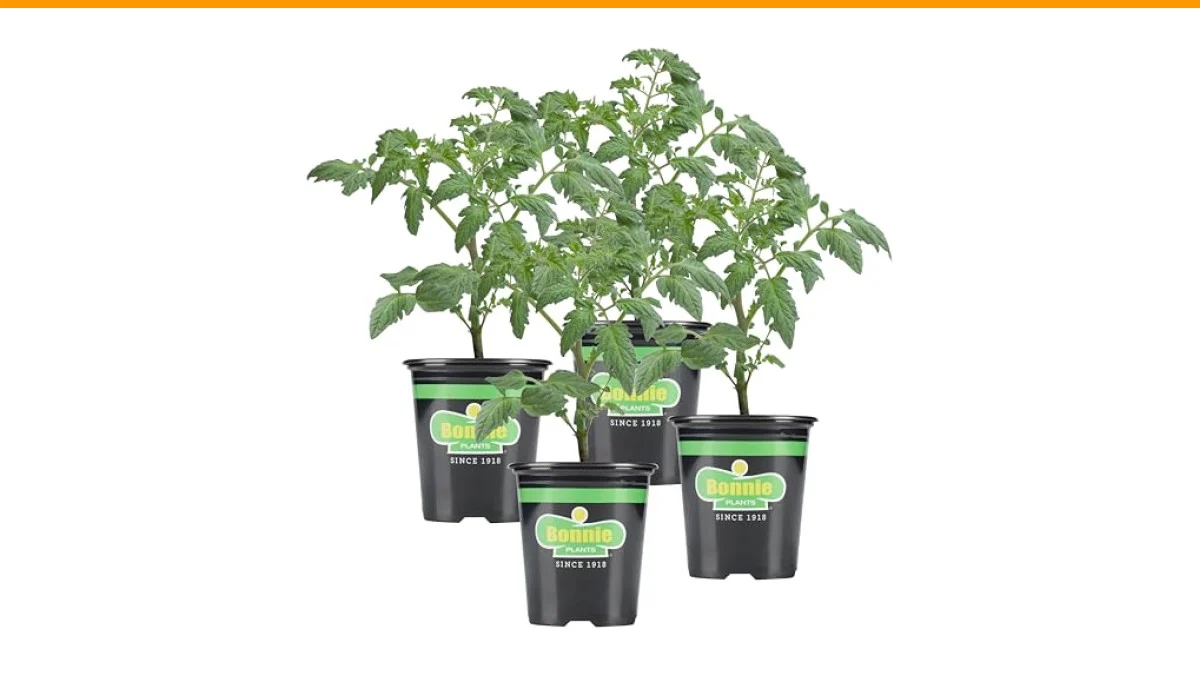
Bonnie Plants
Bonnie Plants Bush Goliath Tomato, Live Plant, 19.3 oz., 4-Pack
- Compact plant vines continuously bear fruit until fall frost
- Ideal for container growing
- Medium-sized, Sweet tasting fruit
What is Early Blight?
Early blight, caused by the fungus Alternaria solani, typically appears on lower leaves first. It manifests as dark, concentric spots on the leaves, leading to yellowing and eventual leaf drop. These symptoms usually start appearing when temperatures are warm, around 70-80°F, especially during wet conditions.
Here are a few key characteristics of early blight:
- Symptoms: Dark, circular spots with concentric rings, yellowing of leaves, and leaf drop.
- Conditions: Thrives in humid environments, especially below 85°F.
- Spread: Primarily through infected debris or soil, it can spread quickly if left untreated.
What is Late Blight?
Late blight is caused by the oomycete pathogen Phytophthora infestans. It’s infamous for causing the Irish Potato Famine in the 19th century and can affect both tomatoes and potatoes. Late blight appears suddenly, often after prolonged periods of cool, wet weather. It leads to large, water-soaked lesions that can cover entire leaves quickly.
Key traits of late blight include:
- Symptoms: Large, water-soaked spots on leaves and stems, white, fuzzy growth on the undersides of leaves.
- Conditions: Prefers cool, moist conditions, typically between 60-70°F.
- Spread: Rapidly spreads through airborne spores, making it more challenging to control.
Comparing Early Blight and Late Blight
| Feature | Early Blight | Late Blight |
|---|---|---|
| Causing Agent | Alternaria solani | Phytophthora infestans |
| Symptoms | Dark spots with concentric rings | Large, water-soaked lesions |
| Environmental Conditions | Warm, humid conditions | Cool, moist conditions |
| Spread | Infected debris or soil | Airborne spores |
| Management | Crop rotation, resistant varieties | Fungicides, immediate removal of infected plants |
Common Misconceptions
Misconception 1: Early Blight is Less Serious than Late Blight
Some gardeners underestimate early blight, thinking it’s less severe than late blight. In reality, early blight can devastate a crop if left unmanaged. It can lead to reduced yields and poor fruit quality, making it critical to manage early signs.
Misconception 2: All Tomatoes are Equally Susceptible
Not all tomato varieties are the same regarding disease resistance. Some cultivars, like the Bonnie Plants Bush Goliath Tomato, are bred to withstand these diseases better than others. Selecting disease-resistant varieties can significantly improve your success in growing healthy tomatoes.
Frequently Asked Questions
How can I identify early blight versus late blight?
Early blight shows dark, circular spots with concentric rings primarily on lower leaves, while late blight presents large, water-soaked spots, often accompanied by white mold under leaves.
What should I do if I suspect my tomatoes have blight?
Immediately remove and destroy affected leaves or plants. For late blight, consider applying fungicides and ensure proper spacing for airflow.
Can I use the same practices to manage both types of blight?
No, management strategies differ. Early blight benefits from crop rotation and resistant varieties, while late blight may require fungicides and fast action to prevent spread.
Are there natural remedies for blight?
Some gardeners use milk spray or baking soda solutions as preventative measures, particularly against early blight, but effectiveness can vary.
What role do environmental conditions play in blight development?
Humidity and temperature significantly influence blight development. Early blight thrives in warm, humid conditions, while late blight prefers cooler, moist environments.
Actionable Takeaways
- Learn to recognize symptoms early to prevent crop loss.
- Choose disease-resistant tomato varieties like the Bonnie Plants Bush Goliath.
- Manage your garden environment with proper spacing and airflow.
- Rotate crops annually to reduce disease pressure.
- Remove infected plants immediately to limit spread.
- Consider applying fungicides for late blight control.
- Stay informed about weather conditions that favor blight development.