Many homeowners cherish their gardens, but a sudden invasion of chipmunks can swiftly turn a flourishing landscape into a battleground. These small, energetic rodents are notorious for their destructive digging habits, especially when it comes to flower beds and vegetable patches. Imagine stepping outside to find your carefully nurtured plants uprooted and your yard littered with unsightly holes. This scenario resonates with countless gardeners who face the persistent challenge of chipmunk damage.
Effective chipmunk damage prevention requires understanding their behavior and habits. In this guide, you’ll learn practical strategies to protect your outdoor spaces from these pesky critters. From natural deterrents to physical barriers, we’ll cover a range of methods that can help keep your garden safe and thriving.
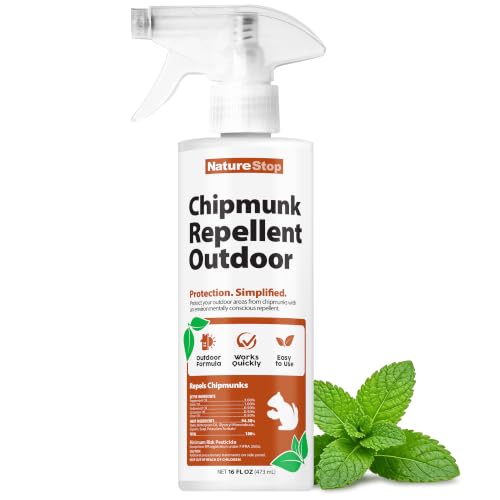
NatureStop
NatureStop Chipmunk Repellent Spray (16 oz) | Deters Chipmunks, Plant-Based Active Ingredients, Pet & Family Friendly, For Gardens & Patios, Outdoor Use
- HELPS DETER CHIPMUNKS FROM OUTDOOR AREAS — Powerful natural formula helps discourage unwanted chipmunk activity.
- PET & FAMILY FRIENDLY FORMULA — NatureStop combines plant-based active ingredients with effective chipmunk deterrence for househol…
- PROTECTS GARDENS, FLOWER BEDS & PATIOS — Apply around flower beds, mulch areas, patios, walkways, and other places where chipmunks…
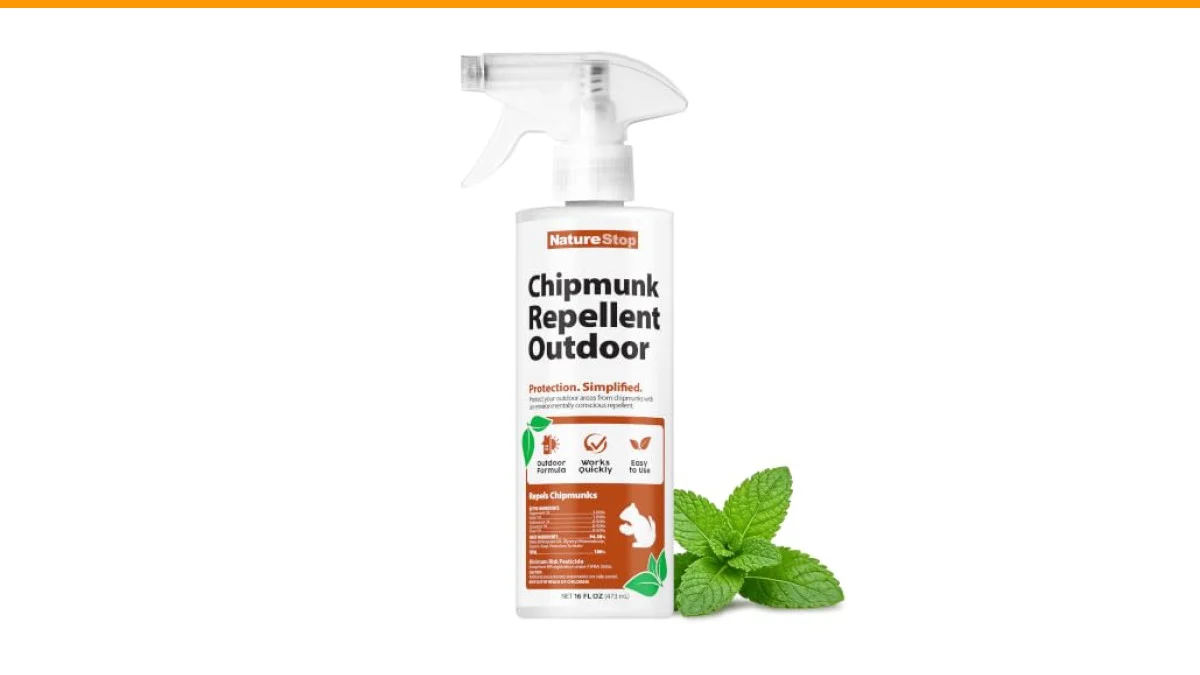
One helpful product for keeping chipmunks at bay is NatureStop Chipmunk Repellent Spray. This natural formula combines plant-based ingredients to deter unwanted chipmunk activity without the harsh chemicals found in many commercial repellents. It’s safe for families and pets when used as directed, making it a great choice for households looking for gentle yet effective pest control.
Understanding Chipmunk Behavior
Okay, but how much does this actually matter? To effectively prevent chipmunk damage, it’s important to understand what drives them. Chipmunks are primarily attracted to gardens for food sources. They enjoy seeds, nuts, fruits, and vegetables, and they’ll dig in search of these treats. In addition to food, they seek out safe nesting areas, often burrowing near structures or in garden beds.
In a typical suburban environment, a single chipmunk can consume and damage a significant portion of your garden. They are known for their rapid reproductive rates; a female can produce two to five litters per year, each containing three to five young. This means that if left unchecked, a small chipmunk problem can quickly escalate.
Physical Barriers Against Chipmunks
What can you do to create a chipmunk-proof environment? Physical barriers are one of the most effective prevention methods. Here are some strategies to consider:
- Fencing: Installing a fence around your garden can deter chipmunks. Use fencing that is at least 2 feet high, and bury the bottom 6-12 inches underground to prevent digging.
- Mulch and Ground Covers: Using coarse mulch or ground cover plants can discourage chipmunks from digging. They prefer softer soils for burrowing.
- Plant Selection: Some plants are less appealing to chipmunks. Consider planting herbs like mint and rosemary, which many rodents avoid.
Physical barriers not only help prevent damage but also create a less inviting environment for chipmunks, making them less likely to settle in your area.
Natural Deterrents for Chipmunks
So, what about natural deterrents? Many homeowners prefer non-toxic methods to keep critters at bay. Here are some effective options:
- Essential Oils: Oils like peppermint and citrus can deter chipmunks. Mix with water and spray around your garden.
- Predator Urine: Using predator urine (like fox or coyote) can create the impression of danger, which may scare chipmunks away.
- Spices: Sprinkling cayenne pepper or garlic powder around your plants can deter chipmunks due to their strong scents.
Combining these natural deterrents with the NatureStop Chipmunk Repellent Spray will enhance your defense against chipmunks. Regular application creates a less inviting environment.
Comparing Chipmunk Damage Prevention Methods
| Method | Effectiveness | Cost | Ease of Use |
|---|---|---|---|
| Fencing | High | Medium | Moderate |
| Natural Deterrents | Moderate to High | Low | Easy |
| Essential Oils | Moderate | Low | Very Easy |
| Chipmunk Repellent Spray | High | Medium | Very Easy |
What attracts chipmunks to my garden?
Chipmunks are drawn to gardens primarily for food. They enjoy seeds, nuts, fruits, and vegetables. Providing these food sources in your garden can attract them.
How do I know if chipmunks are damaging my plants?
Signs of chipmunk damage include uprooted plants, dug-up soil, and chewed vegetables or fruits. If you notice these signs, it’s time to take action.
Can I use traps to control chipmunks?
Yes, live traps can be used to catch chipmunks humanely. However, check your local regulations regarding the trapping and relocation of wild animals.
Are there plants that repel chipmunks?
Yes, certain plants like mint, rosemary, and marigolds can deter chipmunks due to their strong scents, making them less appealing to these rodents.
How often should I reapply chipmunk repellent?
It’s best to reapply chipmunk repellent every few weeks, especially after rain or watering your garden, to maintain an effective barrier.
Final Thoughts on Chipmunk Damage Prevention
- Understand chipmunk habits to effectively deter them.
- Consider physical barriers like fencing to protect your garden.
- Utilize natural deterrents such as essential oils and spices.
- Regularly apply products like NatureStop Chipmunk Repellent Spray for effective prevention.
- Monitor your garden for signs of damage and act quickly.
- Choosing the right plants can naturally deter chipmunks.
- Combining various methods often yields the best results.