Gardening offers a rewarding way to connect with nature, but it often comes with its challenges. Pests and diseases can strike unexpectedly, leaving you feeling helpless. Fortunately, neem oil serves as a versatile solution, providing a natural means to protect your vegetable garden. This organic product is extracted from the seeds of the neem tree and has been used for centuries in various cultures for its insecticidal and fungicidal properties. In this article, you will learn how to effectively incorporate neem oil into your gardening routine, the best practices for application, and the specific benefits it offers.
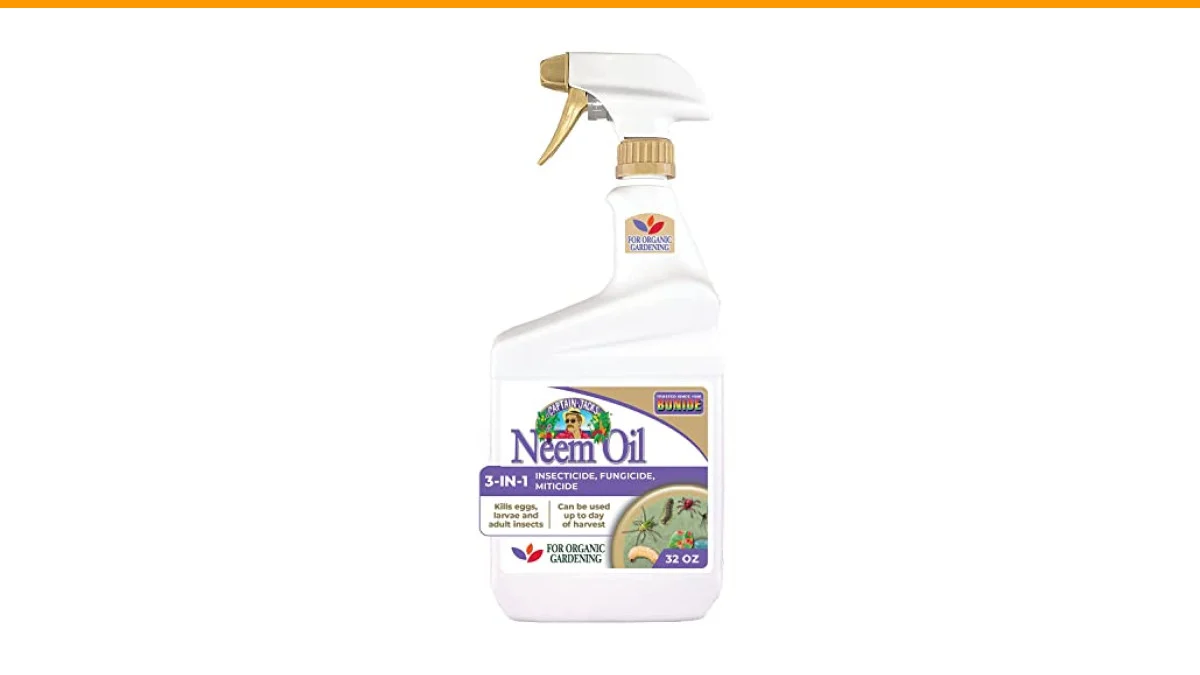
For those looking for a convenient option, consider using Bonide Captain Jack’s Neem Oil. This ready-to-use spray combines three gardening solutions in one — fungicide, insecticide, and miticide. It tackles a range of common garden pests and diseases, making it an excellent choice for both novice and experienced gardeners.
Understanding Neem Oil’s Benefits
Neem oil is celebrated for its multifaceted applications in vegetable gardening. Here are some of its primary benefits:
- Insect Control: Neem oil disrupts the life cycle of various pests. It affects insects at all developmental stages, from eggs to adults.
- Fungal Disease Prevention: The oil acts as a fungicide, combating issues like powdery mildew and rust.
- Organic Certification: Neem oil is approved for use in organic gardening, allowing you to grow produce without synthetic chemicals.
These properties make neem oil a valuable asset for maintaining a healthy vegetable garden.
How to Apply Neem Oil in Your Vegetable Garden
Proper application is crucial for maximizing the effectiveness of neem oil. Here’s a step-by-step guide:
- Choose the Right Concentration: For a ready-to-use option, Bonide Captain Jack’s Neem Oil comes pre-mixed in a convenient spray bottle. If using a concentrated form, mix about 2-4 tablespoons of neem oil per gallon of water.
- Add Soap: Incorporate a few drops of mild liquid soap. This helps emulsify the oil and ensures better coverage on plant surfaces.
- Test First: Before applying neem oil to all your plants, test a small area to check for any adverse reactions.
- Spray in the Evening: Apply neem oil in the evening or on cloudy days to prevent leaf burn. Ensure to cover both the tops and undersides of leaves.
- Frequency of Application: Reapply every 7-14 days, especially after rain, to maintain efficacy.
This approach ensures your vegetable garden benefits from neem oil’s protective qualities without causing harm to your plants.
Effectiveness Against Common Pests
Neem oil is effective against a variety of pests that are often problematic in vegetable gardens. Here are some common pests and how neem oil addresses them:
- Aphids: These small sap-sucking insects can quickly infest crops. Neem oil disrupts their reproductive cycle, reducing their population.
- Spider Mites: These pests thrive in hot, dry conditions. Neem oil suffocates them and disrupts their feeding habits.
- Whiteflies: Similar to aphids, they feed on plant sap. Neem oil interferes with their ability to reproduce.
- Fungus Gnats: The oil can help manage their larvae in the soil, reducing the adult population.
Using neem oil effectively targets these pests, promoting a healthier garden ecosystem.
Comparative Overview of Pest Control Methods
| Method | Effectiveness | Safety for Edibles | Application Frequency |
|---|---|---|---|
| Neem Oil | High | Safe (organic) | Every 7-14 days |
| Chemical Insecticides | Very High | Unsafe | Every few weeks |
| Insecticidal Soap | Moderate | Safe (organic) | Weekly |
| Companion Planting | Variable | Safe | Seasonal |
This table illustrates how neem oil stands out as a safe and effective option among various pest control methods.
1. Can neem oil be used on all vegetables?
Most vegetables respond well to neem oil. However, sensitive plants like peas and certain herbs may require testing on a small area first.
2. How often should I apply neem oil?
Reapply neem oil every 7-14 days for best results, especially after rainfall or heavy watering.
3. Is neem oil safe for beneficial insects?
Neem oil is less harmful to beneficial insects like bees when applied in the evening, minimizing their exposure during active hours.
4. Can I use neem oil on indoor plants?
Yes, neem oil is safe for indoor plants. Ensure good ventilation when applying to avoid inhaling the spray.
5. How can I store neem oil?
Store neem oil in a cool, dark place away from direct sunlight to preserve its effectiveness. Proper storage can extend its shelf life for up to two years.
Final Thoughts on Neem Oil Use
- Neem oil is a versatile, organic solution for controlling pests and diseases.
- Follow proper application techniques to maximize benefits and minimize harm to plants.
- Consider using ready-to-use products like Bonide Captain Jack’s Neem Oil for convenience.
- Monitor your garden regularly for signs of pests or diseases.
- Rotate neem oil use with other methods for a comprehensive pest management strategy.
- Stay informed about your plants’ needs and adapt your care routine accordingly.
Using neem oil can significantly enhance the health and productivity of your vegetable garden, making it a worthwhile addition to your gardening toolkit.