Many gardeners face the challenge of pesky insects or diseases that can hinder plant health. Imagine walking through your garden, only to find aphids clinging to leaves or powdery mildew spreading quietly. It’s a situation that can frustrate even the most experienced horticulturists. Fortunately, making horticultural oil at home offers an effective solution to pest and disease management.
This article will guide you through the process of creating horticultural oil, its uses, and some practical tips for application. By the end, you’ll have the knowledge to create a safe and effective pest control solution that can be used throughout your garden.
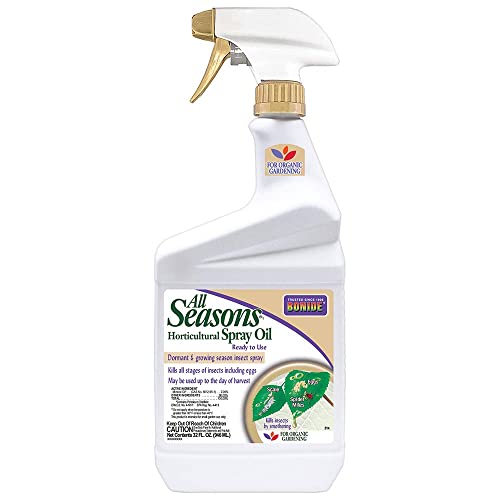
Bonide
Bonide All Seasons Horticultural & Dormant Spray Oil, 32 oz | Ready-to-Use Spray, Disease Prevention, Insect Killer, For Organic Gardening
- Control insects and diseases in your home garden with All Seasons Horticultural and Dormant Spray Oil Concentrate; use year-round…
- Active ingredient refined mineral oil is approved for organic gardening and the production of organic produce and ornamentals; can…
- Apply to a variety of plants in your lawn and home garden for effective disease control; this product can be applied to listed fru…
A well-known product for this purpose is the Bonide All Seasons Horticultural & Dormant Spray Oil. This ready-to-mix solution helps control insects and diseases while being approved for organic gardening. It’s an excellent option if you want a hassle-free approach when you need immediate results.

Understanding Horticultural Oil
Horticultural oil is a refined petroleum product that acts by smothering insects and their eggs, thereby disrupting their life cycles. It’s particularly effective against aphids, spider mites, and whiteflies. When used correctly, it can also help prevent certain fungal diseases.
There are two types of horticultural oils: dormant and summer. Dormant oils are thicker and used when plants are inactive, usually in winter or early spring. Summer oils are lighter and suitable for use during the growing season when plants are actively growing. Knowing the right type to use can significantly affect the health of your plants.
Ingredients Needed to Make Horticultural Oil
Creating horticultural oil at home is straightforward and requires only a few ingredients. Here’s what you’ll need:
- Mineral Oil: 1 cup (refined mineral oil is best)
- Water: 1 cup
- Emulsifier: 1-2 teaspoons (baby shampoo or dish soap works well)
This simple recipe yields about two cups of horticultural oil, enough for several applications depending on your garden size.
Step-by-Step Instructions to Make Horticultural Oil
- Combine the Ingredients: In a mixing bowl or container, combine 1 cup of mineral oil with 1 cup of water.
- Add the Emulsifier: Stir in 1-2 teaspoons of your chosen emulsifier. This helps the oil mix with water, ensuring an even application.
- Mix Thoroughly: Use a whisk or a blender to mix the ingredients until well combined. The solution should have a milky appearance.
- Store Properly: Transfer the mixture into a spray bottle for easy application. Store it in a cool, dry place, and shake well before each use.
Application Tips for Horticultural Oil
Applying horticultural oil effectively requires some care. Follow these guidelines for the best results:
- Timing: Apply during early morning or late afternoon to avoid direct sunlight, which can cause leaf burn.
- Test First: Always perform a patch test on a small area of the plant to check for sensitivity.
- Coverage: Thoroughly cover all plant surfaces, especially the undersides of leaves, where pests often hide.
- Frequency: Reapply every 7-14 days if necessary, particularly after rainfall, which can wash away the oil.
For a clearer understanding, here’s a comparison of various options for making horticultural oil:
| Method | Ingredients | Best Use |
|---|---|---|
| Homemade with Mineral Oil | Mineral oil, water, emulsifier | General pest control |
| Commercial Horticultural Oil | Refined oil blends | Convenience and efficacy |
| Baby Shampoo Mix | Baby shampoo, water, oil | Gentle on plants |
What is horticultural oil made of?
Horticultural oil is primarily made of refined mineral oil mixed with an emulsifier, which helps it blend with water for effective application.
Can I use vegetable oil instead of mineral oil?
While vegetable oil can be used, it’s less effective and may lead to plant damage due to its heavier consistency and higher likelihood of rancidity.
How often should I apply horticultural oil?
Apply horticultural oil every 7-14 days, especially after rainfall or if you notice renewed pest activity.
Is horticultural oil safe for all plants?
Most plants tolerate horticultural oil well, but it’s wise to test a small area first, particularly for sensitive species.
Can I mix horticultural oil with other pesticides?
Avoid mixing horticultural oil with other pesticides unless specifically directed. Mixing can reduce effectiveness or harm plants.
Final Thoughts on Horticultural Oil
- Horticultural oil is an effective method for pest control.
- Making it at home is simple and cost-effective.
- Use refined mineral oil for best results.
- Always test a small area before full application.
- Reapply as necessary, especially after rain.
- Consider ready-made options like Bonide for convenience.
- Stay informed about plant sensitivity to avoid damage.