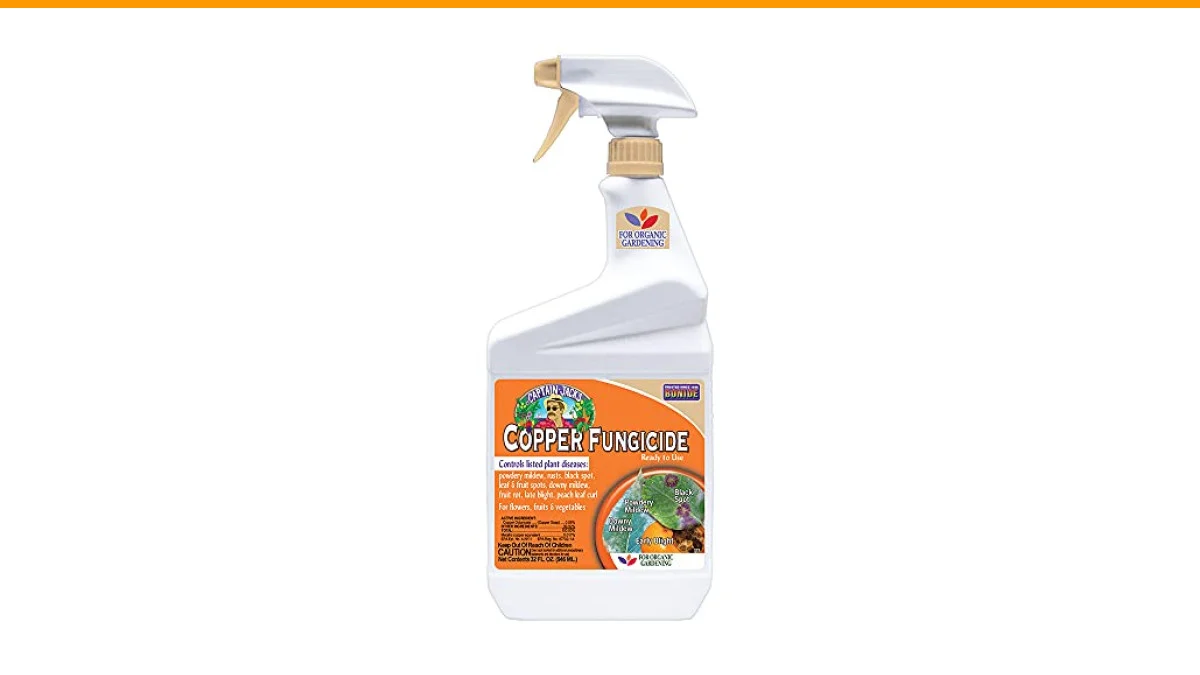
Gardening brings a sense of tranquility, but nothing disrupts that peace quite like discovering your plants have been invaded by pests. You might notice holes in leaves, wilting stems, or other signs that something is amiss. Recognizing these pests early can protect your plants and allow you to take appropriate action before the problem escalates. This article will guide you through identifying common garden pests, their signs, and effective control measures.
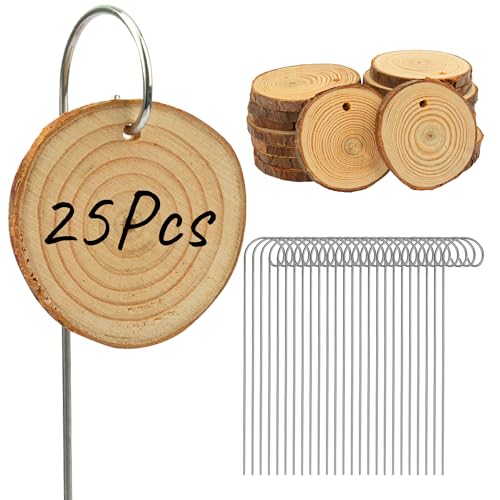
As you learn to recognize these unwanted visitors, consider using Temlum Wooden Plant Labels to keep track of your plants and any pest issues. Labeling can help you monitor which plants are affected over time, aiding in your pest management efforts.

Signs of Common Garden Pests
Identifying pests can be straightforward if you know the signs to look for. Here are some common indicators:
- Chewed Leaves: Holes or ragged edges on leaves often indicate chewing insects such as caterpillars or beetles.
- Discoloration: Yellowing or browning leaves can signal pest infestations or nutrient deficiencies caused by root damage.
- Sticky Residue: A sticky film on leaves is a sign of aphids or spider mites, which excrete honeydew.
- Webbing: Spider mites create fine webs, usually found on the underside of leaves.
- Droppings: Small dark specks on leaves or the ground can indicate pests like caterpillars or beetles.
Common Types of Garden Pests
Understanding the types of pests you might encounter is crucial for effective management. Here are some of the most common garden pests:
1. Aphids
Aphids are small, soft-bodied insects that suck sap from plants. They can be green, black, or brown and often cluster on the undersides of leaves. Control methods include introducing ladybugs or using insecticidal soap.
2. Spider Mites
These tiny arachnids thrive in hot, dry conditions. They cause stippling on leaves and produce webbing. Regularly misting plants can help keep spider mites at bay.
3. Caterpillars
Caterpillars can cause extensive damage by chewing through leaves. Handpicking them or using Bacillus thuringiensis (Bt) can effectively manage their populations.
4. Whiteflies
Whiteflies appear as small, white flying insects. They suck sap and can spread diseases. Yellow sticky traps can help catch them, and insecticidal soap is effective against infestations.
Methods for Identifying Pests
Here are effective methods to identify common garden pests:
- Regular Inspections: Inspect your plants weekly. Look under leaves and at the soil surface for signs of pests.
- Using a Magnifying Glass: A magnifying glass can help you see small pests that are otherwise hard to detect.
- Online Resources: Utilize online guides, such as this identification guide, to compare your findings.
- Photographs: Take photos of any pests you find. Comparing them to online resources can confirm their identity.
Pest Control Options
Once you identify the pests, you need a plan to manage them effectively. Here’s a comparison of different pest control methods:
| Control Method | Description | Effectiveness | Considerations |
|---|---|---|---|
| Hand-Picking | Removing pests by hand, such as caterpillars or beetles. | Highly effective for small infestations. | Time-consuming, but chemical-free. |
| Insecticidal Soap | Spraying plants with soap solutions to suffocate pests. | Effective on soft-bodied insects like aphids. | Must cover pests thoroughly; can harm beneficial insects. |
| Biological Control | Introducing natural predators, such as ladybugs for aphids. | Long-term solution for pest control. | Requires establishing a balanced ecosystem. |
| Chemical Pesticides | Using commercially available pesticides. | Fast-acting but can have unintended effects. | Use as a last resort; follow instructions carefully. |
Frequently Asked Questions
What are the most common garden pests?
The most common garden pests include aphids, spider mites, caterpillars, whiteflies, and slugs. Each has unique signs and control measures.
How can I prevent pests in my garden?
Regular maintenance, such as removing debris, rotating crops, and using companion planting, can help deter pests.
How do I identify a pest?
Inspect plants for signs of damage, look for pests under leaves, and compare your findings to online resources for confirmation.
Are there natural pest control methods?
Yes, methods like introducing beneficial insects, using neem oil, and applying insecticidal soap are effective natural controls.
When should I take action against pests?
Take action when you notice significant damage or a large number of pests. Early intervention is key to preventing widespread infestations.
Final Thoughts
- Regularly inspect your plants for signs of pests.
- Learn to identify common pests and their damage.
- Use a combination of control methods for best results.
- Introduce beneficial insects to support pest management.
- Document your findings with photographs for future reference.
- Maintain a healthy garden ecosystem to reduce pest populations.
- Consider labeling your plants to track pest issues effectively.