

How to Protect Vegetables from Frost
Contents
As the chill of autumn settles in, gardeners face the looming threat of frost. Those delicate green plants, nurtured through the growing season, can succumb to frost damage overnight. Imagine waking up to find your prized tomatoes or tender greens wilted and brown, an all-too-common sight for many gardeners. Understanding how to protect vegetables from frost is essential for preserving your harvest and maintaining healthy plants.
This article provides practical strategies to safeguard your vegetables against frost, including both preventive measures and immediate actions to take when frost threatens. You’ll discover how to prepare your garden and which techniques, materials, and products can help you keep your plants safe.
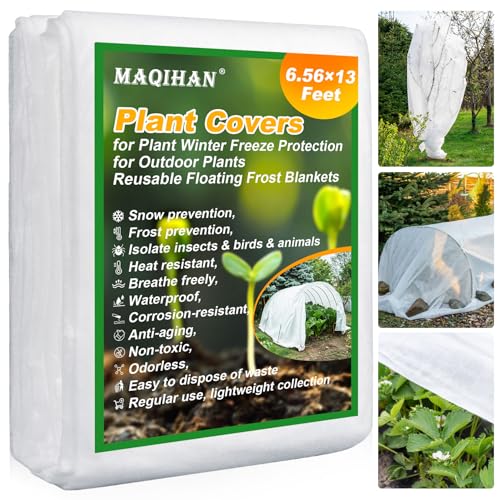
MAQIHAN
MAQIHAN Plant Covers Freeze Protection - Frost Cloth & Floating Row Cover
- Product Features: Our plant covers are ideal for protecting all plant. Made from premium 1 oz/sq non-woven fabric, their durabilit…
- Versatility: These covers serve triple duty as frost protection, snow protection, animal barriers, insect barriers, and sun shield…
- Usability: Users can cut the frost blanket according to the size of the plant, and then easily cover the plant blanket directly on…
For those looking for a reliable solution, consider the MAQIHAN Plant Covers Freeze Protection. These frost cloths are made from durable, breathable fabric that not only insulates against frost but also allows sunlight to nourish your plants. Their versatility makes them an excellent choice for various gardening needs.

Understanding Frost and Its Effects on Plants
Frost occurs when temperatures drop below 32°F (0°C), leading to ice crystals forming on the surfaces of plants. This can happen even when the air temperature is slightly above freezing due to radiational cooling at night. Frost can cause cellular damage, leading to brown and mushy plant tissues, ultimately resulting in plant death if not addressed.
Different plants have varying levels of frost tolerance. Hardier vegetables like kale and Brussels sprouts can withstand light frosts, while tender plants like cucumbers and peppers can suffer severe damage from a single frost event. It’s crucial to assess the frost tolerance of your specific crops when planning protective measures.
Effective Strategies for Protecting Your Vegetables
Here are several proven methods to protect your vegetables from frost:
- Covering Plants: Using frost cloths or blankets is one of the simplest and most effective ways to protect your plants. These covers trap heat from the soil, creating a microclimate that can stay several degrees warmer than the surrounding air.
- Row Covers: Floating row covers made from lightweight fabric allow sunlight to penetrate while providing insulation. They can be draped directly over plants or supported with hoops. This method is versatile and allows for easy access to your plants.
- Mulching: Applying a thick layer of mulch around your plants can insulate the soil and help maintain stable temperatures. Organic materials like straw or wood chips work well for this purpose.
- Watering: Watering your plants before a frost can help. Moist soil retains heat better than dry soil, creating a warmer environment for your plants. Ensure you water early in the day so excess moisture has time to evaporate before temperatures drop.
Comparative Table of Protection Methods
| Method | Effectiveness | Ease of Use | Cost |
|---|---|---|---|
| Frost Cloths | High | Easy | Moderate |
| Row Covers | High | Moderate | Moderate |
| Mulching | Moderate | Easy | Low |
| Watering | Moderate | Easy | Low |
Frequently Asked Questions
What temperature is considered frost?
Frost typically occurs when temperatures fall below 32°F (0°C). However, frost can form at slightly higher temperatures under specific conditions, such as clear skies and calm winds.
How can I tell if my plants are frost damaged?
Signs of frost damage include brown, wilted, or mushy leaves and stems. If the plant appears limp or discolored, it’s likely been affected by frost.
Can I save frost-damaged plants?
Sometimes, frost-damaged plants can recover if the damage isn’t severe. Trim off any dead or damaged foliage and provide adequate water and nutrients to encourage regrowth.
How often should I check for frost warnings?
During the frost season, check local weather forecasts regularly, especially overnight temperatures. Many weather apps can provide alerts for impending frost.
Is using plastic sheets effective for frost protection?
Plastic sheets can provide frost protection, but they can also trap moisture and heat, potentially leading to overheating during the day. It’s better to use breathable materials like frost cloths.
Final Thoughts on Frost Protection
- Know the frost tolerance of your vegetables.
- Use frost cloths like the MAQIHAN Plant Covers for effective protection.
- Cover plants before sunset to retain warmth.
- Mulch around plants to maintain stable soil temperatures.
- Regularly monitor weather forecasts for frost warnings.
- Water plants prior to frost events for added protection.
- Consider using row covers for a versatile, protective solution.
For more insights on gardening techniques and tools, check out our articles on best results from a rotary mower and greenhouse for growing vegetables.


