Imagine tending to your flourishing vegetable garden, only to find the leaves of your prized plants riddled with tiny holes. This is a common scenario for gardeners faced with flea beetles. These small pests, often no larger than a pinhead, can cause significant damage to various vegetables like eggplant, peppers, and radishes. Understanding how to manage and mitigate their impact is crucial for maintaining a healthy garden.
This article will equip you with practical strategies for dealing with flea beetles on vegetables. From identification to control measures and prevention techniques, you’ll leave with a comprehensive toolkit to protect your plants.

VivaGrow
VivaTrap VT-103 Cucumber Beetle Trap & Lure (2 Pack)
- Multi-Pheromone lure attracts common Male AND Female Cucumber Beetle Species: Striped cucumber beetle (Acalymma vittatum) Western…
- Pheromone-based unisex attractant is specific to Male AND Female Cucumber Beetles - will not attract other insects
- Includes 2x extra large wet glue traps, 2x lures and 2x twist ties for hanging (2 complete traps)
One effective tool for managing pest populations, including cucumber beetles which can be confused with flea beetles, is the VivaTrap VT-103 Cucumber Beetle Trap & Lure. This product uses a multi-pheromone lure to attract both male and female cucumber beetles, helping to reduce their numbers around your vegetables.

Identifying Flea Beetles
How can you tell if your plants are under attack from flea beetles? These pests are typically small, shiny, and can be black, brown, or metallic in color. The most noticeable sign of their presence is the distinct shot-hole damage they leave on the leaves of plants. Flea beetles often jump when disturbed, which is a key identifying feature.
Common species include the striped flea beetle and the spotted flea beetle. They thrive in warm climates and are most active during spring and early summer. If you notice widespread damage on your vegetables, it’s likely these pests are at fault.
Effective Control Measures
Okay, but how much damage can they really do? Flea beetles can significantly stunt the growth of young plants, leading to lower yields. Here are several control methods:
- Row Covers: Using floating row covers can physically block flea beetles from reaching your plants. Ensure the covers are secured at the edges to prevent any pests from sneaking underneath.
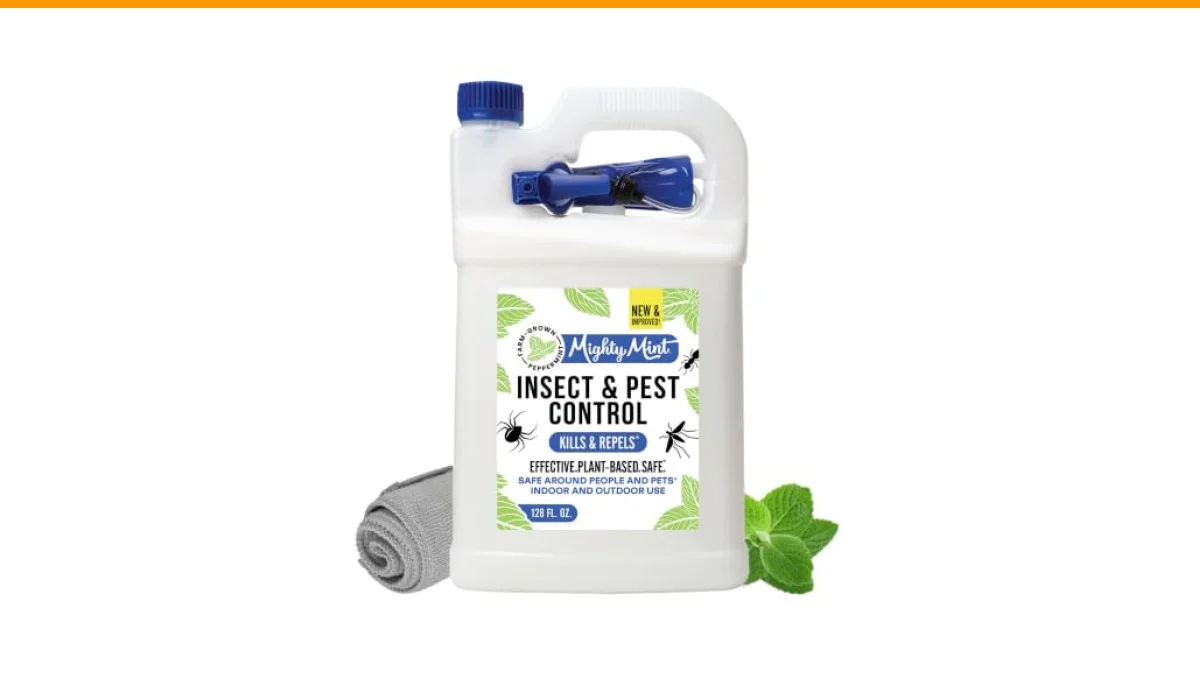
- Neem Oil: Spraying neem oil can deter flea beetles. Mix according to package instructions and apply every 7-14 days for best results.
- Insecticidal Soap: This is effective against adult flea beetles. Spray directly onto the pests, making sure to cover the undersides of leaves.
- Handpicking: For small infestations, handpicking can be effective. Just be sure to check the undersides of leaves, where flea beetles often hide.
Each method has its strengths and weaknesses, but combining strategies often yields the best results.
Prevention Strategies
<pHow can you prevent flea beetles from becoming a problem in the first place? Implementing preventative measures is often easier than dealing with an infestation. Consider these strategies:
- Crop Rotation: Rotating your crops annually can disrupt the life cycle of flea beetles. Avoid planting the same family of vegetables in the same spot year after year.
- Healthy Soil: Maintaining healthy soil promotes robust plants that can better withstand pest pressure. Regularly amend your soil with organic matter.
- Companion Planting: Certain plants, like marigolds, can repel flea beetles. Incorporating these around your vegetables can provide a natural barrier.
- Timing: Planting your vegetables later in the season can help avoid peak flea beetle activity.
Implementing these preventative measures can save you time and effort in the long run.
| Control Method | Effectiveness | Cost | Ease of Use |
|---|---|---|---|
| Row Covers | High | Moderate | Easy |
| Neem Oil | Moderate | Low | Moderate |
| Insecticidal Soap | High | Low | Easy |
| Handpicking | Low | Free | Easy |
Frequently Asked Questions
What vegetables are most affected by flea beetles?
Flea beetles commonly target seedlings of cruciferous vegetables like cabbage, broccoli, and radishes, but they can also affect peppers and eggplants.
How can I tell if my plants are suffering from flea beetle damage?
Look for small holes or shot holes in the leaves. This damage is one of the most obvious signs of flea beetle activity.
Are flea beetles harmful to humans or pets?
No, flea beetles do not pose a threat to humans or pets. Their impact is primarily on plants.
Can I use chemical pesticides against flea beetles?
Yes, chemical pesticides can be effective, but they can also harm beneficial insects. If you choose this route, apply them with caution and follow the manufacturer’s instructions.
What are some natural remedies for flea beetles?
Besides neem oil and insecticidal soap, diatomaceous earth can deter flea beetles when sprinkled around plants. It’s a natural option that helps disrupt their exoskeleton.
Quick Action Points
- Identify flea beetles by their jumping behavior and shot-hole damage.
- Use row covers early in the season to protect young plants.
- Apply neem oil or insecticidal soap as needed.
- Rotate crops yearly to disrupt flea beetle cycles.
- Incorporate companion plants like marigolds for added protection.
- Consider traps like the VivaTrap VT-103 for cucumber beetles.
- Stay vigilant and check plants regularly for signs of infestation.
With these strategies in your arsenal, you can effectively manage and control flea beetles on your vegetables. Protect your garden and enjoy a bountiful harvest!