

Companion Planting Chart for Vegetables: A Practical Guide
Contents
Imagine walking through your vegetable garden, vibrant plants surrounding you, each thriving in harmony. Companion planting can turn that vision into reality. This gardening technique pairs specific plants together to enhance growth, deter pests, and improve yields. Whether you’re a novice or seasoned gardener, understanding which plants work well together can significantly impact your garden’s success.
In this article, you’ll discover a comprehensive companion planting chart for vegetables. You’ll learn about beneficial plant pairings, the reasons behind these choices, and practical tips to implement them in your garden. If you’re seeking additional insights, consider checking out this companion planting guide for more detailed information.

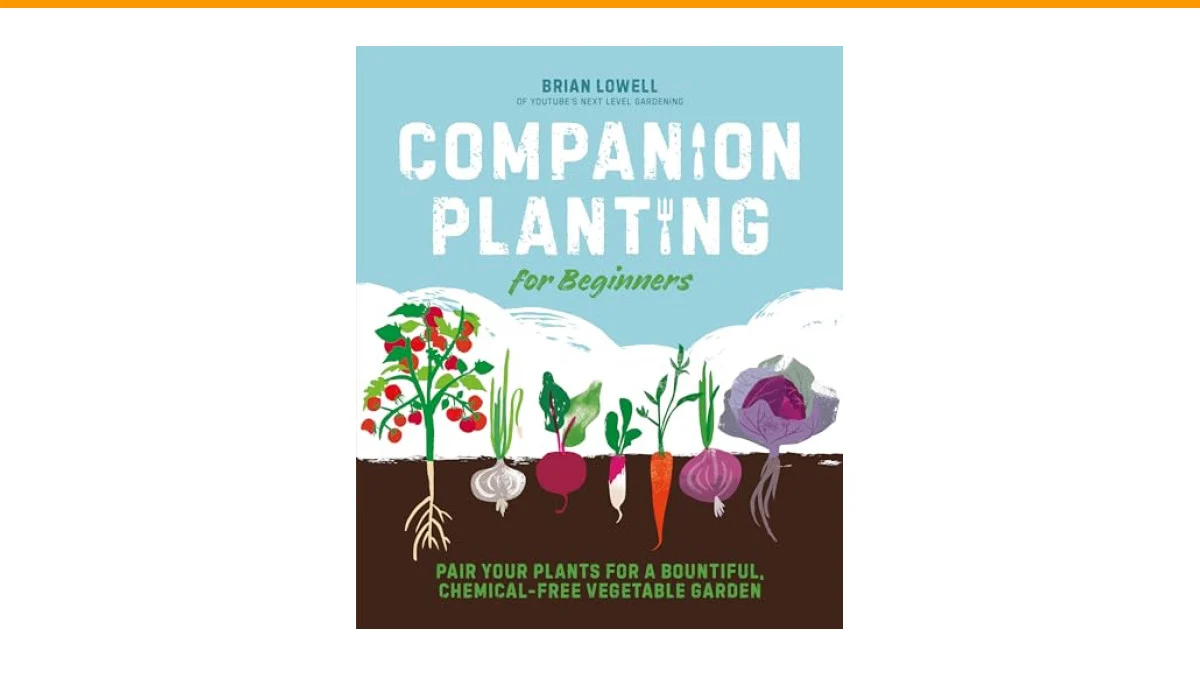
For those starting their journey, Companion Planting for Beginners: Pair Your Plants for a Bountiful, Chemical-Free Vegetable Garden by DK is a great resource. It provides clear instructions on how to strategically pair your plants for maximum benefit, ensuring your garden remains healthy and productive.
Understanding Companion Planting
Companion planting is not just about putting plants together. It’s about creating a balanced ecosystem. Certain plants can provide shade, attract beneficial insects, or even repel harmful pests. For instance, marigolds are known to deter nematodes, while basil enhances the flavor of tomatoes when planted nearby.
Here are some key benefits of companion planting:
- Pest Control: Certain plants repel pests that are harmful to your vegetables.
- Space Maximization: Taller plants can provide shade for shorter ones.
- Soil Improvement: Legumes, like beans, fix nitrogen in the soil, benefiting neighboring plants.
- Increased Yield: Enhanced growth conditions lead to better harvests.
Companion Planting Chart for Vegetables
This chart outlines common vegetable pairings, including their benefits.
| Vegetable | Companion Plant | Benefits |
|---|---|---|
| Tomato | Basil | Improves flavor and repels pests |
| Carrot | Onion | Deters carrot flies |
| Cabbage | Mint | Repels cabbage moths |
| Beans | Corn | Corn provides support and beans fix nitrogen |
| Squash | Marigold | Repels squash bugs |
How to Implement Companion Planting
Implementing companion planting requires planning. Here are steps to get started:
- Research the plants you want to grow, focusing on their compatibility.
- Plan your garden layout, positioning plants based on their needs.
- Monitor plant health regularly to ensure they thrive together.
- Adjust as needed based on growth patterns and any pest issues.
For example, if you’re planting tomatoes, position them near basil and avoid planting them close to potatoes, which can attract similar pests.
Common Questions About Companion Planting
What is the main purpose of companion planting?
The primary purpose of companion planting is to create a more productive and sustainable garden. It helps in pest control, maximizes space, and can improve the growth rates of plants.
Can all vegetables be planted together?
No, not all vegetables have compatible growing conditions or pest issues. It’s essential to research which combinations work best to avoid negative interactions.
How do I know which plants are compatible?
Utilize companion planting charts like the one provided above. Additionally, gardening books and resources can offer insights into effective pairings.
Is companion planting effective in small spaces?
Absolutely! Companion planting is especially beneficial in small gardens, allowing you to maximize yield while minimizing pest issues.
Where can I find more information about companion planting?
Books, gardening websites, and local gardening clubs can provide valuable insights. The resource Companion Planting Chart for Vegetables is another excellent source of information.
Takeaways for Successful Companion Planting
- Research plant compatibility to avoid poor pairings.
- Utilize the companion planting chart to guide your garden layout.
- Monitor your garden regularly for signs of pest issues.
- Consider sunlight and water needs when planning placements.
- Experiment with different combinations to find what works best.
- Consult gardening resources for ongoing tips and strategies.
- Share your findings with fellow gardeners for community learning.


