Understanding Fertilization in Vegetable Gardening
Imagine spending weeks nurturing your vegetable garden, only to find that the plants aren’t producing as expected. The soil might be the culprit. Proper fertilization is a critical aspect of successful gardening, yet many gardeners are unsure about how often to fertilize vegetable gardens. This article provides a comprehensive guide on fertilization frequency, types of fertilizers, and specific recommendations based on different vegetable types and growing conditions.
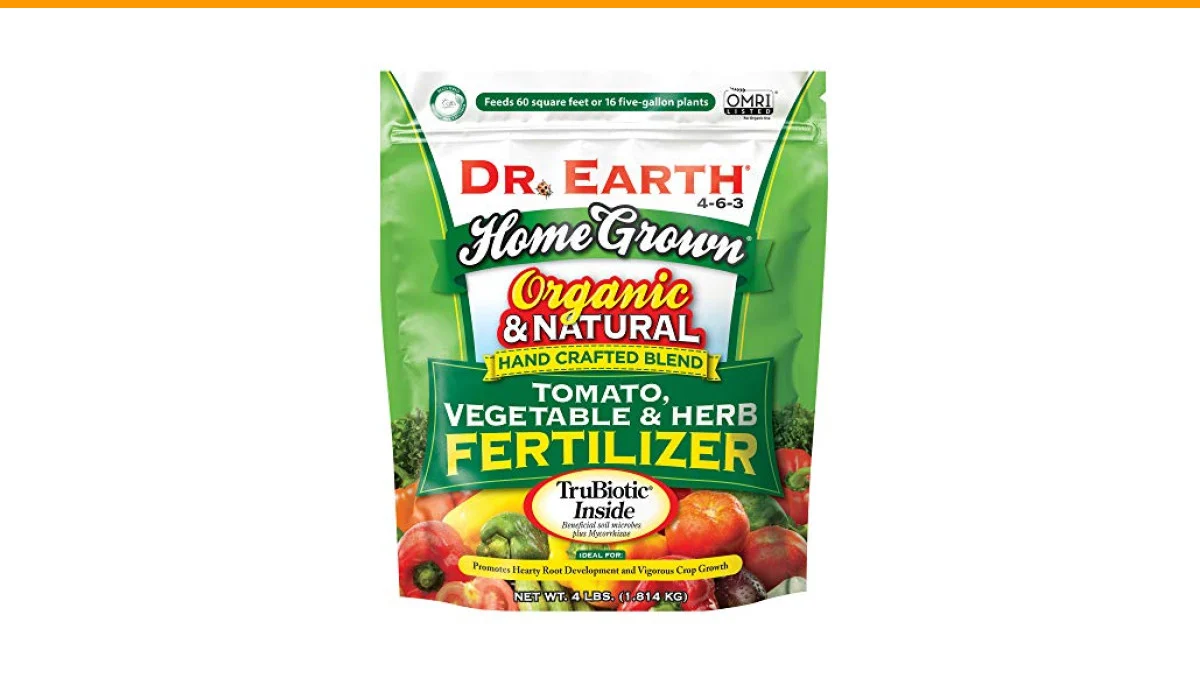
After reading, you’ll know how to tailor your fertilization schedule to the specific needs of your garden, ensuring your plants thrive and produce an abundant harvest. You’ll also learn about a product like Dr. Earth Organic 5 Tomato, Vegetable & Herb Fertilizer, which offers a well-rounded nutrient profile for your plants.

Dr. Earth
Dr. Earth Organic 5 Tomato, Vegetable & Herb Fertilizer Poly Bag
- For more nutritious and tasty vegetables
- Optimum levels of primary plant nutrients
- Contains no GMOs, chicken manure or sewage sludge
When to Fertilize Your Vegetable Garden
Timing is crucial when it comes to fertilizing your vegetable garden. Generally, you should consider fertilizing:
- Before Planting: Incorporate a balanced fertilizer into the soil a few weeks before planting. This helps set up nutrient availability for seedlings.
- During Early Growth: For most vegetables, a second application of fertilizer is ideal when seedlings are about 4–6 inches tall.
- Mid-Season: Depending on the crop and its growth stage, a mid-season boost may be necessary, especially for heavy feeders like tomatoes and peppers.
Soil testing can guide you in determining the best times for fertilizing, as it reveals nutrient levels. If your soil lacks certain nutrients, addressing those deficiencies at the right times will promote healthy growth.
Types of Fertilizers and Their Frequency
The type of fertilizer significantly influences how often you should apply it. Here’s a breakdown:
| Fertilizer Type | Application Frequency | Notes |
|---|---|---|
| Granular Fertilizer | Every 4-6 weeks | Slow-release; feeds plants over time. |
| Liquid Fertilizer | Every 1-2 weeks | Quick absorption; ideal for fast-growing plants. |
| Organic Fertilizer | Every 4-8 weeks | Less concentrated; sustainable option. |
| Compost | Every 6-12 months | Improves soil health; nutrient-dense. |
Granular fertilizers, such as the Dr. Earth Organic 5, provide a steady nutrient release, making them suitable for a longer interval between applications. Liquid fertilizers are great for quick fixes and immediate nutrient availability, especially during the growing season.
Considerations Based on Crop Type
<pDifferent vegetables have varying nutrient needs. Here are some guidelines:
- Leafy Greens: Fertilize every 4–6 weeks with a balanced fertilizer to promote lush growth.
- Root Vegetables: A light fertilization every 6 weeks is often sufficient, as excess nitrogen can lead to poor root quality.
- Fruiting Vegetables: Plants like tomatoes and peppers benefit from a higher phosphorus concentration. Fertilize every 4 weeks during their active growth phase.
Keep in mind that environmental factors such as soil quality, rainfall, and temperature can affect fertilization frequency. Always adjust based on your specific conditions.
Frequently Asked Questions
How do I know if my plants need fertilizer?
Signs of nutrient deficiency include yellowing leaves, stunted growth, or poor fruit production. Conduct a soil test for precise recommendations.
Can I over-fertilize my vegetable garden?
Yes, over-fertilization can harm plants. Symptoms include leaf burn and reduced fruit yield. Stick to recommended application rates and schedules.
What is the best time of year to fertilize?
Apply fertilizer in spring and early summer when plants are actively growing. Avoid fertilizing in late fall or winter when plants are dormant.
Is organic fertilizer better than synthetic?
Organic fertilizers often improve soil health and structure. They release nutrients slowly, which can be beneficial for long-term growth. However, synthetic fertilizers can provide quick results.
Should I fertilize my vegetable garden during dry spells?
Fertilizing during dry conditions can stress plants. Water the garden well before and after applying fertilizer to ensure nutrient absorption.
Take Action for a Thriving Garden
- Test your soil to understand its nutrient profile.
- Choose the right type of fertilizer based on your plants’ needs.
- Follow a fertilization schedule tailored to your vegetable types.
- Adjust your approach based on environmental conditions.
- Consider organic options like Dr. Earth Organic 5 for sustainable gardening.
- Monitor plant health regularly to identify any deficiencies.
- Stay informed about best practices in vegetable gardening for optimal results.