Imagine stepping into your vegetable garden, greeted by vibrant plants thriving in rich, healthy soil. You admire the neat rows of vegetables, undisturbed by weeds and moisture-locked in the ground. This idyllic scene is possible with the right mulch. Mulch not only enhances the aesthetic appeal of your garden but also plays a vital role in maintaining soil health, reducing weeds, and conserving moisture.
In this guide, you’ll learn about the best mulch for vegetable gardens, how to choose the right type for your specific needs, and practical tips for application. From organic options to synthetic materials, we’ll explore the advantages and disadvantages of each, helping you make informed decisions that support your garden’s success.

BRUT WORM FARMS
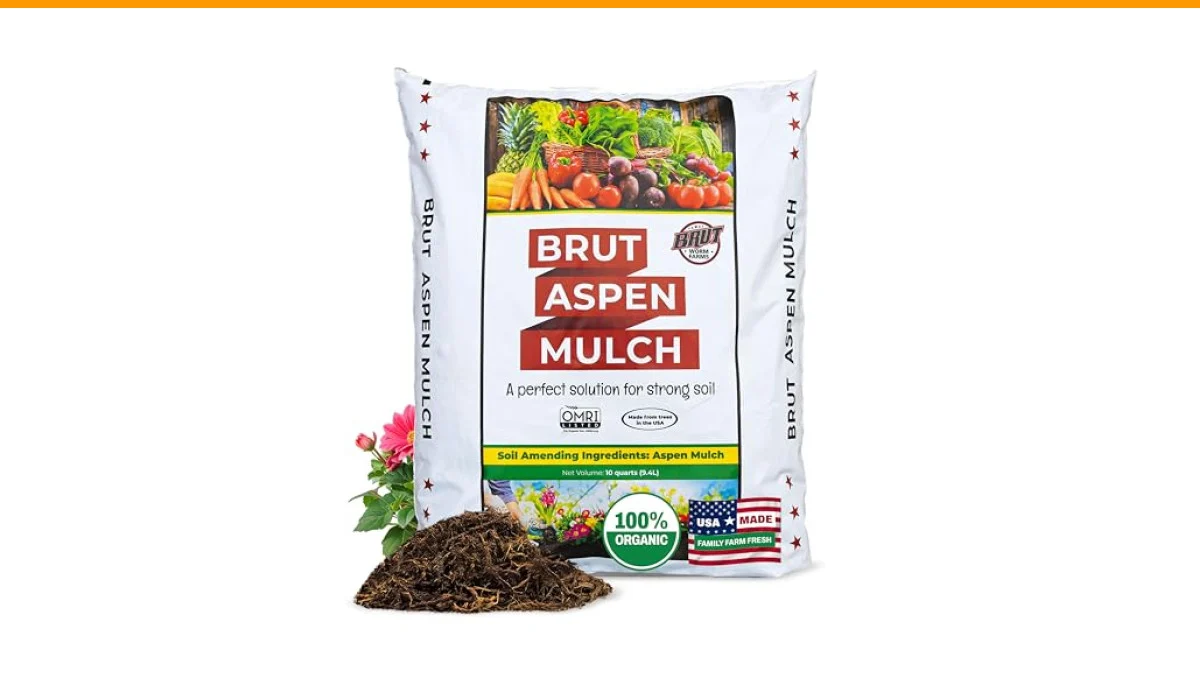
Brut Organic Aspen Mulch 10 QT – Natural Moisture Retainer & Root Protector – Odor-Free, Nutrient-Rich Bark Mulch for Landscaping, Garden Beds & Potted Plants
- NATURAL GARDEN COVER: Creates a clean, polished garden surface while helping minimize weed growth naturally. This organic mulch al…
- HIGH CARBON ORGANIC MULCH: Formulated with 30% natural carbon to foster beneficial soil microbes and promote overall soil vitality…
- MOISTURE-RETAINING & WATER-EFFICIENT: Naturally helps retain soil moisture, reducing the frequency of watering and supporting heal…
For those seeking a high-quality organic option, consider Brut Organic Aspen Mulch. This product is not only odor-free and lightweight but also helps retain moisture while fostering beneficial soil microbes. It’s an excellent choice for both landscaping and vegetable gardens, promoting healthy growth and reducing weed proliferation.
Understanding Mulch: What Is It and Why Use It?
Mulch is a layer of material applied to the surface of soil. It can be organic, such as shredded bark, straw, or grass clippings, or inorganic, like plastic or rubber. The primary purposes of mulch include:
- Weed suppression: A thick layer of mulch can prevent weed seeds from germinating, reducing competition for nutrients and water.
- Moisture retention: Mulch reduces evaporation, keeping soil moist for longer periods.
- Soil temperature regulation: Mulch acts as an insulator, keeping soil cooler in hot weather and warmer in cold.
- Soil improvement: Organic mulches decompose over time, enriching the soil with nutrients.
Types of Mulch for Vegetable Gardens
Choosing the right mulch involves understanding the various types available and their specific benefits. Below are some common options:
1. Organic Mulches
Organic mulches improve soil quality as they break down. Here are a few popular organic mulches:
- Bark Mulch: A long-lasting option that suppresses weeds and retains moisture.
- Straw: A lightweight mulch that is excellent for vegetable gardens, it prevents weeds and adds organic matter as it decomposes.
- Grass Clippings: An easily accessible option, but be cautious of applying too thick a layer to avoid matting.
- Wood Chips: Great for insulating soil, but they can rob nitrogen as they decompose, so supplement with fertilizers.
2. Inorganic Mulches
Inorganic mulches typically do not improve soil quality but offer long-lasting weed control. Here are a couple of choices:
- Plastic Mulch: Effective at warming soil and preventing weeds, but it doesn’t add nutrients to the soil.
- Rubber Mulch: Durable and effective for weed control, but it can retain heat, potentially harming plants in hot climates.
How to Apply Mulch Effectively
- Prepare the Soil: Clear weeds and debris from the area. Loosen the soil for better moisture retention.
- Choose the Right Depth: Apply organic mulch in a 2-4 inch layer. For inorganic mulch, 1-2 inches is sufficient.
- Leave Space Around Plants: Avoid piling mulch directly against plant stems to prevent rot.
- Water Thoroughly: Water the garden after applying mulch to help it settle and enhance moisture retention.
- Monitor Regularly: Check for weed growth and replenish mulch as needed to maintain coverage.
Comparative Analysis of Mulch Options
| Mulch Type | Benefits | Drawbacks | Best Uses |
|---|---|---|---|
| Organic Bark Mulch | Long-lasting, weed control, improves soil | Can be expensive | Flower beds, shrubs |
| Straw | Lightweight, easy to apply, enriches soil | May blow away | Vegetable gardens |
| Wood Chips | Good insulation, suppresses weeds | Can deplete nitrogen | Paths, perennial beds |
| Plastic Mulch | Effective for warmth and weed control | Non-biodegradable | Row crops |
| Rubber Mulch | Durable, effective for long-term use | Retains heat | Play areas, landscape beds |
Common Questions About Mulch for Vegetable Gardens
What is the best mulch for vegetable gardens?
The best mulch typically includes organic materials like straw, shredded leaves, or bark, as they improve soil health while suppressing weeds.
How thick should mulch be for vegetable gardens?
Apply mulch in a layer of 2-4 inches for optimal moisture retention and weed suppression.
Can I use grass clippings as mulch?
Yes, grass clippings can be used effectively, but apply them in thin layers to prevent matting and odor.
How often should I replace mulch?
Organic mulch should be replenished at least once a year, especially if it decomposes significantly or gets blown away.
Is plastic mulch safe for vegetable gardens?
Yes, plastic mulch is safe and effective for controlling weeds and warming soil, but it does not enrich the soil.
Final Thoughts on Mulching Your Vegetable Garden
- Choose organic mulch for soil health improvement.
- Apply a layer of 2-4 inches for effectiveness.
- Leave space around plant bases to avoid rot.
- Regularly check for weeds and replenish mulch as needed.
- Consider local climate and specific plant needs when selecting mulch.
- Experiment with different types to find what works best in your garden.
- Stay informed about the benefits and drawbacks of each mulch type.