

How Much Space Do You Need for a Vegetable Garden?
Contents
Starting a vegetable garden can be an exciting venture, but many first-time gardeners struggle with the practicalities of space. How do you determine the right amount of land to cultivate your favorite veggies? The answer can vary based on your gardening goals, the types of vegetables you want to grow, and the methods you plan to use. In this article, you’ll learn not just how much space you need for a vegetable garden but also how to optimize that space for a fruitful harvest.
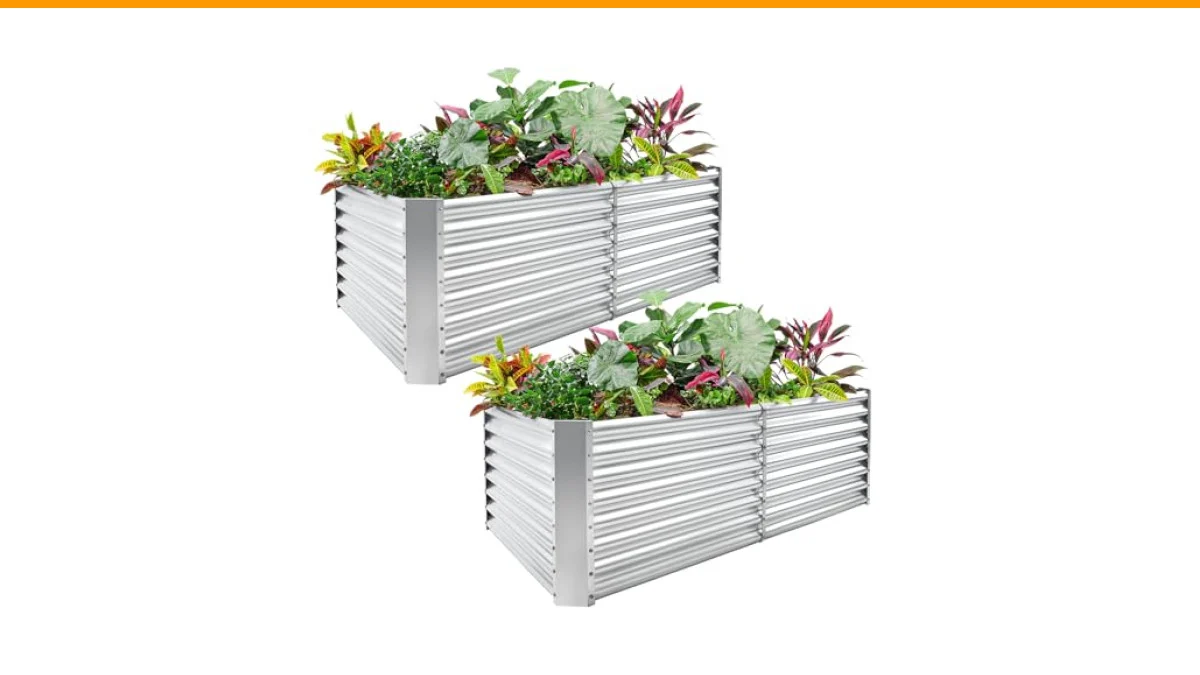
As you consider your options, you might find that a raised garden bed could be a perfect fit for your needs. For example, the Land Guard 2 Pack 6×3×2 ft Galvanized Metal Raised Garden Bed offers a durable and spacious planting area, measuring 6 feet long, 3 feet wide, and 2 feet deep. This design allows for ample root growth, making it suitable for a variety of vegetables, including deeper-rooted plants.

Land Guard
Land Guard 2 Pack 6×3×2 ft Galvanized Metal Raised Garden Bed, 2FT Deep Root Elevated Planter Box Steel Large Vegetable Flower Bed Kit, Silver
- 2 feet height: Compared with the ordinary 1-foot garden bed, this raised garden box has been improved in all aspects in terms of a…
- Large volume: Our large metal raised garden boxes of several specifications have a planting volume of 4×2×2ft=16 cubic feet=99 gal…
- Durable high-quality material: Galvanized steel raised garden bed is made of upgraded coated steel plate, which has strong anti-ru…
Determining Space Requirements
Your vegetable garden’s size largely depends on what you want to grow. Here’s a general guideline to help you plan:
- Basic Garden Size: A small garden of about 10×10 feet can yield enough vegetables for a small family.
- Moderate Garden Size: A 20×20 feet garden can support a larger family, providing a variety of vegetables.
- Large Garden Size: A 30×30 feet or larger area is suitable for serious gardeners who want to grow a diverse array of crops and possibly preserve them for winter use.
Layout Planning
How you arrange your garden matters. There are several layout styles to consider:
- Row Gardening: Traditional and straightforward, this method involves planting in straight rows. This works well in larger gardens where space is abundant.
- Square Foot Gardening: This intensive method maximizes space by dividing the garden into square foot sections. You can plant different crops in each square, making it ideal for smaller areas.
- Raised Beds: Utilizing raised garden beds, such as the Land Guard model mentioned earlier, saves space, improves drainage, and can enhance soil quality.
Vegetable Spacing Guidelines
Each vegetable has its own spacing requirements. Here’s a quick overview:
| Vegetable | Spacing | Row Spacing |
|---|---|---|
| Tomatoes | 24-36 inches apart | 36-48 inches |
| Carrots | 2-4 inches apart | 12-18 inches |
| Beans | 2-4 inches apart | 18-30 inches |
| Broccoli | 18-24 inches apart | 24-36 inches |
| Lettuce | 6-12 inches apart | 12-18 inches |
Frequently Asked Questions
1. How much sunlight do vegetables need?
Most vegetables require at least 6-8 hours of direct sunlight daily. Consider the sun’s path when choosing a location for your garden.
2. Can I grow vegetables in containers?
Yes, many vegetables thrive in containers. This method is especially useful if space is limited. Just ensure your containers have good drainage.
3. What soil is best for a vegetable garden?
A good vegetable garden soil should be loamy, rich in organic matter, and well-draining. Testing your soil can help determine its nutrient content.
4. How do I manage pests in my vegetable garden?
Use natural pest control methods such as companion planting, introducing beneficial insects, or using organic pesticides to keep pests at bay.
5. How do I know when to harvest my vegetables?
Each vegetable has specific signs that indicate ripeness. Research or consult guides specific to the vegetables you’re growing for optimal harvest times.
Final Thoughts on Space for a Vegetable Garden
- Assess your available space and decide what you want to grow.
- Consider raised beds like those from Land Guard for better soil management.
- Plan your layout based on the vegetables and their spacing needs.
- Utilize intensive gardening methods if space is limited.
- Regular maintenance ensures a healthy crop.
- Experiment with different planting techniques to find what works best for you.
- Don’t hesitate to seek advice from local gardening experts or resources.
For more insights on tools and methods to enhance your gardening experience, check out our guides on garden tool organizers and best sprinklers for gardens.


