
How to Prepare Soil for a Vegetable Garden
Contents
Introduction
Starting a vegetable garden can be an exciting venture, but many new gardeners quickly realize that the success of their plants hinges on one key factor: soil quality. Poor soil can lead to stunted growth, nutrient deficiencies, and even plant diseases. Imagine putting in all that effort only to end up with a disappointing harvest. Understanding how to prepare soil for a vegetable garden is essential for anyone looking to cultivate healthy crops.
This article will guide you through the steps of soil preparation, from testing its current state to amending it for optimum growth. You’ll learn how to assess your soil’s pH and nutrient levels, what amendments to use, and how to properly till and aerate the soil. With the right preparation, you can create a thriving environment for your vegetables.

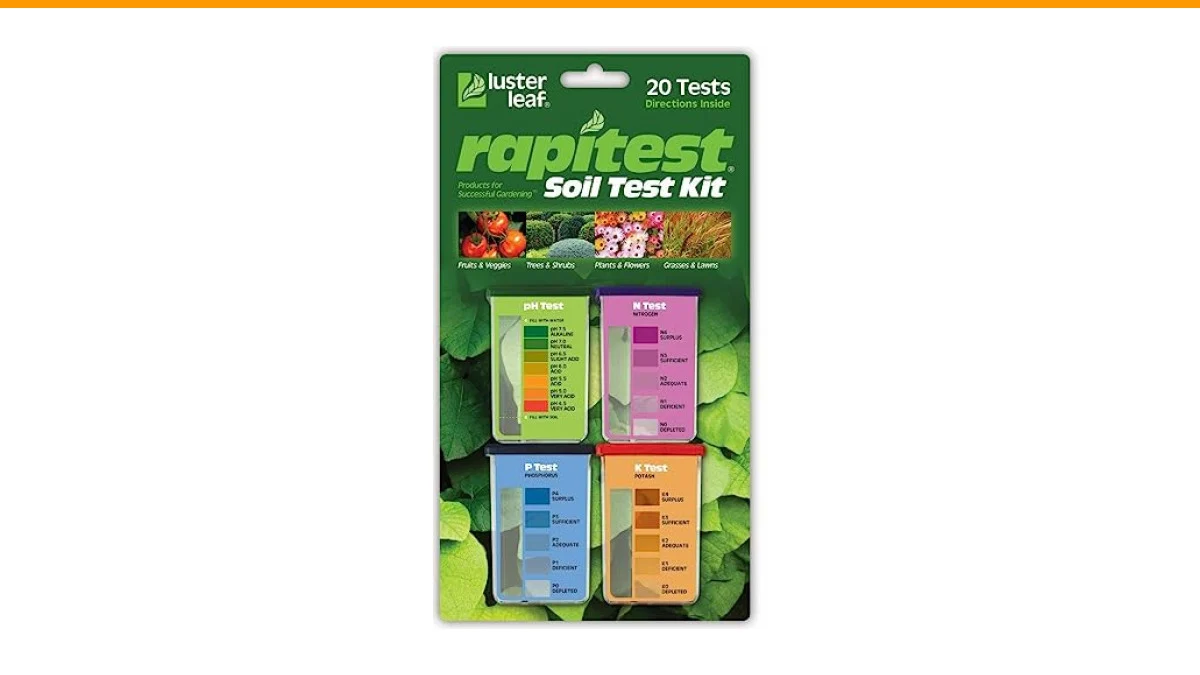
Luster Leaf
Rapitest Soil Test Kit for Gardens, Vegetables, Flowers and Lawns. USA designed and assembled soil tester completely, quickly and accurately measures/analyzes soil pH acidity and garden nutrients.
- Quick, at home results for Soil pH, Nitrogen, Phosphorous and Potash Innovative and inexpensive soil test kit features an easy-to-…
- Contains all components needed for 20 tests. 5 for each of pH, N, P and K
- Contains all components needed to test all variables in several spots in the yard or garden
One helpful tool for assessing your soil is the Rapitest Soil Test Kit. This kit allows you to quickly and accurately measure your soil’s pH, nitrogen, phosphorus, and potash levels, ensuring you have a solid understanding of your soil’s health before you start planting.
Understanding Soil Composition
Soil consists of minerals, organic matter, water, and air. Each component plays a vital role in plant health.
- Minerals: These provide essential nutrients. Common soil minerals include sand, silt, and clay.
- Organic Matter: Decaying plant material and microorganisms enhance soil fertility and structure.
- Water: Essential for plant metabolism, water availability affects nutrient uptake.
- Air: Gaseous exchange is crucial for root respiration.
For vegetable gardening, loamy soil, which is a mix of sand, silt, and clay, is often ideal. It retains moisture and nutrients while allowing for good drainage.
Testing Your Soil
Before making any amendments, test your soil to understand its current condition. Use a soil test kit, like the Rapitest Soil Test Kit, to check for pH and nutrient levels. Here’s a breakdown of how to perform a soil test:
- Collect soil samples from multiple areas of your garden.
- Follow the kit instructions to mix soil with the testing solutions.
- Compare the resulting colors to the included chart to determine pH and nutrient levels.
A pH level between 6.0 and 7.5 is optimal for most vegetables. If your soil is too acidic or alkaline, amendments like lime or sulfur can help correct the pH.
Amending the Soil
Once you understand your soil’s composition, you can make appropriate amendments. Here are some common options:
- Compost: Adds organic matter, improving soil structure and nutrient content. Aim for a 2-4 inch layer mixed into the top 12 inches of soil.
- Manure: Well-aged manure can boost nitrogen levels. Use sparingly, as it can burn plants if fresh.
- Peat Moss: Improves soil aeration and moisture retention, but be cautious of its environmental impact.
- Perlite or Vermiculite: Lighten heavy soils, improving drainage and aeration.
Mix these amendments thoroughly into the soil. A good rule of thumb is to work in about 25% organic material to your existing soil.
Tilling and Aerating the Soil
After amending, it’s time to till the soil. Tilling helps mix the amendments into the soil and aerates it, allowing roots to penetrate more easily. Use a garden fork for small areas or a rototiller for larger plots. Here are some tips:
- Till to a depth of about 12-15 inches.
- Avoid over-tilling, which can disrupt soil structure and harm beneficial microorganisms.
- Let the soil rest for a few weeks before planting to allow nutrients to stabilize.
During this rest period, consider planting a cover crop to fix nitrogen and prevent erosion.
Soil Comparison Table
| Soil Type | Drainage | Retention | Best for |
|---|---|---|---|
| Sand | Excellent | Poor | Root vegetables |
| Silt | Good | Moderate | Leafy greens |
| Clay | Poor | Excellent | Beans, peas |
| Loam | Good | Good | Most vegetables |
What is the best soil type for a vegetable garden?
Loamy soil is often considered the best for vegetable gardening due to its balanced texture and nutrient-holding capacity. It allows for proper drainage while retaining moisture, making it suitable for a variety of vegetables.
How often should I test my soil?
Testing your soil annually is a good practice, especially before planting each new season. This helps you monitor changes in nutrient levels and pH, allowing for timely amendments.
Can I use garden soil instead of potting soil?
Garden soil can be used, but it may not be as sterile and can harbor pests or diseases. For containers, potting soil is often a better choice as it is specifically formulated for drainage and nutrient content.
What amendments can I use to improve soil fertility?
Common amendments include compost, aged manure, bone meal, and fish emulsion. Each of these adds different nutrients, so select based on your soil test results.
Is it necessary to till the soil before planting?
While not strictly necessary, tilling helps mix in amendments and aerate the soil. If you have compacted soil, tilling can significantly improve drainage and root penetration.
Final Thoughts on Soil Preparation
- Test your soil regularly to understand its nutrient and pH levels.
- Amend your soil with organic materials like compost to improve fertility.
- Till and aerate the soil to enhance root growth.
- Choose the right soil type for the vegetables you want to grow.
- Consider using a soil test kit for easy at-home testing.
- Let your soil rest after amending for the best results.
- Explore additional gardening tips to enhance your vegetable growing experience, like best garden tools for vegetable gardens.


