Imagine stepping into your garden to find your carefully nurtured plants nibbled down to stubs. For many gardeners, rabbits are a persistent and frustrating foe. These adorable creatures may seem harmless, but their appetite can wreak havoc on your flowers, vegetables, and shrubs. Knowing how to effectively deter them is crucial for maintaining a thriving garden.
This article provides a thorough overview of natural rabbit repellents for gardens, including effective methods and products. You’ll learn about various techniques, benefits, and even some common misconceptions related to rabbit control. Armed with this knowledge, you’ll be better equipped to protect your garden and enjoy it to its fullest.

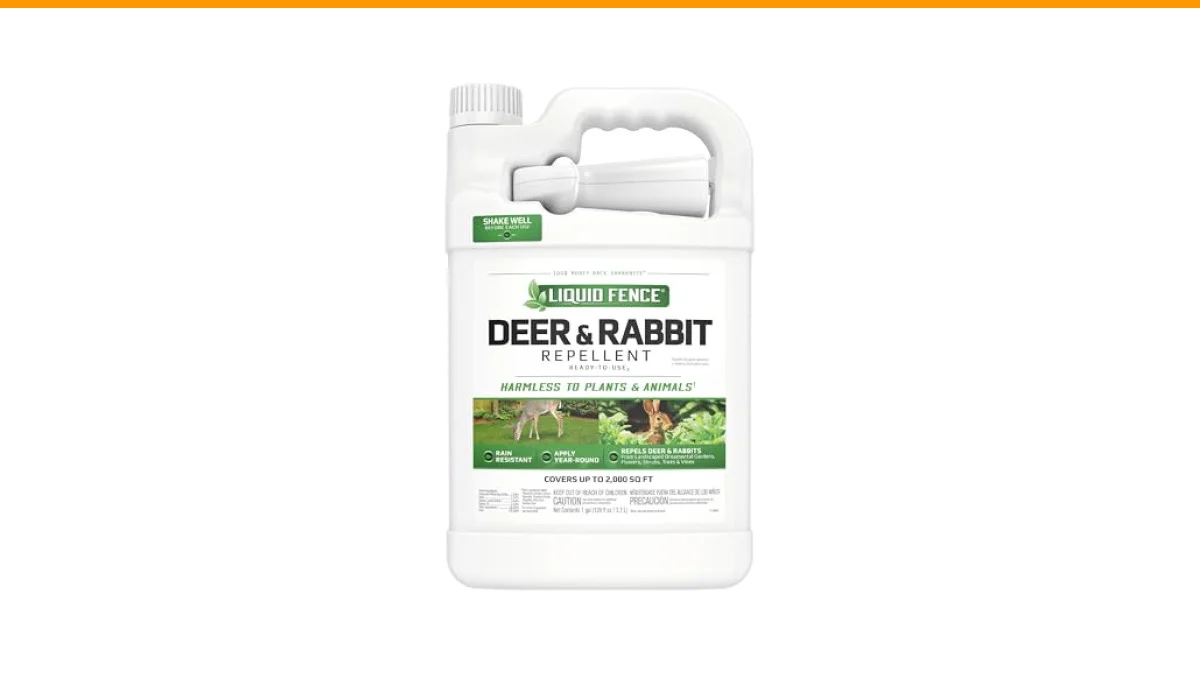
Liquid Fence
Liquid Fence Deer And Rabbit Repellent Ready-To-Use Spray, 1 Gallon | Use to Treat on Gardens, Flowers, Shrubs, Trees & Vines, Covers up to 2,000 Sq. Ft., Harmless to Plants & Animals
- REPELS DEER AND RABBITS: Deer and rabbits don’t have to eat vegetation for the repellent to be effective—they have a natural avers…
- SPRAY ON PLANTS: Use to treat landscaped ornamental gardens, flowers, shrubs, trees and vines
- RAIN RESISTANT: Ready-to-use liquid formula starts to work immediately
One effective option worth considering is the Liquid Fence Deer and Rabbit Repellent Ready-to-Use Spray. This solution is designed to repel both deer and rabbits without harming your plants. Its rain-resistant formula starts working immediately, making it a practical choice for busy gardeners.
Understanding Rabbit Behavior
Before diving into repellents, it helps to understand why rabbits are drawn to your plants. Rabbits are herbivores with a strong preference for tender, young vegetation. They are particularly attracted to gardens with a variety of greens, flowers, and vegetables. Understanding this behavior can help in crafting more effective deterrents.
Rabbits are most active during dawn and dusk, which is when they venture out in search of food. If your garden is a buffet of young, tempting plants, it becomes a target. This knowledge can inform your choice of natural rabbit repellents, allowing you to select methods that disrupt their feeding habits.
Common Misconceptions About Rabbit Repellents
Many people believe that all repellents must be harmful or toxic to be effective. This is a myth. Natural rabbit repellents can be just as effective, often using scents or tastes that rabbits find unappealing. For example, strong-smelling plants or specific essential oils can deter rabbits without causing them harm.
Some also think that only chemical solutions work. However, numerous natural methods can effectively repel rabbits. These include using unpleasant scents, planting certain herbs, or employing physical barriers. It’s worth noting that combining methods often yields the best results.
Natural Rabbit Repellent Methods
Here are several effective natural rabbit repellent methods:
- Spicy Solutions: Mix cayenne pepper or crushed red pepper flakes with water and spray it on your plants. The spicy taste deters rabbits while being harmless to plants.
- Essential Oils: Oils like peppermint or garlic can be effective. Mix a few drops with water and spray on your vegetation.
- Strong Scents: Planting strong-smelling herbs, such as lavender or sage, can create a natural barrier. Rabbits tend to avoid areas with these plants.
- Physical Barriers: Using fences or plant covers can prevent rabbits from accessing your plants directly. Ensure fences are buried at least 6 inches underground to stop burrowing.
Comparison of Natural Rabbit Repellents
| Method | Effectiveness | Ease of Use | Longevity |
|---|---|---|---|
| Spicy Solutions | Moderate | Easy | 1-2 weeks |
| Essential Oils | High | Moderate | 1-3 weeks |
| Strong Scents | High | Easy | Seasonal |
| Physical Barriers | Very High | Moderate | Permanent |
Do natural repellents really work?
Yes, many gardeners find success using natural rabbit repellents. The effectiveness often depends on the specific method used and the local rabbit population.
How often should I apply natural repellents?
It’s generally recommended to reapply natural repellents every 1-3 weeks, especially after rain or irrigation.
Are there any plants rabbits avoid?
Yes, plants like rosemary, lavender, and marigolds are often less appealing to rabbits and can be strategically used in your garden design.
Can I use commercial repellents along with natural methods?
Absolutely. Combining natural methods with commercial products can increase your garden’s protection against rabbits.
Will physical barriers harm rabbits?
No, physical barriers are a humane way to protect your garden. They provide a physical deterrent without causing harm.
Helpful Insights for Gardeners
- Consider using a mix of natural and commercial repellents for maximum effectiveness.
- Apply repellents during early morning or late evening when rabbits are most active.
- Regularly inspect your garden for signs of rabbit activity to adjust your strategies.
- Group strong-smelling plants together to create a natural barrier against rabbits.
- Stay informed about rabbit habits in your area to anticipate their movements.
- Monitor weather conditions and reapply repellents after rain.
- Be patient; finding the right combination of methods might take time.