How to Improve Clay Soil for Planting
Contents

Introduction
Gardening in clay soil can be a challenge. Many gardeners find themselves frustrated when plants struggle to thrive due to compacted, heavy soil that retains too much moisture. If you’ve ever faced the disappointment of seeing seedlings wilt or plants fail to flourish, you know how crucial the soil’s condition is for successful gardening.
This article provides practical strategies to improve clay soil for planting. You’ll learn about soil amendments, tilling techniques, and the importance of drainage. By the end, you’ll be equipped with the knowledge to transform your clay soil into a thriving environment for your plants.
In the realm of self-improvement, sometimes we overlook the importance of communication. For those looking to enhance their relationships without direct discussions, consider exploring How to Improve Your Marriage Without Talking About It. It offers insights into non-verbal communication strategies that can foster deeper connections.
Understanding Clay Soil
Clay soil consists of very fine particles that pack tightly together. This composition leads to poor drainage, reduced aeration, and challenges in root penetration. Typically, clay soil holds nutrients well, but excessive moisture can lead to root rot and other issues. Identifying the specific characteristics of your clay soil can guide your improvement efforts. For instance, a soil test can reveal pH levels and nutrient deficiencies.
Key Methods to Improve Clay Soil
1. **Add Organic Matter**: Incorporating organic matter is one of the most effective strategies for improving clay soil. Materials like compost, well-rotted manure, and leaf mold can enhance soil structure, drainage, and nutrient availability. Aim to mix in at least 2-3 inches of organic material into the top 6-12 inches of soil. This not only improves texture but also encourages beneficial microbial activity.
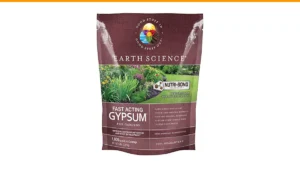
2. **Use Gypsum**: Gypsum (calcium sulfate) can help improve clay soil by breaking up compacted soil particles and facilitating drainage. The recommended application rate is about 40 pounds per 1,000 square feet. Gypsum doesn’t alter soil pH but helps to improve the soil structure over time.
3. **Tilling and Aeration**: Regular tilling can enhance aeration and break up compacted layers. Use a garden fork or tiller to loosen the soil, ideally during dry periods. Aeration promotes root growth and allows for better infiltration of water and nutrients. A good practice is to aerate every couple of years in areas where heavy clay is present.
4. **Plant Cover Crops**: Cover crops, such as clover or vetch, can improve soil health. These plants help prevent erosion, enhance organic matter when tilled back into the soil, and improve nitrogen levels. Plant cover crops during the off-season and till them under before planting your main crops.
Comparison of Methods
| Method | Benefits | Drawbacks |
|---|---|---|
| Add Organic Matter | Improves drainage, aeration, and nutrient levels | Requires ongoing maintenance and supply of materials |
| Use Gypsum | Breaks up compacted clay without altering pH | May take time to see significant results |
| Tilling and Aeration | Increases aeration and root penetration | Can disturb soil structure if done excessively |
| Plant Cover Crops | Enhances soil health and prevents erosion | Requires time before main crops can be planted |
Common Questions About Clay Soil Improvement
How long does it take to improve clay soil?
Improving clay soil is a gradual process. With consistent amendments and care, noticeable improvements can take several months to a few years. Regularly adding organic matter and practicing good soil management will yield the best results over time.
Can I use sand to improve clay soil?
While adding sand can improve drainage, it often requires significant amounts to be effective. Many gardeners find that mixing sand with organic matter is a more balanced approach, as organic material helps bind sandy particles together.
What is the best organic matter to use?
Compost is often the best choice due to its nutrient content and ability to improve soil structure. Other options include well-rotted manure, leaf mold, and peat moss. Each has its own benefits, so consider your specific soil needs.
Should I test my soil before improving it?
Yes, testing your soil is highly recommended. A soil test can provide valuable insights into pH levels and nutrient deficiencies, guiding your amendment choices. Many local extension services offer affordable soil testing.
Can I plant directly in clay soil?
Planting directly in clay soil is possible, but it’s advisable to amend it first. If planting directly, ensure you choose plants that tolerate clay conditions, such as certain types of grasses and native plants.
Final Thoughts on Improving Clay Soil
- Incorporate organic matter regularly to enhance soil structure.
- Consider gypsum for breaking up hard-packed clay.
- Aerate your soil to promote root growth.
- Use cover crops to improve soil health during the off-season.
- Test your soil periodically to monitor changes and adjust amendments.
- Patience is key; improvements take time and consistent effort.
- Choose plants suited for clay soil to ensure better growth.