When to Add Gypsum to Soil: A Comprehensive Guide
Contents
Many gardeners face soil challenges, from compacted clay to poor drainage. These issues can hinder plant growth and create frustration. If you’ve ever struggled to cultivate healthy plants in troublesome soil, you’re not alone. A common solution is adding gypsum, a naturally occurring mineral, to your soil. But when should you add gypsum to soil for optimal results?
This article teaches you the right timing and methods for integrating gypsum into your gardening routine. You’ll learn about the benefits of gypsum, how to assess your soil’s needs, and practical application tips to enhance your garden’s health.

Earth Science
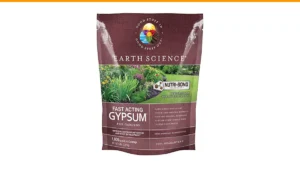
Earth Science Fast Acting Gypsum Granules—5 lb— Soil Conditioner Adds Calcium, Repairs Salt Damage & Root Growth with Nutri-Bond Runoff Reduction Technology
- Loosen Clay: Earth Science Fast Acting Gypsum granules start immediately to loosen clay and other compact soils for improved water…
- Support Healthy Plants: Loosening soil allows for better soil structure, water retention, and airflow which helps to support healt…
- Finely Ground & Pelletized: Earth Science Fast Acting Gypsum starts working immediately to loosen compact soil. Earth Science gyps…
The Earth Science Fast Acting Gypsum Granules can be a valuable addition to your gardening arsenal. This product not only helps in loosening compacted soil but also supports healthy root development and improves overall soil structure.
Understanding Gypsum and Its Benefits
Gypsum is a hydrated calcium sulfate mineral. It plays a crucial role in soil health. It improves soil structure, enhances drainage, and increases nutrient availability. Additionally, gypsum adds calcium, which is essential for plant development. It can also help in reducing soil salinity, making it particularly useful for areas affected by salt damage.
Some primary benefits of adding gypsum to your soil include:
- Loosening Compact Soil: Gypsum breaks down compacted clay, allowing for better water infiltration and root growth.
- Improving Soil Structure: It promotes better soil aggregation, making it easier for roots to spread and access nutrients.
- Enhancing Nutrient Availability: Gypsum helps displace sodium from soil particles, allowing essential nutrients to be more accessible to plants.
- Reducing Soil Salinity: It can mitigate salt damage, especially in coastal areas or places with saline irrigation water.
When to Add Gypsum to Soil
The timing for adding gypsum largely depends on your soil type and its condition. Here are some scenarios:
- Before Planting: If you’re working with heavy clay soil, incorporate gypsum into the soil several weeks before planting. Aim to apply it about 2-3 weeks prior. This allows the gypsum to begin breaking down soil compaction and improving its structure.
- During Planting: For vegetable gardens or flower beds, mix gypsum into the soil at the time of planting. This ensures that young plants benefit from the enhanced soil structure right from the start.
- After Heavy Rain: If your garden suffers from waterlogging, adding gypsum after heavy rains can help improve drainage. This is especially effective in spring when soil is saturated.
- When Soil Tests Indicate Need: Conduct soil tests to determine your soil’s composition and nutrient levels. If tests reveal high sodium levels or compacted soil, it’s a clear sign to add gypsum.
How to Apply Gypsum Effectively
Applying gypsum is straightforward, but following best practices ensures maximum benefits:
- Calculate the Right Amount: A standard recommendation is to apply 1-2 tons per acre for heavily compacted clay soil. For home gardens, about 2-3 pounds per 100 square feet is often sufficient.
- Use a Spreader: For larger areas, using a broadcast spreader can help evenly distribute the gypsum granules across the soil surface.
- Water After Application: Watering the area after applying gypsum helps it penetrate the soil more effectively and begins the process of improving soil structure.
- Monitor Soil Condition: After applying gypsum, keep an eye on soil moisture and plant health. Adjust your watering and fertilization as needed.
Common Misconceptions About Gypsum
Myth: Gypsum is Only for Clay Soils
Many believe gypsum is only beneficial for clay soils. While clay does benefit significantly from gypsum due to its compact nature, sandy soils can also gain from its use. Gypsum helps improve the structure of sandy soils by promoting better water retention and nutrient availability.
Myth: Gypsum Will Solve All Soil Problems
Some gardeners think gypsum is a cure-all. While it offers many benefits, it’s not a substitute for organic matter or other essential soil amendments. Always assess your soil’s specific needs, including pH adjustments and organic content, for holistic improvement.
| Method | Best For | Application Rate | Timing |
|---|---|---|---|
| Incorporation | Compacted clay soils | 2-3 lbs per 100 sq ft | 2-3 weeks before planting |
| Top Dressing | Vegetable gardens | 1-2 tons per acre | During planting |
| Liquid Solution | Waterlogged areas | As recommended by soil tests | After heavy rain |
FAQs About Adding Gypsum to Soil
1. Can I use gypsum on all types of plants?
Yes, gypsum is safe for most plants. It provides calcium without altering the soil pH, making it suitable for a wide variety of garden plants.
2. How long does it take for gypsum to work?
Gypsum begins to affect soil structure almost immediately, but significant improvements may take several weeks to months, depending on soil conditions.
3. Is gypsum safe for pets and kids?
Yes, gypsum is non-toxic, making it safe for use around children and pets. However, it’s always wise to keep any soil amendments out of reach.
4. Can I overapply gypsum?
Applying too much gypsum can lead to excess calcium in the soil, which can affect nutrient balance. Stick to recommended application rates for best results.
5. Should I combine gypsum with other soil amendments?
Combining gypsum with organic matter such as compost can enhance its effectiveness. Organic matter improves soil structure and nutrient retention.
Essential Points to Remember
- Gypsum is beneficial for improving soil structure, drainage, and nutrient availability.
- Apply gypsum before planting, during planting, or after heavy rains depending on your soil’s needs.
- Use the correct application rates to avoid nutrient imbalances.
- Monitor soil health regularly and adjust soil amendments as needed.
- Consider using products like Earth Science Fast Acting Gypsum for easy application.
- Conduct soil tests to tailor gypsum usage effectively.
- Gypsum is safe for all types of plants and poses no risk to pets and children.