Many gardeners face the challenge of acidic soil, which can lead to poor plant growth and nutrient deficiencies. If you’ve ever struggled to maintain vibrant flowers or healthy vegetables, you may have discovered that your soil pH is too low. Raising soil pH with lime can transform your garden into a thriving oasis. In this article, you’ll learn how to raise soil pH with lime effectively, with practical tips, measurements, and the best practices for application.
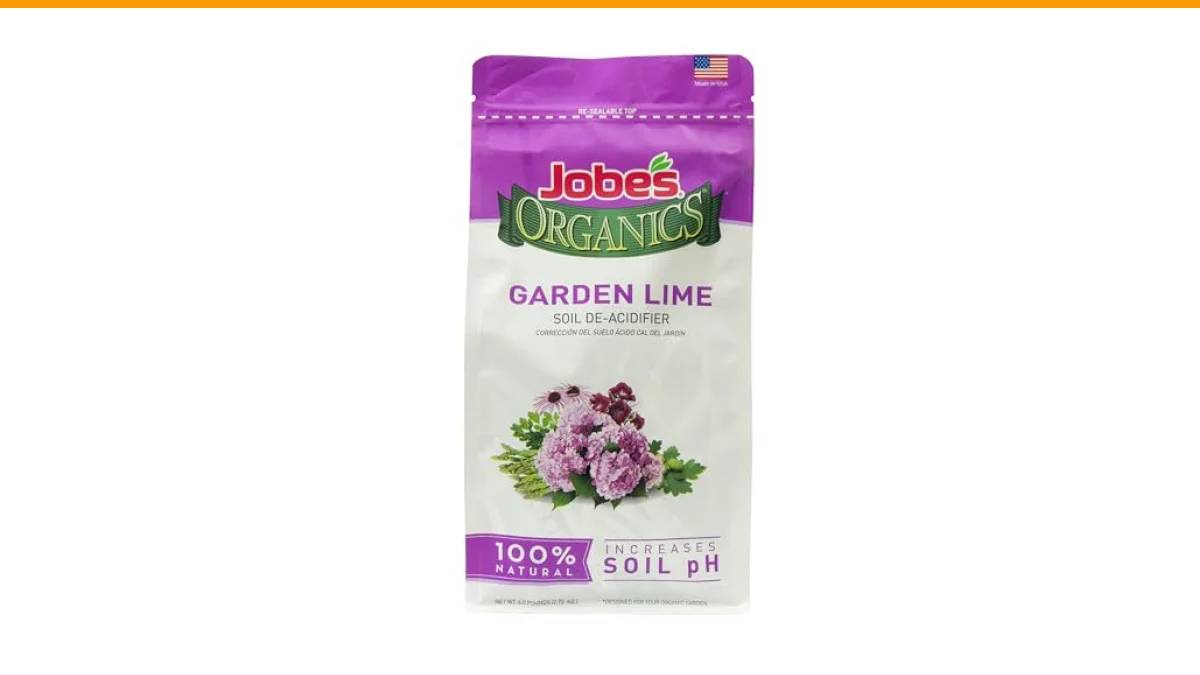
Using lime to increase your soil’s alkalinity is a straightforward process. The right product can make a significant difference. For example, Jobe’s Organics Garden Lime is an excellent choice for this purpose. This organic soil de-acidifier is designed to enhance nutrient absorption while being easy to apply. With no synthetic chemicals, it’s safe for organic gardening and helps maintain ideal soil conditions for your plants.

Jobe's Organics
Jobe's Organics Garden Lime, Lime Powder Soil Amendment for Lawns, Plants, and Gardens, 6 lbs Bag
- Package contains 6 pounds organic soil de-acidifier grains and is produced to avoid wasteful runoff, mess, hazards and smells
- Soil de-acidifier is formulated to increase alkalinity and allow plants to absorb nutrients for vibrant color and lush foliage
- Jobe's organic garden lime soil amendment contains no synthetic chemicals and is OMRI listed for organic gardening by the USDA
Understanding Soil pH
Soil pH is a measure of how acidic or alkaline your soil is, with a scale ranging from 0 (very acidic) to 14 (very alkaline). Most plants thrive in a pH range of 6.0 to 7.5. When soil pH falls below 6.0, it becomes increasingly acidic, which can hinder the availability of essential nutrients like nitrogen, phosphorus, and potassium. Understanding your soil’s pH level is crucial for successful gardening.
Many factors influence soil pH, including rainfall, soil type, and organic matter. For instance, sandy soils tend to be more acidic, while clay soils can be more alkaline. Regular testing of your soil pH will guide you in making informed decisions about lime application and other amendments.
How to Raise Soil pH with Lime
Raising soil pH with lime involves a few straightforward steps:
- Test Your Soil: Use a soil test kit to determine the current pH level. This will help you decide how much lime to apply.
- Select the Right Lime: Choose between calcitic lime (calcium carbonate) and dolomitic lime (magnesium carbonate). Dolomitic lime is ideal if your soil is also low in magnesium.
- Calculate the Amount of Lime Needed: A general rule of thumb is to apply 50 pounds of lime per 1,000 square feet to raise the pH by one point. However, this can vary based on soil type and existing pH.
- Apply the Lime: Spread the lime evenly across your garden or lawn. For best results, do this in the fall or early spring, allowing time for the lime to react with the soil before planting.
- Monitor Soil pH: Re-test your soil pH after a few months to assess the effects of your lime application. You may need to reapply every few years to maintain desired pH levels.
Common Misconceptions About Lime Application
1. More Lime Means Better Results
Many gardeners assume that applying excessive amounts of lime will yield faster results. However, over-application can lead to nutrient imbalances and even harm plants. Stick to recommended amounts based on your soil test results.
2. Lime Works Instantly
Some believe that lime changes soil pH immediately. In reality, lime takes time to react with the soil. Expect gradual changes over several months, especially if you’re working with clay soils.
Comparing Lime Products
| Product | Type | Size | Application Frequency | Organic |
|---|---|---|---|---|
| Jobe’s Organics Garden Lime | Dolomitic | 6 lbs | 2-3 times a year | Yes |
| Espoma Organic Lime | Calcium Carbonate | 40 lbs | Once a year | Yes |
| Pennington Fast Acting Lime | Calcium Carbonate | 50 lbs | Once a year | No |
Frequently Asked Questions
How long does it take for lime to raise soil pH?
Lime can take several months to significantly affect soil pH. Expect to see changes within 3 to 6 months, depending on soil type and environmental conditions.
Can I apply lime at the same time as fertilizer?
It’s generally advisable to apply lime before fertilizing. Lime needs time to break down and interact with the soil, while fertilizers are designed for immediate nutrient availability.
Is there a best time of year to apply lime?
The best times to apply lime are in the fall or early spring. This timing allows for optimal soil interaction and prepares the ground for planting.
What happens if I don’t raise my soil pH?
If you don’t address low soil pH, plants may struggle to absorb nutrients, leading to poor growth, yellowing leaves, and reduced yields. This can negatively affect your entire garden.
Can I use lime on all plants?
While many plants prefer slightly alkaline conditions, some plants, like blueberries, thrive in acidic soil. Always research specific plant needs before applying lime.
Final Thoughts for Successful Gardening
- Test your soil regularly to monitor pH levels.
- Apply lime based on specific soil needs, not just a general rule.
- Choose the right type of lime for your garden.
- Be patient; changes in pH can take time.
- Combine lime application with other soil amendments for best results.
- Consider using a soil tester for accurate pH readings.
- Maintain consistent monitoring to adapt to changing soil conditions.