Using Peat Moss in Garden Soil: A Comprehensive Guide
Contents
Imagine planting a beautiful garden, only to find that your soil is too dense or doesn’t retain moisture well. Many gardeners face this challenge, especially in areas with heavy clay or sandy soils. Using peat moss in garden soil can transform your planting experience, providing the perfect balance of moisture retention and aeration. In this article, you’ll learn about the benefits of peat moss, how to use it effectively, and what to consider before incorporating it into your garden.
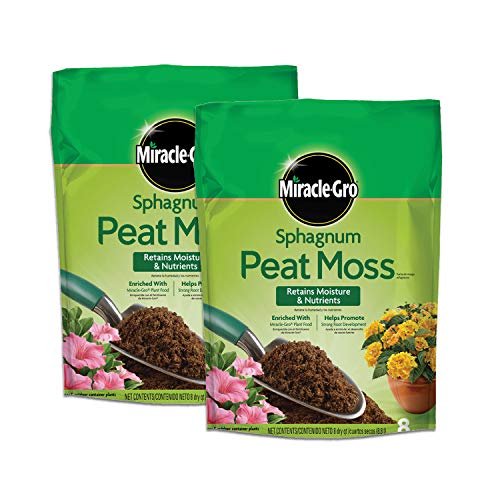
For those looking to improve their garden soil, peat moss serves as an excellent amendment. A quality peat moss product can help you achieve the desired texture and moisture levels in your soil, making it more conducive to healthy plant growth.
Understanding Peat Moss
Peat moss is a natural product harvested from peat bogs. It consists primarily of decomposed sphagnum moss and is rich in organic matter. This makes it highly effective as a soil amendment. Peat moss has a high cation-exchange capacity, which allows it to hold nutrients and release them to plants as needed. Additionally, it helps retain moisture, making it invaluable in dry conditions. However, it’s worth noting that peat moss is acidic, with a pH range of 3.0 to 4.5, which may not be suitable for all plants.
Benefits of Using Peat Moss in Garden Soil
- Moisture Retention: Peat moss can hold up to 20 times its weight in water, which is crucial for keeping plants hydrated.
- Improved Aeration: Its fibrous texture promotes aeration in the soil, allowing roots to breathe and access nutrients more effectively.
- Nutrient Retention: Peat moss retains essential nutrients and helps prevent leaching, meaning your plants get the nutrients they need.
- Soil Structure: It improves soil structure, making heavy soils lighter and sandy soils more cohesive.
How to Use Peat Moss in Your Garden
When using peat moss in garden soil, the recommended ratio is about 25% peat moss to 75% existing soil. This ratio can vary depending on the soil type and the specific needs of your plants.
Here’s how to mix it:
- Soil Testing: Start with a soil test to determine the pH and nutrient levels of your current soil.
- Mixing: Incorporate peat moss into your garden bed by mixing it with your existing soil. For example, if you have a 4-foot by 4-foot garden bed, you can use around 1 cubic foot of peat moss.
- Watering: After mixing, water the area thoroughly to help the peat moss settle and begin to integrate with the soil.
For seed starting, use a mix of 50% peat moss and 50% vermiculite or perlite. This provides excellent drainage while retaining moisture.
Alternatives to Peat Moss
While peat moss is beneficial, some gardeners prefer alternatives due to environmental concerns surrounding peat harvesting. Here are a few options:
- Coconut Coir: Made from coconut husk, it offers similar moisture retention and aeration properties and is more sustainable.
- Compost: Well-decomposed organic matter enriches soil with nutrients while improving structure.
- Leaf Mold: Decomposed leaves provide nutrients and enhance soil structure, making it an excellent alternative.
Comparison of Soil Amendments
| Amendment | Moisture Retention | Nutrient Profile | pH Level | Environmental Impact |
|---|---|---|---|---|
| Peat Moss | High | Moderate | 3.0 – 4.5 | Concerns about sustainability |
| Coconut Coir | High | Low | 5.5 – 6.5 | More sustainable |
| Compost | Moderate | High | Varies | Low impact |
| Leaf Mold | Moderate | Moderate | Neutral | Low impact |
What plants benefit most from peat moss?
Plants that thrive in acidic conditions, such as blueberries and azaleas, benefit significantly from peat moss. It improves soil conditions for these species, helping them absorb nutrients effectively.
Can peat moss be used for indoor plants?
Yes, peat moss is excellent for indoor plants, especially when mixed with potting soil. It helps retain moisture, which is essential in indoor environments where plants may dry out quickly.
How often should I add peat moss to my garden?
Adding peat moss every two to three years is generally sufficient. Monitor your soil’s moisture and nutrient levels to determine if more frequent additions are necessary.
Is peat moss safe for vegetable gardens?
Yes, peat moss is safe for vegetable gardens. However, its acidity may require monitoring. Aim for a balanced pH by mixing it with lime if necessary.
What are the environmental concerns with using peat moss?
Harvesting peat moss can lead to habitat destruction and carbon release from peat bogs. Choosing sustainable options like coconut coir can mitigate these concerns.
Final Thoughts on Using Peat Moss
- Peat moss holds significant moisture, making it ideal for dry conditions.
- Mix peat moss into your garden soil at a ratio of 25% to 75% for best results.
- Consider alternatives like coconut coir for more sustainable options.
- Monitor soil pH and nutrient levels to ensure plant health.
- Use peat moss in potting mixes for indoor plants to retain moisture.
- Be aware of the environmental impact of peat harvesting and choose wisely.
Using peat moss in garden soil can revolutionize your gardening experience. With the right approach and knowledge, you can create an environment where your plants can thrive.
For more gardening tips, check out our guides on best garden trowel for wet soil use and pressure washer for garden soil.
Whether you’re a novice or an experienced gardener, understanding how to use peat moss effectively can make a real difference in your garden’s success.