Many gardeners wonder about the right amount of mulch to use around their plants. Getting the depth right can significantly impact plant health, moisture retention, and weed suppression. Too little mulch won’t provide adequate protection for your plants, while too much can lead to moisture issues and root rot. This article will clarify how deep garden mulch should be and offer practical tips for applying it effectively.
For those looking to manage garden waste efficiently while applying mulch, consider using The Home Depot 49022-10PK Heavy Duty Brown Paper Lawn and Refuse Bags. These biodegradable bags are great for collecting yard waste like leaves and clippings, making your gardening tasks easier and more sustainable.

Home Depot
The Home Depot 49022-10PK Heavy Duty Brown Paper Lawn and Refuse Bags for Home and Garden, 30 gal (10 Lawn Bags)
- 10 LAWN BAGS INCLUDED
- BIODEGRADABLE: You can put these bags in your compost heap or have it picked up by waste collectors
- TEAR RESISTANT: constructed from thick 2-ply paper that holds up to nature’s punishment. Optimal for sticks, twigs, clippings, lea…

Understanding Mulch Depth
So, what’s the magic number? Generally, a depth of 2 to 4 inches is recommended for most garden beds. This range strikes a balance—providing enough coverage to suppress weeds and retain moisture while allowing air to reach the soil and plant roots. However, specific plants and conditions may require adjustments.
Factors Affecting Mulch Depth
Several factors influence how deep garden mulch should be:
- Plant Type: Different plants have varying needs. For instance, vegetable gardens typically benefit from 2 to 3 inches of mulch, while perennial flower beds can handle 3 to 4 inches.
- Climate: In hotter climates, deeper mulch may help retain moisture, while in cooler areas, a shallower layer prevents soil from becoming too cold.
- Soil Type: Sandy soils may need more mulch to retain moisture, whereas clay soils might require less to avoid waterlogging.
- Mulch Material: Organic mulches, like wood chips or straw, decompose over time, so starting with a thicker layer can be beneficial.
Adjusting your mulch depth based on these factors can lead to healthier plants and better garden performance.
How to Apply Mulch Correctly
Applying mulch isn’t just about dumping it on the soil. Here’s how to do it correctly:
- Prepare the Area: Remove weeds and old mulch. Loosen the soil slightly for better integration.
- Apply the Mulch: Spread the mulch evenly, ensuring it’s 2 to 4 inches deep, depending on your specific needs.
- Avoid Volcano Mulching: Don’t pile mulch against plant stems or trunks. This can lead to rot and pest problems.
- Water After Applying: Lightly water the mulch to help it settle and prevent it from blowing away.
Following these steps ensures even coverage and maximizes the benefits of your mulch.
Comparison of Mulch Types
| Mulch Type | Recommended Depth | Benefits | Considerations |
|---|---|---|---|
| Wood Chips | 3-4 inches | Long-lasting, great for moisture retention | Can attract pests if too thick |
| Straw | 2-3 inches | Good for vegetable gardens, breaks down quickly | May harbor seeds that can sprout |
| Grass Clippings | 1-2 inches | Free and nutrient-rich | Can mat down, leading to water issues |
| Shredded Leaves | 2-3 inches | Great for organic matter, inexpensive | Can blow away if not weighed down |
How often should I refresh my mulch?
Mulch should be refreshed annually or bi-annually, especially organic types that break down over time. Check for decomposition and replenish as needed.
Can too much mulch harm my plants?
Yes, excessive mulch can suffocate plant roots, retain too much moisture, and create a favorable environment for pests. Stick to the recommended depth.
What are the best materials for mulch?
Popular mulch materials include wood chips, straw, grass clippings, and shredded leaves. Each has its pros and cons, depending on your gardening needs.
Is black mulch better than brown mulch?
Black mulch retains heat, which can be beneficial in colder climates, while brown mulch is more aesthetic and provides organic matter as it breaks down. Choose based on your garden’s needs.
How does mulch help with weed control?
Mulch blocks sunlight, preventing weed seeds from germinating. A thick enough layer can significantly reduce the amount of weeding you’ll need to do.
Final Thoughts on Mulch Depth
- Most gardens thrive with 2 to 4 inches of mulch.
- Consider the specific needs of your plants and local conditions.
- Always prepare your garden bed before applying mulch.
- Refresh mulch regularly to maintain its effectiveness.
- Choose the right mulch material for your goals.
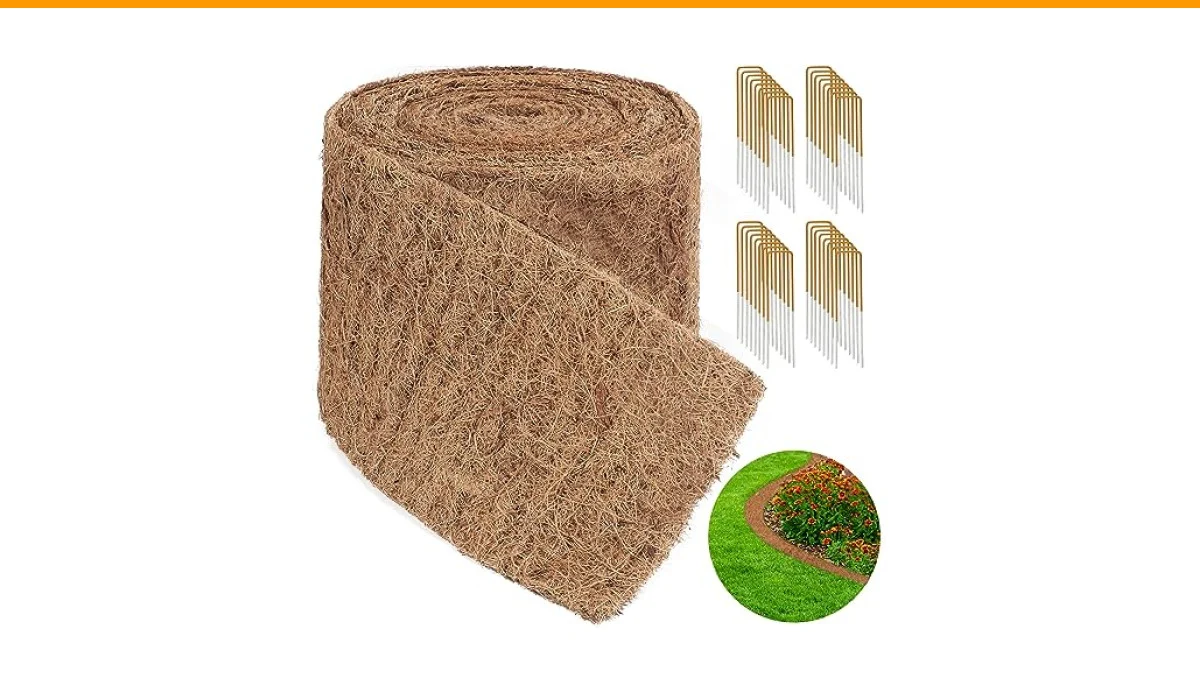
Understanding how deep garden mulch should be—and applying it correctly—can lead to healthier plants and a more vibrant garden. For additional gardening tools, check out our resources on seasonal tool organizers and garden edging for mulch.