Many gardeners seek ways to nourish their plants without relying on synthetic fertilizers. One popular solution is compost tea, a nutrient-rich liquid that can offer numerous benefits to your garden. Imagine having a simple, effective way to boost your plants’ health, improve soil structure, and enhance microbial activity. In this guide, you will learn how to make compost tea, its benefits, and best practices for applying it.
This article provides detailed insights into various methods for brewing compost tea, common misconceptions, and expert tips. You’ll walk away with knowledge that can transform your gardening approach and improve your plant’s vitality.

Bag-A-Nut
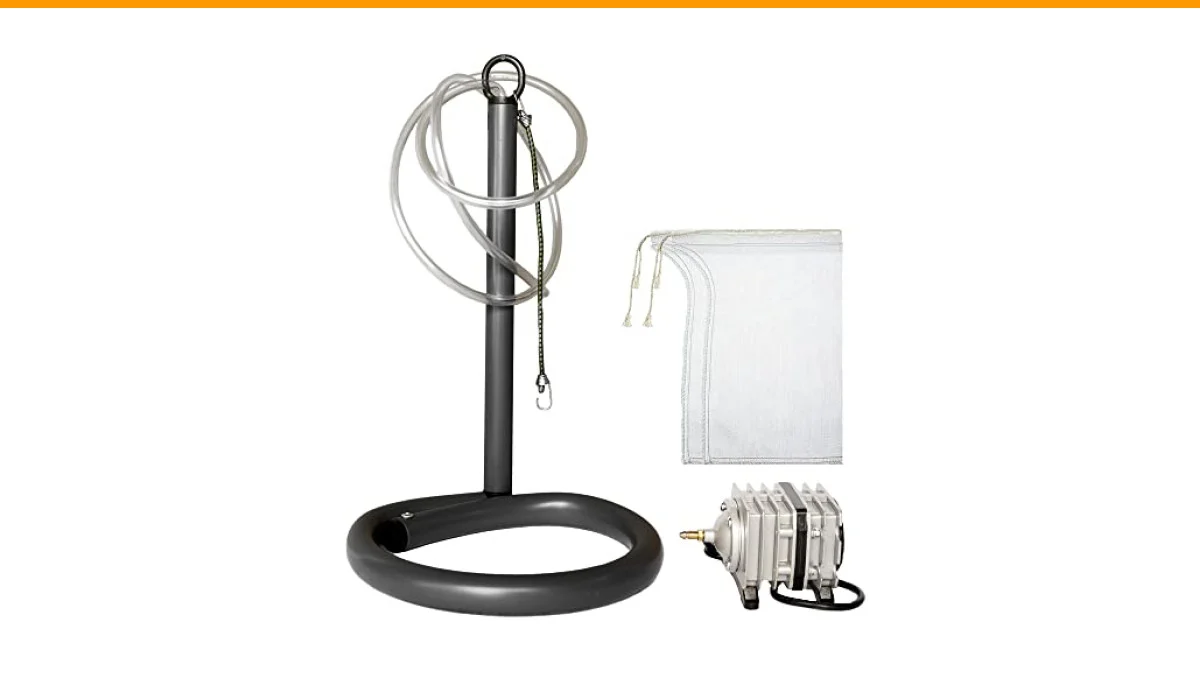
Worm Brew - Compost Tea & Worm Casting Tea Brewer - 5 Gallon Bucket Aerator (Pump Included) D10
- Brew compost tea and worm casting tea for organic gardening
- Designed to be used with a standard 5-gallon bucket
- Aerates evenly, preventing dead spots and providing plenty of oxygen for optimum microbial growth
A great tool to help you brew compost tea is the Worm Brew – Compost Tea & Worm Casting Tea Brewer. This product includes everything you need to create rich compost tea, designed for use with a standard 5-gallon bucket. It aerates evenly, which is crucial for the growth of beneficial microorganisms.
Understanding Compost Tea
Compost tea is essentially a liquid extract created from compost. It serves as a potent fertilizer and can improve plant health. The brewing process extracts nutrients and beneficial microorganisms from the compost, allowing them to be easily absorbed by plants. To make effective compost tea, you need to focus on the ingredients and the brewing method.
Common Misconceptions About Compost Tea
Many people mistakenly believe that all compost tea is created equal. However, the method used to brew it significantly impacts the quality of the final product. Using a passive method might yield a weaker solution, while an aerated method can produce a more potent tea. The presence of oxygen during brewing encourages the growth of beneficial aerobic microbes, which are essential for a healthy compost tea.
How to Brew Compost Tea: Step-by-Step
- Gather Your Materials: You’ll need compost, water, a brewing container (like a 5-gallon bucket), and optionally, an aerator. High-quality compost is essential, as it contains the nutrients and microbes you want to extract.
- Choose Your Method: You can brew compost tea using two main methods: aerated and non-aerated. Aerated tea is generally richer in beneficial microorganisms.
- Mix Ingredients: For a basic brew, use 1 part compost to 5 parts water. If using an aerator, let the mixture brew for 24-48 hours. If not using an aerator, let it steep for 3-5 days, stirring occasionally.
- Strain the Brew: After brewing, strain the liquid through a fine mesh bag or cloth to separate the solid compost from the tea.
- Store or Use Immediately: Compost tea is best used fresh, but it can be stored for a short period in a cool, dark place.
Comparison of Brewing Methods
| Method | Time Required | Microbial Activity | Ease of Use |
|---|---|---|---|
| Aerated | 24-48 hours | High | Moderate |
| Non-Aerated | 3-5 days | Moderate | Easy |
Frequently Asked Questions
1. What type of compost is best for making compost tea?
High-quality compost made from diverse materials is ideal for brewing compost tea. Look for compost that has been properly aged and is free from pathogens or contaminants.
2. Can I use store-bought compost for compost tea?
Yes, store-bought compost can be used. However, ensure it’s organic and free from chemical additives. Homemade compost typically yields better results due to its rich microbial content.
3. How often should I apply compost tea to my garden?
Applying compost tea every 2-4 weeks during the growing season is beneficial. Adjust frequency based on plant needs and soil conditions.
4. Can I use compost tea on all plants?
Compost tea is generally safe for most plants. However, it’s best to conduct a small test on a few plants first to observe any reactions.
5. Is compost tea a substitute for regular fertilizer?
Compost tea is not a complete substitute for all fertilizers. It can complement your fertilization regimen by providing microbial life and nutrients, but it may not meet all nutrient requirements.
Final Thoughts on Making Compost Tea
- Use high-quality compost for the best results.
- Consider an aerated method for richer microbial life.
- Apply compost tea every few weeks during the growing season.
- Observe plant reactions to adjust your brewing and application techniques.
- Experiment with different compost sources to find what works best for your garden.
- Store brewed tea in a cool, dark place if not used immediately.
- Stay informed about your plants’ needs and soil health for optimal growth.
Creating compost tea can significantly benefit your garden, enriching the soil and promoting plant health. By understanding the brewing methods and common misconceptions, you can optimize your gardening efforts and enjoy a thriving landscape.