The Best Soil Amendments for Vegetable Gardens
Contents

Understanding Soil Amendments
Every gardener knows the frustration of putting in effort only to yield disappointing results. That’s often due to one key factor: soil health. Healthy soil is the foundation for a thriving vegetable garden. It provides essential nutrients, retains moisture, and promotes beneficial microbial activity. However, not all soil is created equal. Many gardeners struggle with nutrient deficiencies, poor drainage, or compacted soil. The right soil amendments can transform your garden, helping you grow vibrant, healthy vegetables.
This article guides you through the best soil amendments for vegetable gardens, detailing their benefits and how to use them effectively. You’ll walk away with actionable insights, whether you’re starting a new garden or improving an existing one.

Farmer's Secret
Farmer’s Secret Soil Revitalizer - Organic (OMRI Listed) Dirt Health Booster - Liquid Compost Soil Amendment - Activated Humic Acid - Great for Fall/Spring Application (32oz)
- Feed the soil not the plants - stimulate microbial activity in your soil and boost probability of success with all types of plants…
- For best results, apply monthly throughout the growing season, especially in the fall and spring
- No synthetic chemicals - main ingredient in this product is activated humics derived from organic sources (OMRI certified organic)
One product that can significantly aid in soil revitalization is Farmer’s Secret Soil Revitalizer. This organic liquid compost soil amendment, derived from activated humic acid, enhances microbial activity in your soil, fostering a healthier gardening environment.
Types of Soil Amendments
Soil amendments can be broadly categorized into two types: organic and inorganic. Each type has its unique benefits and best uses.
Organic Amendments
Organic amendments are derived from natural sources and improve soil structure, nutrient content, and moisture retention. They also support microbial life, crucial for soil health. Here are some popular organic amendments:
- Compost: A well-balanced blend of organic matter, compost enriches soil with nutrients and improves its structure. Aim for a mixture of green (nitrogen-rich) and brown (carbon-rich) materials. Use about 1-2 inches of compost annually on top of your garden beds.
- Manure: Well-rotted animal manure, such as from cows or chickens, adds nutrients. Apply 1-2 inches and incorporate it into the top 6 inches of soil. Ensure it’s aged to avoid burning plants.
- Peat Moss: This amendment enhances moisture retention and aeration. Use it to improve sandy or clay soils, incorporating it at a ratio of one part peat to three parts soil.
- Bone Meal: A great source of phosphorus, bone meal supports root development. Mix it into the soil at a rate of 1-2 tablespoons per planting hole.
Inorganic Amendments
Inorganic amendments often provide specific nutrients and are quick to act. While they can be beneficial, they should be used judiciously. Common inorganic amendments include:
- Perlite: A volcanic glass that improves soil aeration and drainage. Mix perlite with potting soil or garden soil at a ratio of 1:4.
- Lime: Used to raise soil pH, lime can help if your soil is too acidic. Conduct a soil test to determine the appropriate amount, typically 1-2 pounds per 100 square feet.
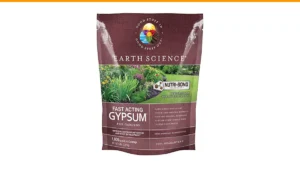
- Gypsum: This mineral aids in improving soil structure, especially in clay soils, and adds calcium without altering pH. Apply 1-2 pounds per 100 square feet.
Common Misconceptions About Soil Amendments
Myth: More Amendments Equal Better Soil
Many gardeners believe that the more amendments they add, the better the soil will be. This isn’t always true. Adding too many amendments can lead to nutrient imbalances and water retention issues. Always conduct a soil test to understand your soil’s specific needs before applying amendments.
Myth: Organic Means No Nutrients
Another common misconception is that organic amendments lack the nutrient density of inorganic ones. In reality, organic amendments like compost and manure are rich in diverse nutrients and beneficial microbes. They improve soil health over time, while inorganic options often provide quick fixes without long-term benefits.
How to Apply Soil Amendments Effectively
Application methods depend on the type of amendment and the current condition of your soil. Here are some guidelines:
- Test Your Soil: Start with a soil test to determine pH and nutrient levels. This will inform your amendment choices.
- Timing: Apply organic amendments in the fall or early spring. Inorganic fertilizers can be applied at planting time.
- Incorporate into Soil: For many amendments, mixing them into the top 6-12 inches of soil is effective. Tilling or using a garden fork can help.
- Monitor Results: Observe plant growth and soil conditions. Adjust future applications based on these observations.
Comparison of Common Soil Amendments
| Amendment | Type | Benefits | Application Rate |
|---|---|---|---|
| Compost | Organic | Rich in nutrients, improves structure | 1-2 inches annually |
| Manure | Organic | Increases nutrient content | 1-2 inches, well-rotted |
| Peat Moss | Organic | Enhances moisture retention | 1 part to 3 parts soil |
| Bone Meal | Organic | Supports root development | 1-2 tablespoons per planting hole |
| Perlite | Inorganic | Improves aeration and drainage | 1 part per 4 parts soil |
| Lime | Inorganic | Raises soil pH | 1-2 pounds per 100 sq. ft. |
| Gypsum | Inorganic | Improves soil structure | 1-2 pounds per 100 sq. ft. |
Frequently Asked Questions
What are the best soil amendments for vegetable gardens?
The best soil amendments include compost, well-rotted manure, and peat moss for organic options. Inorganic amendments like lime and gypsum are beneficial for specific needs.
How often should I apply soil amendments?
For organic amendments, applying annually or biannually is ideal. Inorganic amendments should be applied according to specific needs, often at planting time.
Can I use too much soil amendment?
Yes, over-applying amendments can lead to nutrient imbalances and other issues. Always follow recommended application rates and conduct soil tests.
How do I know what my soil needs?
A soil test is the most reliable way to determine nutrient levels and pH. Many local extension services offer testing kits or services.
Are there any quick fixes for poor soil?
Inorganic fertilizers can provide immediate nutrient boosts, but they don’t improve long-term soil health. Organic amendments are better for sustainable gardening.
Final Thoughts on Soil Amendments
- Healthy soil is essential for thriving vegetable gardens.
- Use organic amendments like compost and manure for long-term benefits.
- Conduct soil tests to understand specific needs before application.
- Balance your use of organic and inorganic amendments for optimal results.
- Monitor plant health and adjust amendments as needed.
- Consider using products like Farmer’s Secret Soil Revitalizer to enhance soil microbial activity.
- Remember, less can be more when it comes to soil amendments.