Introduction
Imagine stepping into your garden and finding it bustling with life. Colors swirl around as ladybugs flit from leaf to leaf, naturally controlling aphid populations and providing a stunning visual. These tiny beetles are not only charming; they play a crucial role in maintaining a balanced ecosystem. Attracting ladybugs to your garden can significantly enhance your plants’ health while reducing the need for chemical pesticides.
This article will guide you through practical methods to attract ladybugs to your garden. You’ll discover specific plants, habitat requirements, and tips for creating an environment that invites these beneficial insects. By implementing these strategies, you can foster a vibrant garden teeming with life.
Lulu Home
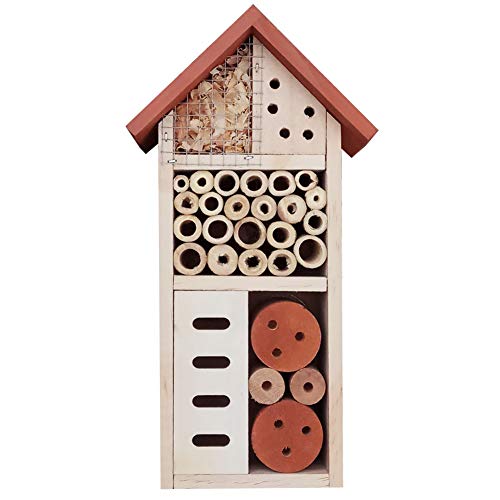
Lulu Home Wooden Insect House, Hanging Insect Hotel for Bee, Butterfly, Ladybirds, Beneficial Insect Habitat, Bug Hotel Garden, 10.4 X 3.4 X 5.4 Inch
- Shelter for Insect: Lulu Home wooden insect house attracts insects to your garden, and provides them with a safe environment to li…
- Beneficial for Plants: Some insects are really useful that, when they living in the bug house in your garden, they help to recycle…
- Diverse Rooms in One: To settle more species of insects, each gird of the insect hotel is filled with different material and desig…
One effective way to provide a welcoming habitat for ladybugs is by using a bug hotel, like the Lulu Home Wooden Insect House. This insect hotel not only attracts ladybugs but also offers a safe haven for various beneficial insects, enhancing the overall health of your garden.
Understanding Ladybug Needs
Ladybugs thrive in environments that provide food, shelter, and a suitable climate. Understanding these needs is the first step in attracting them effectively. Here’s what you should consider:
- Food Sources: Ladybugs primarily feed on aphids, mealybugs, and spider mites. A garden rich in these pests will naturally attract ladybugs.
- Habitat: They prefer gardens with plenty of hiding spots, such as dense foliage, tall grasses, and ground cover plants.
- Climate: Ladybugs enjoy sunny and warm environments. They are more likely to visit gardens that receive ample sunlight.
Choosing the Right Plants
Selecting the right plants can significantly increase your chances of attracting ladybugs. Here are some excellent options:
- Aphid-attracting plants: Consider planting species like nasturtiums and sunflowers, which attract aphids, drawing ladybugs to feast on them.
- Flowering herbs: Plants such as dill, fennel, and parsley not only attract ladybugs but also provide nectar that sustains them.
- Native plants: Native flora are often adapted to local conditions and can support local ladybug populations effectively.
Creating a Suitable Habitat
Building a welcoming environment is crucial in attracting ladybugs. Here’s how:
- **Provide Shelter:** Use natural materials like rocks, logs, and leaves to create hiding spots. Consider placing the Lulu Home Wooden Insect House in your garden to offer structured shelter.
- **Avoid Pesticides:** Chemical pesticides can deter ladybugs. Use organic methods of pest control to keep the environment safe for these beneficial insects.
- **Maintain Moisture:** Ladybugs thrive in moist conditions. Regular watering can help create a suitable habitat.
Comparison of Ladybug Attraction Methods
| Method | Description | Effectiveness |
|---|---|---|
| Planting Aphid-attracting Plants | Introduce plants that attract aphids to entice ladybugs. | High |
| Using Insect Hotels | Provide structured habitat for ladybugs and other beneficial insects. | Medium |
| Organic Pest Control | Minimize or eliminate pesticide use to protect ladybug populations. | High |
| Creating Shelter | Use natural materials to create hiding spots. | Medium |
Common Questions About Attracting Ladybugs
What plants attract ladybugs?
Ladybugs are drawn to plants like nasturtiums, sunflowers, and various herbs, especially those that produce flowers such as dill and fennel.
How can I encourage ladybugs to stay in my garden?
Create a welcoming environment by providing food sources, shelter, and moisture. Avoid pesticides to keep ladybugs safe.
Is it effective to buy ladybugs for my garden?
While purchasing ladybugs can introduce them to your garden, they might not stay unless you provide a suitable habitat and food sources.
Do ladybugs hibernate?
Yes, ladybugs hibernate during winter. They seek sheltered areas to survive until spring.
How many ladybugs should I introduce to my garden?
Introducing a few hundred ladybugs can be beneficial, but ensure your garden has enough food and shelter to support them.
Final Thoughts
- Choose plants that attract ladybugs and their prey.
- Provide shelter using natural materials or an insect hotel.
- Avoid chemical pesticides to protect ladybug populations.
- Water your garden regularly to maintain moisture levels.
- Observe your garden for signs of ladybugs and adjust your methods as needed.
- Be patient; it may take time for ladybugs to find your garden.
- Consider native plants that attract local ladybug species.