Imagine stepping into your garden, surrounded by lush plants and vibrant flowers, only to find those pesky aphids munching away on your beloved blooms. You want a solution that’s not only effective but also environmentally friendly. Enter ladybugs, nature’s tiny superheroes. These charming insects feast on aphids and other garden pests, making them invaluable allies for any gardener. In this article, you’ll discover practical strategies to attract ladybugs to your garden and maintain a thriving ecosystem.
You’ll learn about the ideal conditions for ladybug habitation, the plants they love, and how to provide shelter for them. Plus, we’ll introduce you to a fantastic product that can enhance your garden’s appeal to these beneficial insects: the Lulu Home Wooden Insect House. This insect hotel not only attracts ladybugs but also supports other beneficial insects, making it a perfect addition to your gardening toolkit.
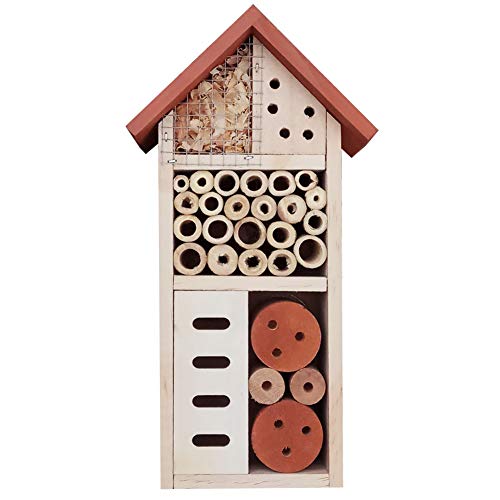
Lulu Home
Lulu Home Wooden Insect House, Hanging Insect Hotel for Bee, Butterfly, Ladybirds, Beneficial Insect Habitat, Bug Hotel Garden, 10.4 X 3.4 X 5.4 Inch
- Shelter for Insect: Lulu Home wooden insect house attracts insects to your garden, and provides them with a safe environment to li…
- Beneficial for Plants: Some insects are really useful that, when they living in the bug house in your garden, they help to recycle…
- Diverse Rooms in One: To settle more species of insects, each gird of the insect hotel is filled with different material and desig…
Understanding Ladybugs and Their Preferences
Before attracting ladybugs, it helps to know what they like. Ladybugs thrive in gardens rich in biodiversity. They prefer habitats that provide not only food but also shelter. Here are some key points to consider:
- Food Sources: Ladybugs primarily feed on aphids, but they also enjoy mealybugs, spider mites, and other soft-bodied pests. Ensuring a population of these pests can help attract them.
- Plants: Ladybugs are particularly attracted to flowering plants. Bright blooms offer nectar and pollen that can draw them in. Consider planting dill, fennel, yarrow, and marigolds.
- Moisture: Ladybugs prefer moist environments but not overly wet conditions. A well-watered garden with a variety of plants can create an attractive habitat.
Creating a Ladybug-Friendly Environment
To effectively attract ladybugs to your garden, you need to create a welcoming environment. Here’s how to do it:
- Plant Diverse Flora: Incorporate a variety of plants that bloom at different times throughout the growing season. This ensures a continuous food supply for ladybugs.
- Avoid Pesticides: Chemical pesticides can harm ladybugs. Consider organic pest control methods or introduce beneficial insects that won’t harm your ladybug population.
- Provide Shelter: Offer safe places for ladybugs to hide and lay eggs. The Lulu Home Wooden Insect House can serve as a perfect shelter, providing a safe environment for ladybugs and encouraging them to stay longer.
- Water Source: A shallow dish of water with stones can provide hydration without drowning the insects. Ladybugs will appreciate the easy access to water.
Using Ladybug Attractants
There are various natural attractants you can incorporate into your garden to draw ladybugs closer:
- Companion Planting: Pair plants that attract ladybugs with those that are prone to pest issues. For example, plant marigolds near vegetables.
- Homemade Attractants: Create a simple sugar-water solution and spray it on your plants. This mimics the nectar found in flowers and can entice ladybugs.
- Ladybug Releases: Purchase ladybugs from local garden centers or online. Release them in the late afternoon when temperatures are cooler and moisture levels are higher.
Comparing Methods to Attract Ladybugs
| Method | Effectiveness | Cost | Time Required |
|---|---|---|---|
| Diverse planting | High | Variable (depends on plants) | Seasonal |
| Using attractants | Medium | Low | Immediate |
| Pesticide-free gardening | High | None | Long-term |
| Ladybug releases | Medium | Moderate | Immediate |
How do I know if ladybugs are in my garden?
Look for clusters of them on the undersides of leaves or near aphid infestations. Their distinctive red and black coloring makes them easy to spot.
What is the best time to release ladybugs?
Late afternoon or early evening is ideal. At these times, temperatures are cooler, which helps the ladybugs acclimate to their new environment.
Will ladybugs leave my garden?
If food sources dwindle or the environment becomes unsuitable (like too dry), ladybugs may leave. Maintaining a diverse and well-watered garden helps keep them around.
Can I attract ladybugs to a small garden?
Yes, even small gardens can attract ladybugs. Focus on planting diverse species and providing shelter, like the Lulu Home Wooden Insect House.
How long does it take for ladybugs to settle in?
It varies, but typically ladybugs will start to settle in within a few days if they find food and shelter adequate.
Final Thoughts for Attracting Ladybugs
- Plant a variety of flowering plants for continuous food sources.
- Avoid pesticides to protect ladybugs and other beneficial insects.
- Provide shelter with products like the Lulu Home Wooden Insect House.
- Create a shallow water source for hydration.
- Consider purchasing ladybugs for immediate results.
- Maintain moisture in your garden for a ladybug-friendly environment.
- Regularly check for aphid populations to ensure ladybugs have food.