Growing Peppers in Containers: A Comprehensive Guide
Contents
Introduction
Imagine stepping out into your backyard and plucking fresh, ripe peppers right from a container. Whether you’re short on space or just prefer the convenience of container gardening, growing peppers in containers offers a rewarding experience. Not only do these vibrant plants beautify your outdoor or indoor space, but they also provide delicious fruits for your culinary creations.
This guide will equip you with everything you need to know about successfully growing peppers in containers. From selecting the right variety to managing soil conditions and watering, you’ll walk away with practical tips to ensure a thriving pepper garden.
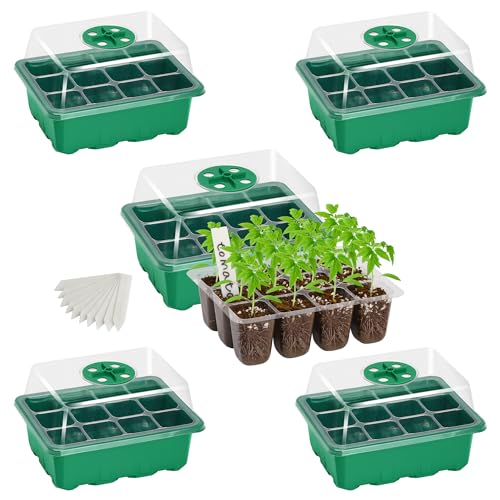
Bonviee
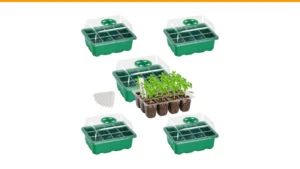
Bonviee 5-Pack Seed Starter Trays, Humidity Dome, Base, 12-Cell Tray, Green
- 【Keep an eye on your plant】: The only design in the market- High quality clear plastic trays of this seed grow kit make it easier…
- 【Total control】: Adjustable vents of this seed trays allow you to regulate the temperature and humidity of your seedling environme…
- 【Perfect for the heat mat】: With its excellent resistance to high and low temperature, these seedling trays are strong enough to b…
For those starting with seeds, consider using the Bonviee 5-Pack Seed Starter Trays. These trays feature humidity domes and adjustable vents, allowing for optimal germination conditions while you monitor your seedlings without disturbing them.
Choosing the Right Pepper Variety
Okay, but how much does this actually matter? Choosing the right pepper variety is crucial for success. Peppers come in many forms, including sweet bell peppers, spicy jalapeños, and flavorful habaneros. Each type has distinct growth requirements.
Here are a few popular varieties suited for container growth:
- Bell Peppers: These are large and sweet, thriving in containers of at least 5 gallons. They require full sun and regular watering.
- Jalapeños: Spicy and versatile, jalapeños grow well in pots of 3-5 gallons. They need similar sunlight and watering conditions.
- Ghost Peppers: Known for their heat, ghost peppers prefer larger containers (5-7 gallons) and a warm, sunny spot.
Selecting a variety that suits your taste and growing conditions sets the stage for a successful harvest.
Container Selection and Soil Conditions
<pHow do I know what container to use? Choosing the right container is just as important as choosing the right variety. Look for pots that are at least 3-5 gallons in size for smaller varieties and 5-7 gallons for larger ones. Ensure they have drainage holes to prevent waterlogging, which can lead to root rot.
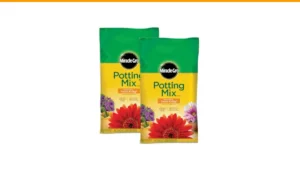
For soil, opt for a high-quality potting mix designed for vegetables. This type of soil retains moisture while allowing for proper drainage. You can also mix in some compost to enrich the soil with nutrients. Aim for a pH of 6.0 to 6.8, as peppers generally prefer slightly acidic to neutral soil.
Watering and Fertilizing
<pSo, what’s the watering game plan? Peppers need consistent moisture but dislike soggy conditions. Water your plants when the top inch of soil feels dry. Typically, this means watering every 2-3 days in warm weather, but adjust based on your climate.
<pFertilizing is essential for healthy growth. Use a balanced fertilizer every 4-6 weeks, particularly one high in potassium to promote fruit development. Organic options like fish emulsion or seaweed extract can work wonders.
Sunlight and Temperature Needs
<pWhat about sunlight? Peppers thrive in full sun, requiring at least 6-8 hours of direct sunlight daily. If you're growing indoors or in a shaded area, consider using grow lights to supplement their needs.
<pTemperature is another factor. Peppers prefer warm conditions, ideally between 70°F to 85°F (21°C to 29°C). If nighttime temperatures drop significantly, consider moving your containers indoors or to a sheltered location to protect the plants.
Comparative Overview of Container Options
| Container Type | Size | Drainage | Best For |
|---|---|---|---|
| Plastic Pots | 3-10 gallons | Good | All pepper varieties |
| Fabric Pots | 5-15 gallons | Excellent | Root development |
| Ceramic Pots | 5-10 gallons | Moderate | Decorative, all varieties |
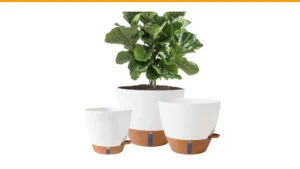
| Self-Watering Pots | 5-10 gallons | Very good | Consistent moisture |
Frequently Asked Questions
Can I grow peppers indoors?
<pAbsolutely! Just ensure they receive enough light, either from a sunny window or supplemental grow lights.
How often should I fertilize my pepper plants?
<pFertilize every 4-6 weeks with a balanced fertilizer to encourage healthy growth and fruit production.
What pests should I watch out for?
<pCommon pests include aphids, spider mites, and whiteflies. Regularly inspect your plants and use insecticidal soap if needed.
How can I tell when my peppers are ready to harvest?
<pPeppers are typically ready to harvest when they reach their full size and color. Refer to specific variety guidelines for the best time.
Can I reuse potting soil from last year?
<pIt's best to refresh potting soil by mixing in new nutrients. If reusing, consider sterilizing it to eliminate any pathogens.
Final Thoughts
- Choose pepper varieties suited for your climate and taste.
- Select containers that provide adequate space and drainage.
- Use quality potting mix and enrich it with compost.
- Water consistently, adjusting based on climate conditions.
- Fertilize every few weeks for optimal growth.
- Ensure peppers receive full sunlight for best results.
- Monitor for pests and take action if necessary.