
Imagine stepping into your backyard, where lush greens cascade from above, creating a vibrant tapestry of vegetables hanging in baskets. The charm of hanging basket vegetable gardens lies in their ability to transform limited spaces into productive plots. Whether you have a small patio, balcony, or even just a sunny window, these gardens allow you to grow fresh produce without sacrificing space.
This article will guide you through the essentials of setting up and maintaining a hanging basket vegetable garden. You’ll learn about the best vegetables to grow, how to ensure healthy plants, and practical tips for maximizing your yield. Plus, we’ll introduce you to a useful product that can help streamline your gardening efforts.
Pri Gardens
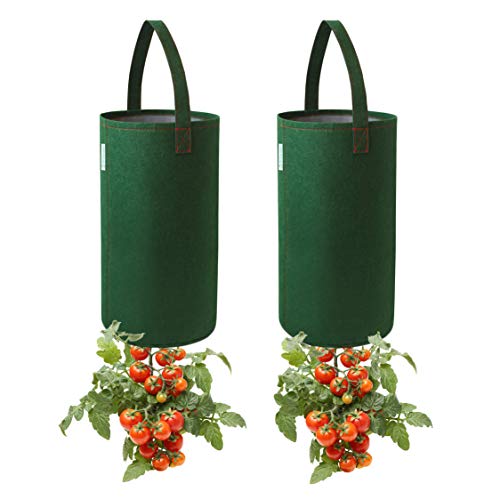
Pri Gardens Upside Down Tomato Planter, 2- Pack(Requires Plants,Soil and Fertilizer, not Included)
- Easy Planting: No need to tie up vines or bend down for planting. Tomatoes and vegetables grow upright for easy access.
- Space Saving: Upside down design saves space and utilizes gravity to maximize nutrient supply to roots.
- Healthy Roots: Fabric material naturally prunes roots and allows maximum oxygen for healthy growth.
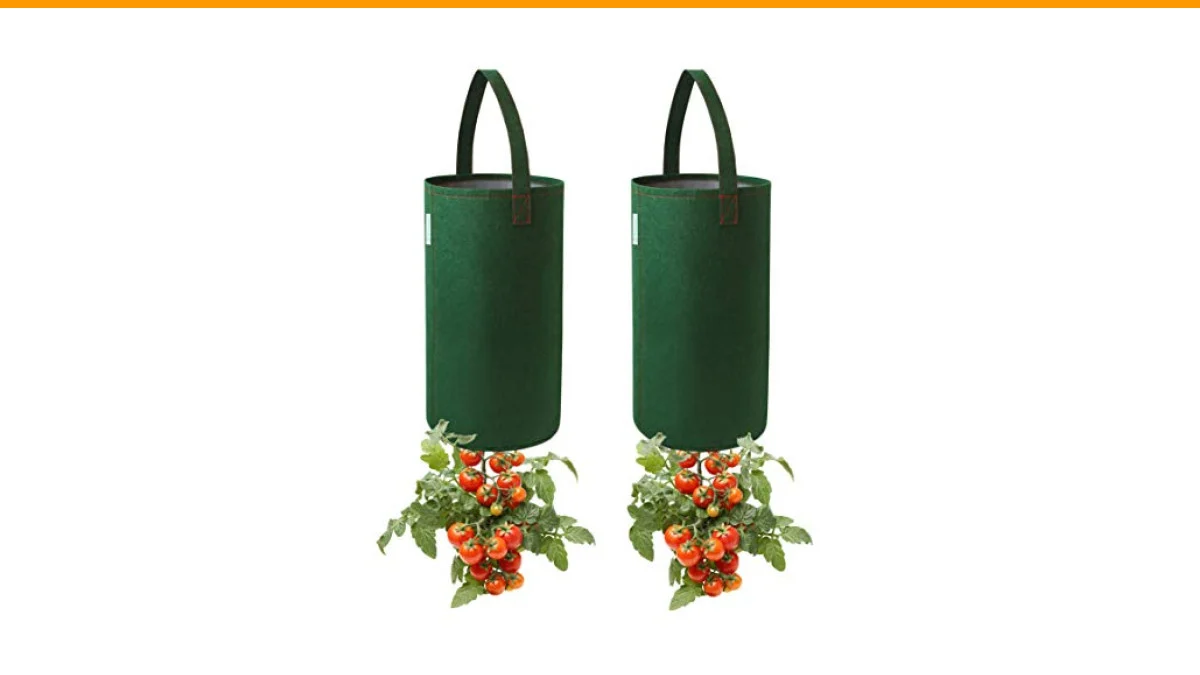
The Pri Gardens Upside Down Tomato Planter can simplify your gardening tasks. This two-pack planter allows you to grow tomatoes and other vegetables upright, saving space and making it easier to access your plants without bending down. The unique design promotes healthy root growth and maximizes nutrient supply, perfect for any hanging garden enthusiast.
Choosing the Right Vegetables for Hanging Baskets
Not every vegetable thrives in a hanging basket. Opt for those that naturally grow upward or have a manageable size. Here’s a list of popular choices:
- Cherry Tomatoes: They are compact and produce a high yield.
- Strawberries: These fruits are perfect for hanging as they need space to spread.
- Herbs: Basil, cilantro, and parsley thrive in hanging baskets.
- Peppers: Smaller pepper varieties work well in confined spaces.
- Salad Greens: Lettuce and spinach can grow quickly and are easy to harvest.
When selecting your plants, consider their sunlight and watering needs. Most vegetables benefit from at least six hours of sunlight each day, so choose a location that receives adequate light.
Setting Up Your Hanging Basket Vegetable Garden
Creating a successful hanging basket vegetable garden involves several key steps:
- Select the Right Baskets: Choose baskets that are at least 12 inches deep to hold enough soil and water.
- Use Quality Potting Mix: A lightweight potting mix with good drainage is crucial for hanging baskets.
- Planting: When planting, ensure you don’t overcrowd the basket. A general rule is to plant one or two larger plants per basket or several smaller ones.
- Watering: Hanging baskets tend to dry out faster. Water regularly, ensuring the soil remains moist but not soggy.
- Fertilizing: Use a balanced fertilizer every few weeks to promote healthy growth.
Pro tip: Consider adding a layer of mulch on top of the soil to help retain moisture and reduce weed growth.
Maintaining Your Hanging Basket Vegetable Garden
Maintenance is crucial for the success of your hanging basket garden. Here are some key considerations:
- Regular Pruning: Prune dead or yellowing leaves to encourage growth and prevent disease.
- Pest Control: Inspect your plants regularly for pests. Use insecticidal soap if necessary.
- Sunlight Exposure: Rotate your baskets occasionally to ensure all sides receive equal sunlight.
- Harvesting: Pick fruits and vegetables regularly to encourage further production.
Remember, each type of vegetable may have unique care requirements, so always research specific needs for best results.
| Vegetable | Sunlight Needs | Watering Frequency | Best Season |
|---|---|---|---|
| Cherry Tomatoes | 6-8 hours | Every 2-3 days | Summer |
| Strawberries | 6-8 hours | Every 2-3 days | Spring to Fall |
| Basil | 6-8 hours | Every 3-4 days | Summer |
| Peppers | 6-8 hours | Every 2-3 days | Summer |
| Lettuce | 4-6 hours | Every 2 days | Spring to Fall |
What are the benefits of hanging basket vegetable gardens?
Hanging basket vegetable gardens save space, make harvesting easier, and can reduce pest issues since they are elevated off the ground. They also add visual interest to your garden.
Can I use regular soil in hanging baskets?
Using regular garden soil isn’t recommended. A lightweight potting mix with good drainage is essential for the health of your plants.
How often should I water my hanging baskets?
Generally, hanging baskets need water every 2-3 days, but this can vary based on climate and plant type. Always check the soil moisture before watering.
What vegetables grow best in partial shade?
Vegetables like lettuce, spinach, and certain herbs can thrive in partial shade, making them ideal for hanging baskets in less sunny spots.
Can I grow fruits in hanging baskets?
Yes, many fruits like strawberries and small tomatoes can thrive in hanging baskets, providing a productive and visually appealing option for your garden.
Final Thoughts on Hanging Basket Vegetable Gardens
- Choose the right vegetables for your space and light conditions.
- Use a quality potting mix to ensure proper drainage.
- Water regularly and monitor for pests and diseases.
- Rotate baskets to promote even sunlight exposure.
- Harvest frequently to encourage growth.
- Consider using products like the Pri Gardens Upside Down Tomato Planter for ease of use.
- Explore more gardening tips and tools for a thriving garden.
For additional insights on gardening tools, check out best garden tool organizers and building a raised garden.


