Are Drainage Holes in Pots Necessary?
Contents
Every plant enthusiast has faced the challenge of keeping their beloved plants healthy and thriving. You water your plants, only to find that the soil remains soggy, leading to yellowing leaves and root rot. A common yet often overlooked solution lies in the design of the pots themselves. Specifically, drainage holes in pots play a vital role in maintaining the health of your plants. In this article, you’ll discover why these holes are essential and how to choose the right pots for optimal growth.
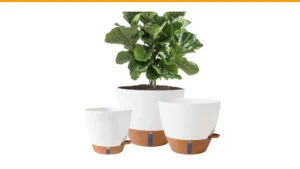
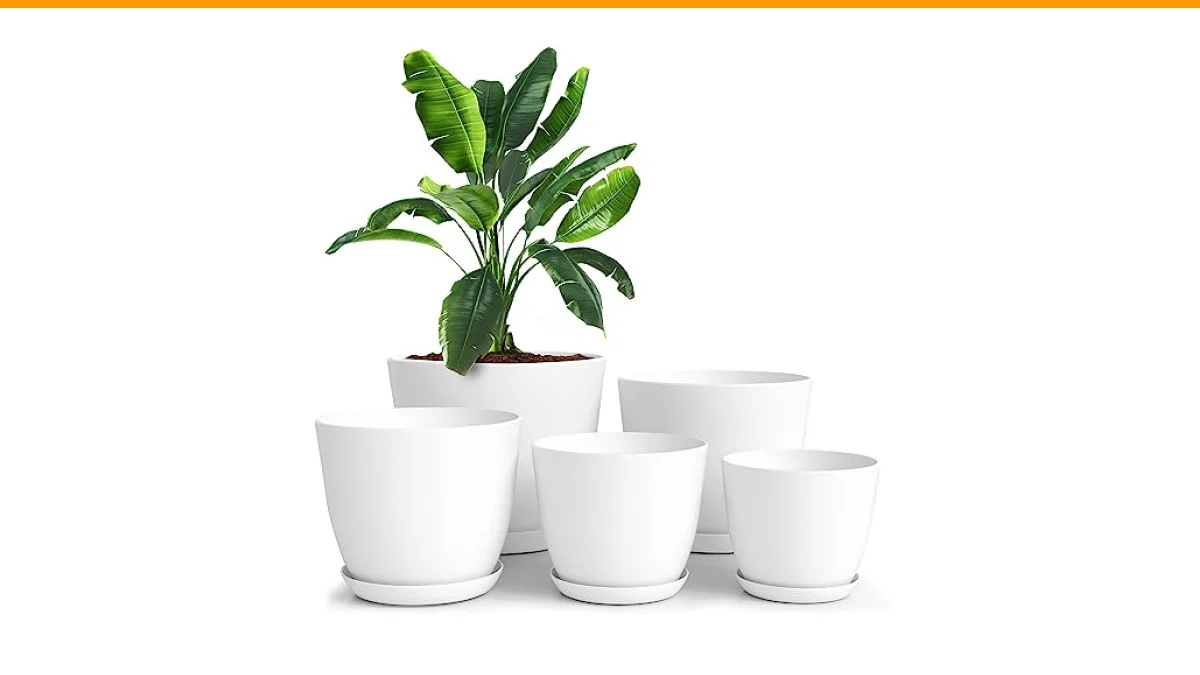
Understanding the importance of drainage holes will empower you to make better choices for your plants. This guide will cover why drainage is necessary, how it affects plant health, and what options you have when selecting pots. For instance, the Utopia Home Plant Pots Indoor with Drainage provide a range of sizes and features, making them suitable for various indoor plants and ensuring proper drainage.

Utopia Home
Plant Pots Indoor with Drainage, 5 Pack Multi-Size Planters Set, White
- Plant Pots / Flower Pots - Invest in a beautiful garden to harvest the seeds of love, with the set of pots for indoor or outdoor p…
- Multiple Sizes – This nursery plant pots indoor comprises multi-size pots – Extra Large (7” W x 5.9” H), Large (6.6” W x 5.4” H),…
- Impeccable Febrication - Make the pots ideal for both original and fake plants comprises of reinforced PP plastic. The hassle-free…
The Importance of Drainage Holes
Drainage holes are critical for several reasons. Firstly, they prevent water from accumulating at the bottom of the pot, which can lead to root rot. Roots need oxygen to thrive, and standing water deprives them of this vital element. Secondly, drainage holes help maintain an optimal moisture level in the soil, allowing you to water your plants more effectively.
Consider the specific conditions your plants need. For example, succulents and cacti thrive in well-draining environments, while tropical plants may prefer a bit more moisture. Regardless of the plant type, drainage holes are generally a must-have.
How to Manage Soil Moisture
Moisture management is essential for plant health. Here are a few strategies:
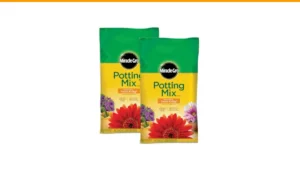
- Choose the Right Soil: Use a potting mix designed for the specific plant type. For instance, a gritty mix suits succulents, while a moisture-retaining blend works better for ferns.
- Watering Practices: Water your plants only when the top inch of soil feels dry. This practice helps avoid overwatering.
- Monitor Drainage: Ensure that the drainage holes are clear and not blocked by roots or soil. Regularly check and clean as needed.
Choosing the Right Pots
When selecting pots, consider those with drainage holes. The Utopia Home set includes pots of various sizes, each designed with drainage plugs to manage excess water effectively. Here are some key features to look for:
- Material: Opt for pots made from materials that allow for breathability, such as ceramic or reinforced plastic.
- Size: Ensure the pot size matches your plant’s root system. A pot too small can restrict growth.
- Design: Look for pots that complement your decor while serving their functional purpose.
Comparison of Pots with and without Drainage Holes
| Feature | Pots with Drainage Holes | Pots without Drainage Holes |
|---|---|---|
| Water Accumulation | Prevents excess water buildup | Can lead to stagnant water |
| Root Health | Promotes healthy root growth | Risk of root rot |
| Soil Moisture | Allows for better moisture control | Soil can dry out unevenly |
| Plant Types | Suitable for most plants | Limited to moisture-loving plants |
Frequently Asked Questions
1. Are drainage holes necessary for all plants?
While most plants benefit from drainage holes, some moisture-loving plants can thrive in pots without them. However, it’s generally safer to choose pots with drainage.
2. How can I add drainage to a pot without holes?
You can add a layer of gravel or stones at the bottom of the pot to create space for excess water to collect. However, this is not as effective as using pots designed with drainage holes.
3. What happens if my plant pot has no drainage?
A pot without drainage can lead to root rot and other issues due to water accumulation. It may also result in poor growth and yellowing leaves.
4. How often should I water plants in pots with drainage holes?
Watering frequency depends on the plant type and environmental conditions. Generally, check the top inch of soil; if it’s dry, it’s time to water.
5. Can I use potting soil in pots with drainage holes?
Yes, using potting soil in pots with drainage holes is advisable. Ensure it is appropriate for your specific plant type for best results.
Final Thoughts on Pot Drainage
- Always choose pots with drainage holes for healthier plants.
- Monitor soil moisture and adjust your watering habits accordingly.
- Opt for pots that fit your plant’s size and type.
- Consider the materials used in your pots for optimal breathability.
- Regularly check drainage holes to ensure they remain clear.
- Using the right soil mix can enhance moisture management.
- Explore different pot designs to find what suits your aesthetic.
Understanding the necessity of drainage holes in pots can revolutionize your plant care routine. Make informed choices to cultivate a thriving indoor or outdoor garden.