Mastering Succession Planting in Containers
Contents
Imagine this: you’ve just harvested a batch of delicious lettuce from your balcony garden. Instead of waiting weeks for the next crop, you want to plant something new right away. This is where succession planting in containers becomes a game-changer. This method allows you to maximize your gardening space and ensure a continuous supply of fresh produce, even if you’re limited to pots and planters.
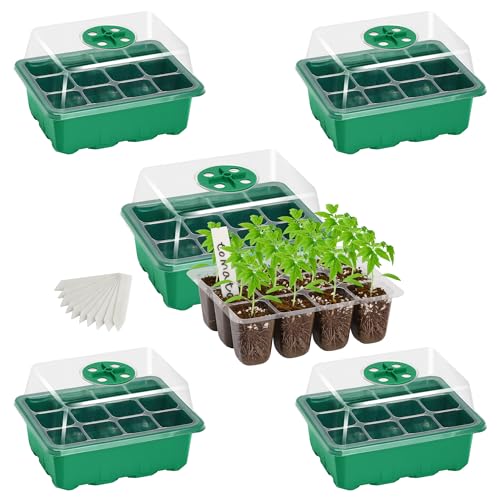
In this article, you’ll discover practical strategies and tips for implementing succession planting in containers. You’ll learn how to select the right crops, manage timing, and make the most out of your limited space. Plus, we’ll introduce a useful tool that can help you get started: the Bonviee 5-Pack Seed Starter Trays. These trays not only simplify the seed germination process but also allow for better observation and control of your seedlings.
Bonviee
Bonviee 5-Pack Seed Starter Trays, Humidity Dome, Base, 12-Cell Tray, Green | Adjustable Vents Control Humidity & Temperature, Clear Trays Monitor Roots Without Disturbing Seedlings, Ideal for Indoor Use
- 【Keep an eye on your plant】: The only design in the market- High quality clear plastic trays of this seed grow kit make it easier…
- 【Total control】: Adjustable vents of this seed trays allow you to regulate the temperature and humidity of your seedling environme…
- 【Perfect for the heat mat】: With its excellent resistance to high and low temperature, these seedling trays are strong enough to b…

Understanding Succession Planting
Succession planting is the practice of growing different crops in the same space sequentially throughout the growing season. This technique is especially beneficial for container gardening, where space is limited. Instead of planting all your seeds at once and waiting for them to mature, succession planting allows you to stagger your plantings, ensuring a steady harvest.
Consider the growth cycles of your chosen plants. Fast-growing crops like radishes and lettuce can be planted every few weeks, while slower-growing plants such as tomatoes and peppers may need more time. Pairing quick and slow-growing plants can maximize harvests and keep your containers productive.
Choosing the Right Crops
Not all crops are suitable for succession planting. When selecting plants, consider their growth rates, space requirements, and compatibility. Here’s a breakdown of some excellent choices:
- Fast-growing crops: Radishes, lettuce, and spinach can be harvested within 30 to 50 days. Plant these every couple of weeks for continuous yields.
- Medium-growing crops: Beans and carrots take around 50 to 70 days. Sow them to fill in gaps after harvesting fast crops.
- Slow-growing crops: Tomatoes, peppers, and eggplants can take 70 to 90 days. Start these early in the season to maximize your growing potential.
Timing Your Plantings
Timing is crucial in succession planting. To effectively space your plantings, you need to be aware of each plant’s growth cycle. Here’s a simple method to follow:
- Choose a planting calendar based on your local climate and frost dates.
- Start with your earliest crops. For example, plant lettuce and radishes in early spring.
- As you harvest these crops, replace them with medium or slow-growing plants. For instance, once you’ve harvested your first lettuce batch, sow beans in that container.
- Keep a log of your planting and harvesting dates. This improves your timing and helps you plan for future seasons.
Tools for Successful Succession Planting
Using the right tools can make succession planting in containers much easier. The Bonviee Seed Starter Trays are particularly useful. Their design allows for clear observation of seed growth without disturbing the process. Adjustable vents help regulate humidity and temperature, providing an optimal environment for seedlings. Additionally, their size accommodates larger seeds, which is essential for diverse crop choices.
Comparative Overview of Container Planting Techniques
| Technique | Best For | Growth Cycle | Notes |
|---|---|---|---|
| Single Planting | Single crop harvest | Varies | Less efficient use of space |
| Succession Planting | Continuous harvest | Varies (staggered) | Maximizes yield |
| Intercropping | Diverse crops | Varies | Requires careful planning |
Frequently Asked Questions
1. What can I plant for succession planting in containers?
You can plant fast-growing crops like lettuce, radishes, and spinach, alongside medium-growing crops like beans and carrots. For a full season, incorporate slower-growing crops like tomatoes and peppers.
2. How often should I plant my crops?
A common practice is to plant every two weeks for fast-growing crops. Adjust this timing based on the growth rates of your chosen plants.
3. Can I use the same container for different crops?
Yes, as long as you stagger your plantings and consider the compatibility of the crops. Ensure that faster-growing plants don’t shade out slower ones.
4. How do I manage pests in container gardens?
Regularly inspect your plants and use organic pest control methods, such as neem oil or insecticidal soap. Maintaining healthy soil and proper watering also helps reduce pest issues.
5. What are the benefits of using seed starter trays?
Seed starter trays, like those from Bonviee, allow for better seedling management, improved observation, and controlled growing conditions, enhancing your chances of a successful garden.
Final Thoughts on Succession Planting
- Plan your crops based on growth cycles for effective succession planting.
- Combine fast and slow-growing plants to maximize container efficiency.
- Keep a log of planting and harvesting dates for future reference.
- Invest in quality seed starter trays for better seedling management.
- Stay vigilant about pests to maintain healthy plants.
- Explore different planting techniques to find what works best for your space.
- Enjoy the rewards of continuous harvests throughout the season.