Choosing the Best Potting Soil for Containers
Contents
Gardening in containers offers a convenient way to cultivate plants, but choosing the right potting soil can feel overwhelming. You might have experienced the frustration of plants that struggle to thrive, despite your best efforts. The right potting soil can make a significant difference, providing the necessary nutrients, drainage, and aeration your plants need to flourish.
This article will guide you through selecting the best potting soil for containers. You’ll learn about the essential components of high-quality potting soil, how to assess different types, and practical recommendations to boost your gardening success.

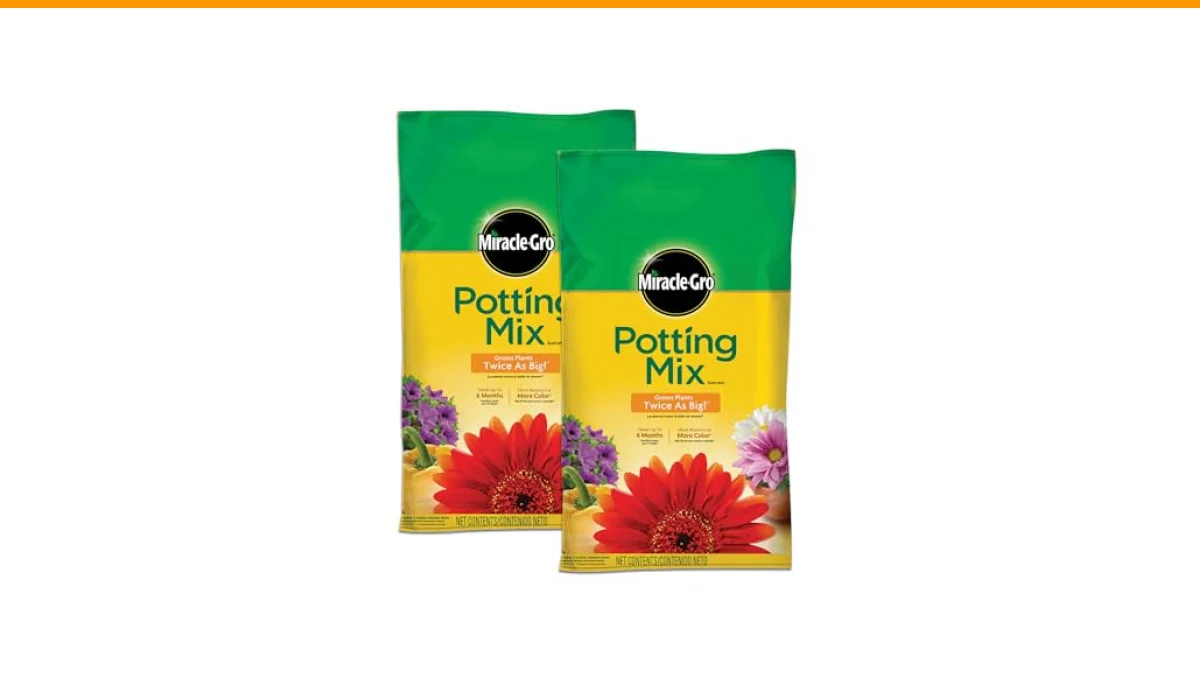
Miracle-Gro
Miracle-Gro Potting Mix, 16 qt. (2-Pack)
- FEEDS UP TO 6 MONTHS: Miracle-Gro Potting Mix is a gardening soil for outdoor containers that feeds all types of potted plants, in…
- PROMOTES GROWTH: This potting soil for outdoor plants Grows Plants Twice As Big! (vs. unfed plants)
- WHERE TO USE: Use this home gardening product with all types of outdoor container plants, including annual and perennial flowers,…
One popular choice among gardeners is the Miracle-Gro Potting Mix. This product feeds plants for up to six months, supporting a wide range of flowers, vegetables, and shrubs. It’s a reliable option that many gardeners trust.
Understanding Potting Soil Components
What makes potting soil effective? A good potting mix consists of several key components:
- Organic Matter: Ingredients like peat moss or coconut coir retain moisture and provide nutrients.
- Perlite or Vermiculite: These materials improve drainage and aeration, preventing soil compaction.
- Fertilizers: Slow-release nutrients help feed plants over time.
- pH Balance: Most plants prefer a slightly acidic to neutral pH (around 6.0 to 7.0).
Each ingredient plays a role in the overall health of your plants. For instance, without adequate drainage, roots may rot, and without enough organic matter, plants won’t thrive. Understanding these components helps in selecting the best potting soil for containers.
Types of Potting Soil
Okay, but how much does this actually matter? The type of potting soil affects water retention, drainage, and nutrient availability. Here are some common types:
- Standard Potting Mix: Suitable for most container plants, this mix usually contains peat moss, perlite, and fertilizers.
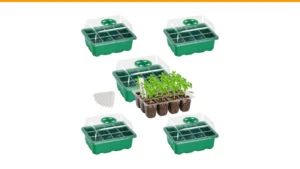
- Seed-Starting Mix: This is lighter and finer, designed for starting seeds and young plants. It has less fertilizer and is usually sterile.
- Cactus and Succulent Mix: This type features a higher proportion of gritty materials to ensure excellent drainage.
- Orchid Mix: Made from bark and sphagnum moss, it provides excellent aeration for orchids and other epiphytes.
Choosing the right type of potting soil can significantly impact the health of your plants. For example, a succulent planted in standard potting mix may struggle because it retains too much moisture. In contrast, the right cactus mix allows those plants to thrive.
Choosing the Best Potting Soil for Your Needs
How do you select the best potting soil for your specific plants? Consider the following factors:
- Plant Type: Different plants have varying needs. Flowering plants and vegetables may thrive in nutrient-rich mixes, while succulents require well-draining soil.
- Container Size: Larger containers can hold more soil, which may retain moisture longer. Adjust your soil choice based on the size of your container.
- Environmental Conditions: If you live in a humid climate, select a mix that allows for good drainage to prevent root rot.
Testing different mixtures can be valuable. For example, you might find that a blend of standard potting mix with additional perlite works best for your vegetable garden.
Comparative Table of Potting Soil Options
| Type | Best For | Features |
|---|---|---|
| Standard Potting Mix | Most container plants | Balanced nutrients, moisture retention |
| Seed-Starting Mix | Seeds and young plants | Fine texture, low nutrients |
| Cactus Mix | Succulents | High drainage, gritty texture |
| Orchid Mix | Orchids | Aeration-focused, bark-based |
What is the difference between potting soil and garden soil?
Potting soil is specifically formulated for container gardening. It has a lightweight texture with better drainage and aeration. Garden soil, on the other hand, is denser and may not provide sufficient drainage for potted plants.
Can I use regular soil in containers?
Using regular soil in containers is not recommended. It can lead to poor drainage and compaction, which can harm plants. Always opt for a lightweight potting mix for container gardening.
How often should I replace potting soil in containers?
It’s advisable to refresh potting soil every year or two. Over time, nutrients deplete, and soil can compact, reducing aeration and drainage. Replacing it ensures your plants receive adequate nutrients.
Can I mix different types of potting soil?
Yes, mixing different potting soils can tailor the mix to suit specific plants. For example, combining a standard mix with perlite can benefit plants needing extra drainage.
What is the best way to store potting soil?
Store potting soil in a cool, dry place. Keep it in sealed bags or containers to prevent moisture retention, which can lead to mold growth.
Actionable Takeaways
- Choose potting soil based on the type of plants you’re growing.
- Look for mixes with organic matter, perlite, and slow-release fertilizers.
- Consider climate and container size when selecting soil.
- Refresh potting soil every year or two for optimal plant health.
- Experiment with different soil types to find what works best for your plants.
- Store potting soil in a dry, sealed environment to maintain its quality.
Finding the best potting soil for containers can significantly impact your gardening success. With the right knowledge and products like Miracle-Gro Potting Mix, you can create a thriving container garden that flourishes all season long.