Optimal Container Sizes for Growing Tomatoes
Contents
Understanding the Right Container Size for Tomatoes
Growing tomatoes can be a rewarding experience, but selecting the right container size is crucial for healthy plant development. Whether you have a small balcony or a spacious garden, knowing how much space your tomato plants need can prevent common issues like stunted growth or insufficient yield. This article will provide valuable insights into the ideal container sizes for tomatoes, helping you cultivate a thriving garden.
Imagine setting up your first tomato plants only to find they’re not growing as expected. Many new gardeners overlook container size, believing any pot will do. However, the right container size for tomatoes directly affects root growth, moisture retention, and overall plant health. In this article, you’ll learn about the optimal sizes, the importance of drainage, and how specific varieties impact your choice.

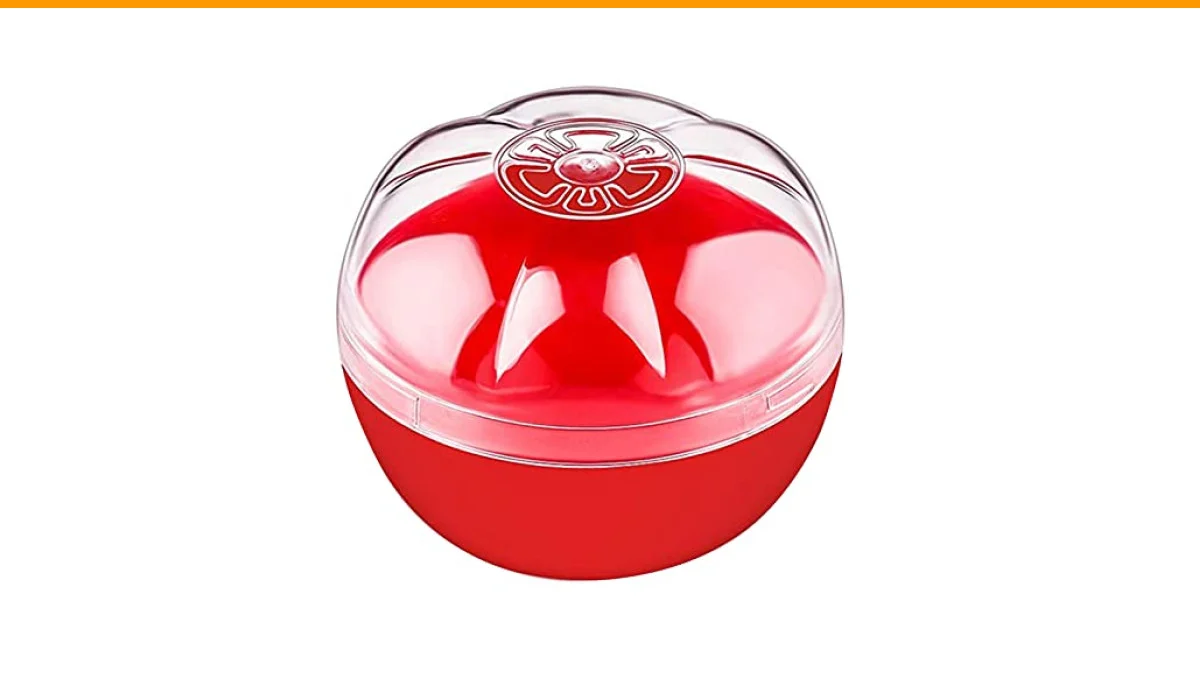
DIMVKA
DIMVKA Tomato Storage Containers, Tomato Saver Keeper Fruit and Vegetable Storage Holder for Fridge
- 【Safe Quality】The tomato saver is made of high quality ABS, non-toxic, BPA free. Keep the cut onions fresh longer
- 【Beautiful & Practical Design】Tomato shape design with transparent lid, it's recognizable and never get lost and forgotten in the…
- 【Good Sealing】The tomato keeper is with fine sealing performance, rotate the lid to open and close, not easy to taint of odor.
For those interested in keeping your tomatoes fresh after harvest, consider the DIMVKA Tomato Storage Container. This practical solution not only preserves the freshness of cut tomatoes but also features a charming design that ensures it doesn’t go unnoticed in your fridge.
Choosing the Right Container Size
Container size is vital for tomato growth. Generally, most tomato varieties require a minimum of 5 gallons of soil. However, larger varieties, such as beefsteaks, thrive in containers of 10 gallons or more. Here are specific recommendations:
- Small Varieties: 5-gallon pots are sufficient for cherry and grape tomatoes.
- Medium Varieties: Use 7 to 10-gallon containers for determinate tomatoes.
- Large Varieties: Beefsteak and heirloom tomatoes need 10-15 gallon pots.
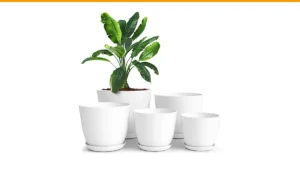
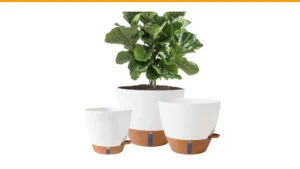
When selecting a container, consider the height as well. Taller pots allow for deeper root systems, which are essential for nutrient uptake. Additionally, ensure the container has adequate drainage holes to prevent waterlogging.
Common Misconceptions About Container Sizes
Smaller Containers Are Just as Good
A prevalent myth is that smaller containers can suffice for all tomato varieties. While some gardeners have had success with smaller pots, most tomatoes will struggle in limited space. Smaller containers restrict root growth, leading to water stress and nutrient deficiencies.
Any Material Works for Containers
Not all materials are suitable for growing tomatoes. While plastic containers are lightweight and affordable, they can heat up quickly in the sun, potentially harming roots. Clay pots provide better insulation but can be heavy and may dry out faster. Choose a material that balances weight, insulation, and drainage.
Container Size Comparison Table
| Tomato Variety | Recommended Container Size | Container Type |
|---|---|---|
| Cherry Tomatoes | 5 gallons | Plastic or clay |
| Determinate Varieties | 7-10 gallons | Plastic, clay, or fabric |
| Indeterminate Varieties | 10-15 gallons | Plastic or fabric |
| Beefsteak Varieties | 10-15 gallons | Fabric or large clay |
Frequently Asked Questions
How often should I water tomato plants in containers?
Container plants typically need more frequent watering than those in the ground. Check the soil daily, and water when the top inch feels dry. In hot weather, you may need to water twice a day.
Can I grow multiple tomato plants in one container?
It’s best to avoid overcrowding. Generally, one tomato plant per container is ideal to ensure it has enough space and nutrients. If using a larger container (15 gallons or more), you might fit two smaller varieties.
What type of soil should I use for tomatoes in containers?
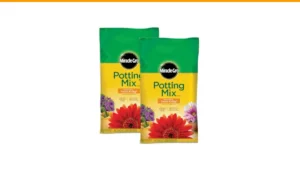
Use a high-quality potting mix designed for container gardening. It should have good drainage and retain moisture. Avoid using garden soil, as it can compact and limit root growth.
Should I use fertilizer for container-grown tomatoes?
Yes, container-grown tomatoes benefit from regular feeding. Use a balanced fertilizer every few weeks, following the package instructions. A fertilizer high in phosphorus promotes fruit development.
Is it possible to overwater tomatoes in containers?
Yes, overwatering can lead to root rot. Ensure your container has proper drainage and monitor the moisture level. Water only when necessary.
Final Thoughts on Container Sizes for Tomatoes
- Choose the right container size based on the tomato variety.
- 5-gallon pots are sufficient for small varieties.
- Use 10-gallon or larger pots for beefsteak and heirloom tomatoes.
- Ensure containers have good drainage to prevent root rot.
- Monitor soil moisture closely, especially in hot weather.
- Consider the material of your container for optimal root health.
- Regularly fertilize to support healthy growth and fruit production.