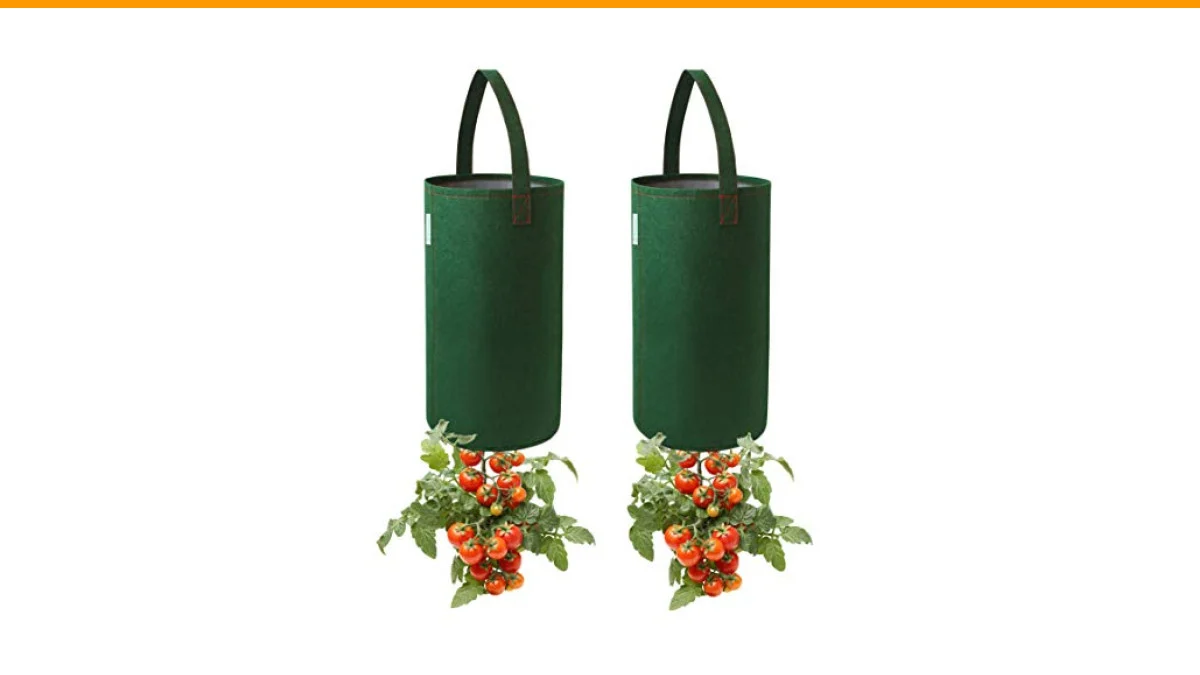
Imagine living in a small apartment with limited outdoor space, yet you dream of fresh herbs, vibrant flowers, or even home-grown vegetables. It can feel impossible to cultivate a garden that meets your aspirations. Fortunately, vertical container gardening provides a solution that allows you to transform even the tiniest balcony or patio into a flourishing green space.
This article will guide you through the essentials of vertical container gardening, from choosing the right containers to effective planting techniques. By the end, you’ll have the knowledge needed to create your own vertical garden, maximizing both your space and your gardening potential.

VECELO
VECELO 5 Tier Vertical Garden Planter, Self Watering Stackable Planters with Wheels for Strawberries, Herbs, Flowers, Vegetables, White
- Space-Saving : This strawberry planter maximizes your gardening space by stacking 5 layers to grow more plants in a compact area.…
- Efficient Self-Draining: This vertical garden planter’s built-in drainage feature prevents waterlogging, keeping plants healthy by…
- Soil Moisture Retention: Designed to maintain ideal moisture levels, the vertical planter keeps soil hydrated longer, reducing the…
For those looking for a practical solution, the VECELO 5 Tier Vertical Garden Planter offers an excellent starting point. This self-watering, stackable planter is designed to accommodate a variety of plants while saving space, making it ideal for urban gardeners.

Understanding Vertical Container Gardening
Vertical container gardening involves growing plants in vertically stacked layers, which optimizes limited space and enhances accessibility. This method can be particularly beneficial for those living in urban areas, where ground space may be scarce. Vertical gardens can be constructed using a range of materials, including pots, pallets, and trellises, allowing for creativity in both design and functionality.
One notable advantage of vertical gardening is its ability to improve air circulation and sunlight exposure for plants. With proper arrangement, plants can receive adequate light without overcrowding. This method also helps reduce the risk of pests since the plants are elevated off the ground.
Choosing the Right Containers
Selecting appropriate containers is critical for successful vertical gardening. Here are some key considerations:
- Size: Choose containers that match the growth potential of the plants you want to grow. Smaller herbs may thrive in smaller pots, while larger vegetables require more space.
- Material: Containers can be made from plastic, wood, metal, or ceramic. Consider weight and drainage when selecting materials. For example, plastic containers are lightweight and easy to move, while ceramic can provide aesthetic value.
- Drainage: Ensure containers have drainage holes to prevent waterlogging. This is crucial for root health and overall plant vitality.
The VECELO 5 Tier Vertical Garden Planter perfectly embodies these principles. Its five-layer design allows you to grow different plants simultaneously while its self-watering feature reduces maintenance needs.
Optimal Plant Selection for Vertical Gardens
When choosing plants for your vertical garden, consider their growth habits and sunlight requirements. Here are some popular options suitable for vertical gardening:
- Herbs: Basil, mint, and parsley grow well in smaller containers and can thrive in limited light conditions.
- Flowers: Petunias and marigolds add color and can cascade beautifully over edges.
- Vegetables: Compact varieties of tomatoes, peppers, and strawberries are ideal for vertical setups.
Mixing different plant types can create a visually appealing garden while enabling you to enjoy a variety of flavors and blooms.
Effective Watering and Maintenance
Watering vertical gardens can be trickier than traditional gardens. Here are some tips for effective watering:
- Self-Watering Systems: Consider using containers with built-in self-watering features, like the VECELO planter. This helps maintain consistent moisture levels.
- Watering Schedule: Monitor soil moisture regularly. Water when the top inch of soil feels dry to the touch.
- Fertilization: Use a balanced fertilizer to support plant growth, following the recommended application rates for your specific plants.
Regular maintenance, such as pruning and pest inspection, will also ensure your vertical garden remains healthy and productive.
| Container Type | Pros | Cons |
|---|---|---|
| Plastic Pots | Lightweight, affordable, easy to move | Poor insulation, can degrade in sunlight |
| Wood Planters | Natural look, good insulation | Can rot over time, heavier |
| Ceramic Pots | Attractive, good drainage | Heavy, can crack in frost |
| Fabric Grow Bags | Excellent drainage, breathable | Less durable, may need replacing |
What plants can I grow in a vertical container garden?
You can grow a variety of plants, including herbs like basil and mint, flowers such as petunias, and compact vegetables like cherry tomatoes and peppers.
How often should I water my vertical garden?
Watering frequency depends on the plants and climate. Check the soil moisture regularly and water when the top inch feels dry. Self-watering systems can help maintain moisture levels.
Can I use a vertical garden indoors?
Yes, vertical gardens can be created indoors. Ensure adequate light, either through natural sunlight or grow lights, to support plant growth.
What are the benefits of vertical gardening?
Vertical gardening maximizes space, improves air circulation, and enhances sunlight exposure. It can also reduce pest problems and make gardening more accessible.
How do I maintain a vertical container garden?
Regular watering, fertilizing, pruning, and pest inspection are key to maintaining a healthy vertical garden. Using self-watering containers can also simplify maintenance.
Final Thoughts on Vertical Gardening
- Vertical container gardening is ideal for small spaces.
- Choosing the right containers and plants is crucial.
- Implement self-watering systems to ease maintenance.
- Regularly monitor soil moisture and adjust watering accordingly.
- Mix plants for aesthetic appeal and diverse harvests.
- Consider mobility for optimal sunlight exposure.
- Explore different materials for containers to find what works best for your space.