Starting a garden can feel overwhelming, especially if you’re not sure where to begin. You might picture a lush oasis, but the thought of planning and executing that vision can be daunting. Many beginners struggle with choosing the right plants or figuring out how to layout their space. The good news is that with a structured approach, you can create a beautiful garden that suits your style and environment.
This guide will walk you through the essential steps of garden design for beginners, breaking down each part of the process. You’ll learn how to assess your space, select suitable plants, and create a cohesive design. By the end, you’ll have a clear plan to start your gardening journey.

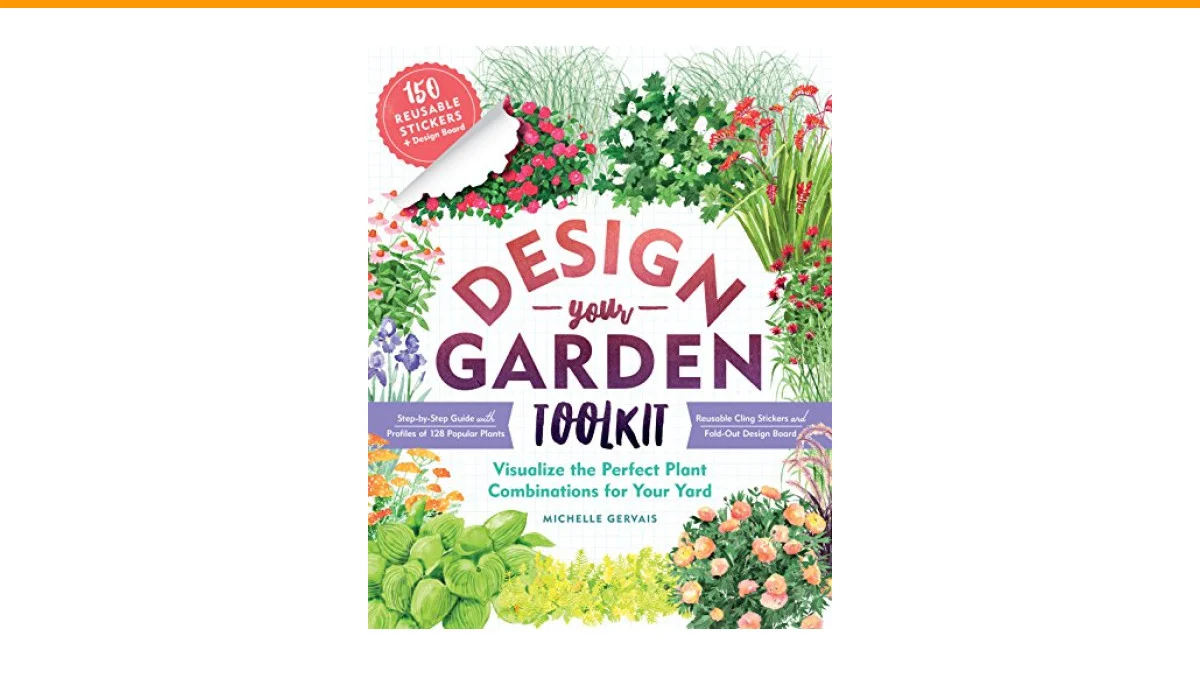
For a more hands-on approach, consider the Design-Your-Garden Toolkit. This resource provides a step-by-step guide with profiles of popular plants, reusable cling stickers, and a fold-out design board to help visualize your ideas.
Assessing Your Space
Before diving into the fun part of planting, take time to evaluate your garden space. Understanding your environment is crucial for successful garden design. Start by considering the following factors:
- Sunlight: Observe how much sun your space receives throughout the day. Most flowering plants need at least 6 hours of sunlight.
- Soil Type: Test your soil to determine its pH and nutrient levels. This will influence your plant choices.
- Climate: Consider your local climate and hardiness zone. Research which plants thrive in your area.
Taking accurate measurements of your garden area is equally important. Create a simple sketch of the layout, noting existing structures, trees, and any other features that might affect your design.
Creating a Design Plan
With a clear understanding of your space, you can start planning your garden design. Here are steps to follow:
- Choose a Style: Decide on the aesthetic you want. Options include formal, cottage, tropical, or minimalist gardens.
- Define Garden Zones: Break your garden into zones for different plant types, such as ornamental, edible, and functional areas.
- Select Plants: Choose plants that suit your climate, soil, and light conditions. Try to include various heights and textures for visual interest.
- Plan for Seasons: Incorporate plants that bloom at different times of the year to maintain color and life.
Your design should be a balance of aesthetics and practicality. Sketch out your plan, keeping in mind plant spacing and growth habits.
Plant Selection Strategy
Choosing the right plants is vital in garden design for beginners. Here are some tips:
- Start with Native Plants: These plants are adapted to your local environment and typically require less maintenance.
- Group Plants by Needs: Place plants with similar water and sunlight needs together to simplify care.
- Consider Growth Rates: Some plants grow faster than others. Plan accordingly to avoid overcrowding.
- Incorporate Layers: Use taller plants in the back and shorter ones in the front for depth.
Remember to visit local nurseries for advice on the best plants for your area. Engaging with knowledgeable staff can provide insights that online resources may lack.
Implementing Your Design
Now comes the rewarding part: bringing your garden design to life. Follow these steps for implementation:
- Prepare the Soil: Clear the area of weeds and rocks, then amend the soil with compost to enhance fertility.
- Lay Out the Plants: Before planting, arrange your plants according to your design. This allows for adjustments.
- Plant with Care: Follow specific planting instructions for each species, including depth and spacing.
- Water and Mulch: Water your plants thoroughly after planting and apply mulch to retain moisture and suppress weeds.
Tending to your garden regularly will help it thrive. Be prepared to make adjustments as plants grow and seasons change.
| Aspect | Native Plants | Exotic Plants |
|---|---|---|
| Maintenance | Low | Variable |
| Adaptability | High | Low |
| Cost | Generally lower | Often higher |
| Environmental Impact | Positive | Variable |
What are the first steps in garden design?
Start by assessing your space for sunlight, soil type, and climate. Sketch a layout and decide on a garden style.
How do I choose plants for my garden?
Select plants based on your local climate, soil conditions, and the amount of sunlight in your garden. Native plants are often a safe choice.
What tools do I need for garden design?
Basic tools include a trowel, garden fork, pruners, and a watering can. A garden planner or design toolkit can also be helpful.
How much time should I spend on my garden each week?
The amount of time varies based on your garden size and plant choices. Generally, beginners should expect to spend 1-2 hours a week.
Can I design a garden in a small space?
Absolutely! Small spaces can be designed beautifully. Use vertical gardening techniques and choose compact plant varieties.
Final Thoughts
- Assess your space thoroughly before planning.
- Choose a garden style that reflects your taste.
- Opt for native plants for easier maintenance.
- Plan your layout carefully, considering growth habits.
- Implement your design with attention to soil health.
- Regular maintenance is key to a thriving garden.
- Utilize resources like the Design-Your-Garden Toolkit for guidance.
With these steps, you’ll be well on your way to creating a vibrant garden that enhances your outdoor space.