Creating Your Informal Garden Design
Imagine stepping into a garden that feels like a breath of fresh air, where wildflowers dance in the breeze, and the paths wind organically through lush greenery. This is the charm of the informal garden design style. Unlike its formal counterpart, which often features rigid lines and geometric shapes, informal gardens embrace a more relaxed and natural aesthetic. They offer a sense of tranquility, inviting you to wander and explore.
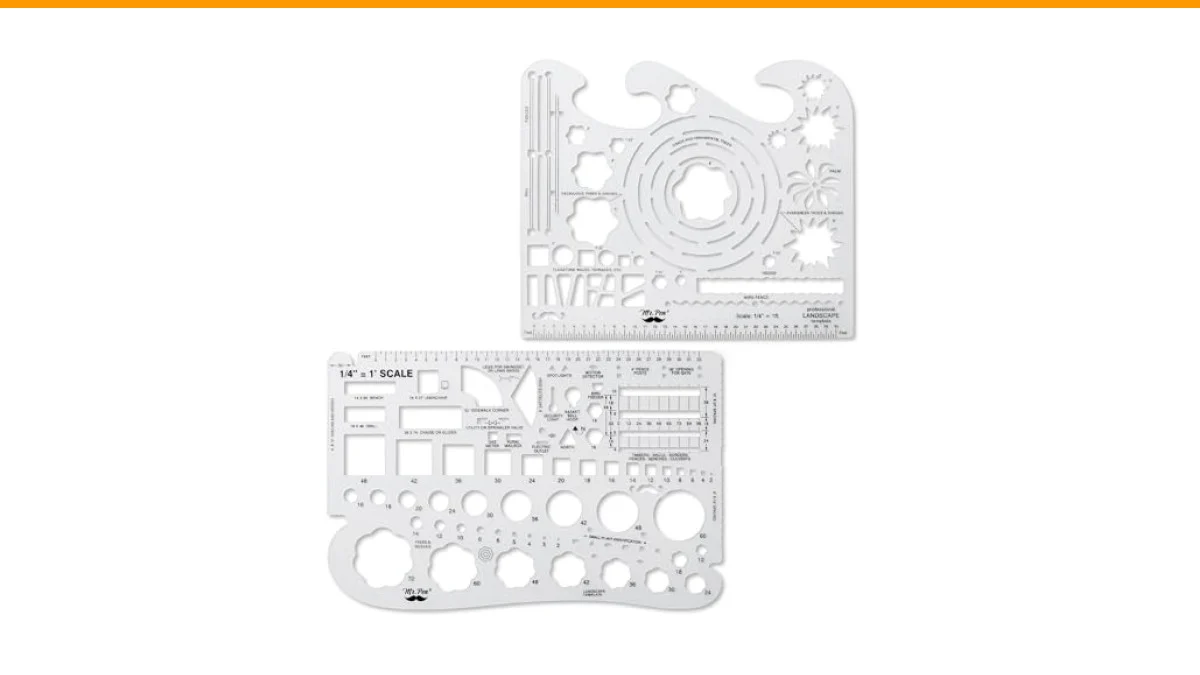
In this article, you’ll learn how to cultivate an informal garden that reflects your personal style while harmonizing with nature. You’ll discover practical tips on planning, plant selection, and layout, as well as how tools like the Mr. Pen Landscape Templates can assist in your design process. These templates are designed for accuracy and can help you visualize your landscape with ease.

Mr. Pen
Mr. Pen- Landscape Templates, Architectural Templates, Drafting Tools | Landscaping Tools, Landscape Design Template, Drafting Ruler Shapes, Drawing Stencils
- 2 Pc Landscape And Yard Design Template Set Uniquely Designed With Exceptional Accuracy
- Scale: 1/4 Inch = 1 Ft
- Made From Flexible, Yet Sturdy Material
Understanding the Elements of Informal Garden Design
The informal garden design style focuses on creating a natural look that blends seamlessly with the surrounding environment. Here are some key elements to consider:
- Curved Lines: Paths and borders should flow in gentle curves rather than straight lines, mimicking the natural landscape.
- Diverse Plant Selection: Use a mix of perennials, annuals, shrubs, and trees to create layers and depth. Aim for a variety of colors and textures.
- Wildflower Areas: Incorporate native wildflowers to attract pollinators and promote biodiversity.
- Natural Materials: Use organic materials like stone, wood, and gravel for pathways and structures to maintain a rustic feel.
Designing Your Layout
Creating an informal garden layout involves several steps:
- Assess Your Space: Take a close look at your yard. Identify existing features like trees, slopes, and light conditions. This will inform your design choices.
- Sketch Your Ideas: Use tools like the Mr. Pen Landscape Templates to draft your garden layout. This can simplify the planning process and ensure accuracy.
- Choose a Focal Point: Decide on a central feature, such as a birdbath or a bench, to draw the eye and create a sense of balance.
- Layer Your Plants: Place taller plants at the back and shorter ones in front. This layering technique enhances visibility and creates a lush, full appearance.
Plant Selection for Informal Gardens
The right plants make all the difference in achieving an informal garden look. Here’s a list of versatile options:
| Plant Type | Characteristics | Ideal Conditions |
|---|---|---|
| Lavender | Fragrant, drought-tolerant | Full sun, well-drained soil |
| Black-eyed Susan | Bright yellow flowers, attracts pollinators | Full sun, adaptable soil |
| Daylily | Low-maintenance, diverse colors | Sun to partial shade, well-drained soil |
| Bee Balm | Attracts hummingbirds, fragrant | Full sun to partial shade, moist soil |
What are the benefits of informal garden design?
Informal gardens promote biodiversity, require less maintenance, and provide a more relaxed atmosphere. They offer a sanctuary for wildlife, making them a great choice for eco-conscious gardeners.
How do I start an informal garden?
Begin with a site assessment, sketch a layout, choose your plants, and consider using natural materials for paths and borders. This approach creates a cohesive design.
Can I mix formal and informal styles?
Yes, blending styles can create visual interest. Try incorporating formal elements, like symmetrical hedges, within an informal layout for a unique effect.
How much maintenance does an informal garden require?
While informal gardens tend to be lower maintenance, they still require regular upkeep, including weeding, pruning, and seasonal planting.
What tools do I need for informal garden design?
Basic gardening tools like trowels, rakes, and pruning shears are essential. Using landscape templates, like those from Mr. Pen, can also simplify the planning process.
Final Thoughts and Actionable Steps
- Embrace curves in your garden layout.
- Choose a diverse range of plants for texture and color.
- Utilize natural materials for pathways and structures.
- Draft your design using landscape templates for accuracy.
- Regularly maintain your garden to keep it thriving.
- Consider incorporating native plants to enhance biodiversity.
- Mix informal and formal elements for unique visual appeal.