Do you have a shady spot in your yard that seems to resist the beauty of a vibrant garden? Perhaps you’ve tried a few plants, only to see them struggle or fade away. You’re not alone; many gardeners face the challenge of cultivating a thriving garden in low-light conditions. However, creating a stunning shade garden is not only possible but can also be incredibly rewarding.
This article will equip you with actionable shade garden design ideas. You’ll learn how to select the right plants, arrange them thoughtfully, and maintain a lush haven that brings joy throughout the seasons. Whether you’re starting fresh or revitalizing an existing space, these insights will help you transform that dark corner into a vibrant retreat.

CZ Grain
6 Crimson Sky Caladium Bulbs for Planting, Red Foliage Tubers for Shade | Crimson Sky caladium • Red leaves with pink splotches, dark crimson veins and deep green margins • Compact growth | 6 bulbs
- RICHLY COLORED FOLIAGE: Crimson Sky caladium grows decorative red leaves with pink and green accents for warm season color. Use th…
- SIX TUBERS TO ARRANGE: Group the tubers in one appropriately sized container or divide them among a few smaller garden areas. In a…
- PLANT WHEN THE SOIL WARMS: Wait until frost has passed and garden soil is warm before planting outdoors. Place each tuber with its…
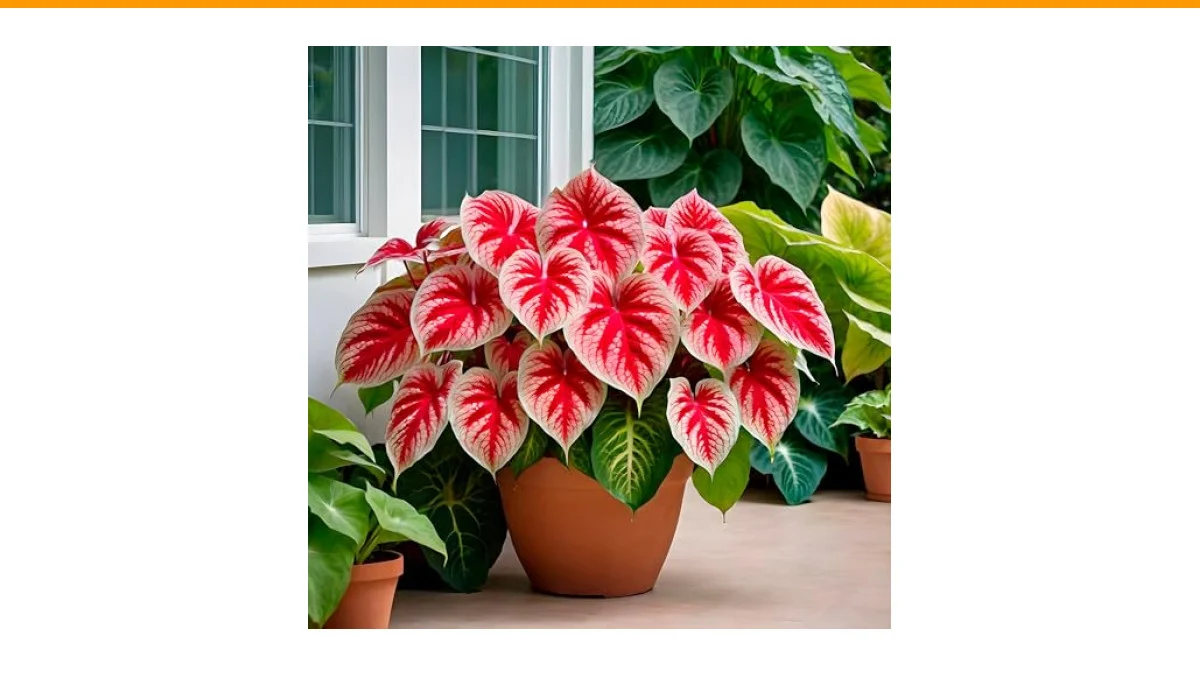
If you’re considering plants that thrive in shade, you might want to check out the 6 Crimson Sky Caladium Bulbs. These fancy perennial elephant ear plants boast stunning crimson and green foliage, perfect for adding a tropical flair to your shade garden.
Choosing the Right Plants for Your Shade Garden
Okay, but how much does plant selection actually matter? A lot! Different plants have varying tolerances to shade, and choosing the right ones can mean the difference between a thriving garden and a barren patch. Here are some popular options:
- Hostas: These classic shade lovers come in a variety of sizes and colors, making them versatile for any garden. They thrive in partial to full shade and are known for their lush foliage.
- Ferns: With their delicate fronds, ferns can add texture and movement to your garden. Varieties like the Japanese Painted Fern or Lady Fern are excellent choices.
- Astilbe: This perennial produces beautiful plume-like flowers in shades of pink, red, and white. Astilbe prefers moist, well-drained soil, making it ideal for shady spots.
- Caladiums: Known for their vibrant foliage, these plants are perfect for adding a pop of color. They thrive in moist, well-drained soil and can be grown in containers or garden beds.
Design Ideas for Shade Gardens
What makes a shade garden truly special? Design elements play a crucial role. Consider these ideas to elevate your space:
- Layering: Use a mix of heights and textures. Place taller plants like hostas in the back and shorter ferns or ground covers in front.
- Pathways: Create a winding path using stepping stones or gravel to guide visitors through your garden. This adds dimension and makes the area feel inviting.
- Seating Areas: Incorporate a bench or a couple of chairs to encourage relaxation. A shady nook invites you to enjoy the tranquility of your garden.
- Accent Features: Consider adding decorative elements like bird baths or sculptures. These can draw the eye and provide focal points amidst the greenery.
Maintaining Your Shade Garden
Maintenance can seem overwhelming, but it doesn’t have to be. Here are some key tasks:
- Watering: Shade gardens often retain moisture better than sunny spots, but check the soil regularly. Water deeply when needed.
- Pruning: Regularly cut back dead or overgrown foliage to promote healthy growth and maintain shape.
- Fertilizing: Use a balanced fertilizer in early spring to give your plants the nutrients they need to thrive.
- Pest Control: Keep an eye out for pests. Hand-picking or using organic methods can help manage any infestations.
Comparison of Shade Plants
| Plant Type | Light Preference | Soil Requirements | Height |
|---|---|---|---|
| Hostas | Partial to full shade | Moist, well-drained | 1-3 feet |
| Ferns | Partial to full shade | Moist, well-drained | 1-2 feet |
| Astilbe | Partial shade | Moist, rich | 1-4 feet |
| Caladiums | Partial to full shade | Moist, well-drained | 1-2 feet |
What are the best plants for a shade garden?
Some top choices include hostas, ferns, astilbe, and caladiums. These plants thrive in low light and offer beautiful textures and colors.
How much sunlight do shade plants need?
Shade plants typically thrive in areas that receive less than four hours of direct sunlight daily. They prefer dappled light or filtered sunlight.
Can I grow vegetables in a shade garden?
Yes, some vegetables can tolerate shade. Leafy greens like spinach and lettuce, as well as root vegetables like radishes, can perform well in low-light conditions.
How do I improve soil for a shade garden?
Incorporating organic matter like compost can enhance soil quality. This improves drainage and provides essential nutrients for your plants.
Is a shade garden low-maintenance?
While shade gardens often require less watering than sunny gardens, they still need care. Regular maintenance like pruning and monitoring for pests is necessary to keep them healthy.
Final Thoughts on Shade Garden Design
- Choose plants that thrive in low light.
- Layer plants for visual interest.
- Incorporate pathways and seating for functionality.
- Maintain soil health with organic materials.
- Regularly check for pests and disease.
- Consider using decorative features for added appeal.
- Enjoy the tranquility of your shade garden!