Imagine stepping into your backyard and being greeted by a vibrant garden filled with blooming flowers, lush greenery, and perhaps a cozy seating area. This scenario isn’t just a dream; it can be your reality with a well-thought-out garden layout. Many homeowners feel overwhelmed by the prospect of designing their garden, unsure where to start or how to make the best use of their space. This guide will equip you with practical insights into creating a garden layout that not only enhances your outdoor space but also reflects your personal style.
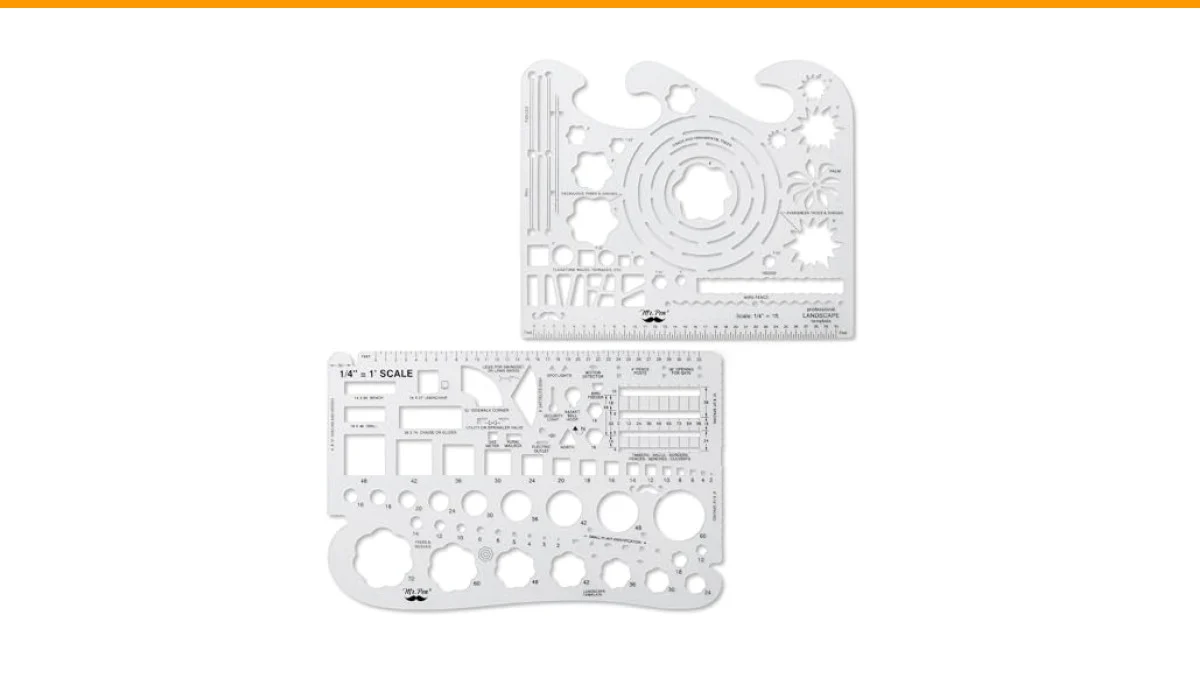
In this article, you will learn about essential design principles, practical steps for planning your layout, and tools that can simplify the process. One such tool is the Mr. Pen Landscape Templates, which provides precision and ease in drafting your garden plans. These templates are perfect for creating accurate representations of trees, shrubs, and other elements in your garden.

Mr. Pen
Mr. Pen- Landscape Templates, Architectural Templates, Drafting Tools | Landscaping Tools, Landscape Design Template, Drafting Ruler Shapes, Drawing Stencils
- 2 Pc Landscape And Yard Design Template Set Uniquely Designed With Exceptional Accuracy
- Scale: 1/4 Inch = 1 Ft
- Made From Flexible, Yet Sturdy Material
Understanding Your Space and Needs
The first step in designing a garden layout is to analyze your space and determine your gardening goals. Consider the following factors:
- Size and Shape: Take measurements of your garden area. Note the dimensions and shape of the space; this will guide your design.
- Sunlight Exposure: Observe how sunlight moves across your garden throughout the day. Identify areas that receive full sun, partial shade, or full shade.
- Soil Type: Test your soil to understand its type and quality. Knowing whether you have sandy, clay, or loamy soil will influence your plant choices.
- Climate: Consider your local climate and hardiness zone, which will dictate what plants can thrive in your garden.
Once you have a clear understanding of these aspects, you can begin to define your gardening objectives, whether they are aesthetic, functional, or a mix of both.
Sketching Your Garden Layout
With your goals in mind, it’s time to sketch your garden layout. Here’s how to do it step-by-step:
- Draw a Base Map: Using graph paper or a digital tool, create a scaled drawing of your garden area. Include existing structures like fences, trees, or patios.
- Plan Functional Zones: Divide your garden into sections based on use. Consider areas for planting, seating, pathways, and perhaps a small water feature.
- Select Planting Areas: Based on your sunlight exposure and soil type, choose appropriate plants for each zone. Group plants with similar water and light needs together.
- Add Pathways: Design pathways that create flow through your garden. These can be made of gravel, pavers, or even grass, depending on your style.
- Include Vertical Elements: Don’t forget about vertical space. Incorporate trellises, arbors, or vertical planters to add dimension and interest.
Use the Mr. Pen Landscape Templates to refine your sketch. These templates can help you accurately represent dimensions and placements.
Choosing Plants and Materials
Selecting the right plants and materials is crucial for a successful garden layout. Consider the following:
- Native Plants: Opt for native species, which are adapted to your climate and soil, making them easier to maintain.
- Seasonal Interest: Choose a mix of plants that bloom at different times to ensure year-round color and interest.
- Color and Texture: Think about how colors and textures will work together. Use contrasting foliage and blooms to create visual interest.
- Hardscape Materials: Select materials for pathways, borders, and seating that complement your home and garden style.
Remember to plan for maintenance and growth. As plants mature, they will require space, so consider their mature size when placing them in your layout.
Evaluating Different Garden Layout Approaches
There are several garden layout styles to consider. Here’s a comparison of some popular options:
| Style | Description | Best For |
|---|---|---|
| Formal | Symmetrical designs with geometric shapes. | Traditional gardens and structured spaces. |
| Informal | Asymmetrical designs with free-flowing lines. | Casual and relaxed settings. |
| Vegetable Garden | Rows or raised beds for growing vegetables. | Food enthusiasts and sustainability advocates. |
| Wildlife Garden | Focus on native plants to attract pollinators. | Nature lovers and those seeking biodiversity. |
What is the best way to start designing a garden layout?
Begin by assessing your space and understanding your gardening goals. Sketch a base map to visualize your ideas before committing to a design.
How do I determine the right plants for my garden?
Consider your local climate, sunlight exposure, and soil type. Research plants that thrive in those conditions to ensure success.
What tools do I need for garden layout design?
Basic tools include graph paper, a measuring tape, and landscape templates like those from Mr. Pen. These tools help you create accurate designs.
How much time should I spend on garden design?
Spend as much time as needed to feel confident in your layout. It might take a weekend to sketch and plan, but thoroughness pays off.
Can I change my garden layout later?
Absolutely! Garden layouts can evolve. As plants grow or your preferences change, feel free to adjust your design.
Actionable Steps for Your Garden Layout
- Measure your garden space and create a detailed map.
- Identify zones for different gardening activities.
- Choose plants suited to your climate and sunlight conditions.
- Utilize landscape templates for precise planning.
- Incorporate hardscape elements that complement your design.
- Plan for future growth and maintenance needs.
- Don’t hesitate to adjust your layout as necessary.
Designing a garden layout is a rewarding journey. With careful planning and the right tools, your outdoor space can become a beautiful reflection of your style and preferences. Avoid common mistakes like overcrowding plants or neglecting sunlight needs, and enjoy the creative process of bringing your garden to life.