Fabric Pots vs Plastic Pots: Which is Right for Your Garden?
Contents
Many gardeners face a common dilemma: should they use fabric pots or plastic pots for their plants? This choice can significantly affect plant health, growth rates, and even maintenance ease. While plastic pots have been the traditional go-to for many years, fabric pots are gaining traction due to their unique benefits. In this article, you’ll discover the differences between fabric pots and plastic pots, helping you make an informed decision for your gardening needs.
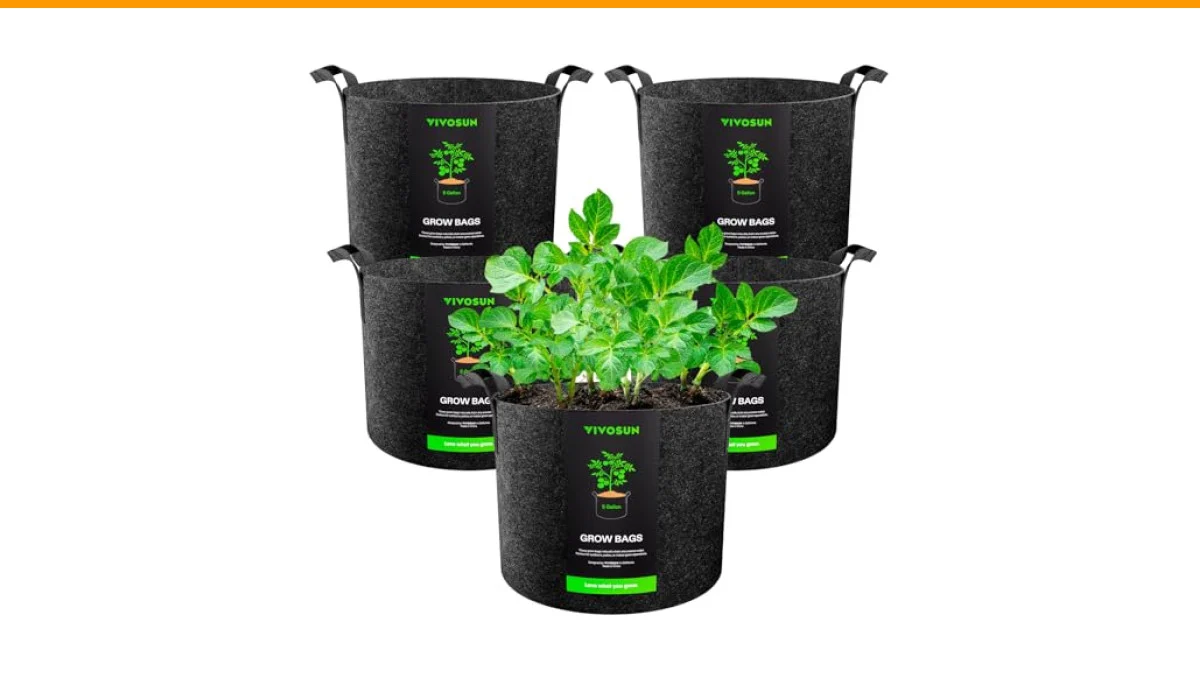
One option to consider is the VIVOSUN 5-Pack 5 Gallon Plant Grow Bags Fabric Pots. These sturdy fabric pots offer excellent drainage and are made from eco-friendly materials, making them a solid choice for both new and experienced gardeners alike.

VIVOSUN
VIVOSUN 5-Pack 5 Gallon Plant Grow Bags Fabric Pots with Handles
- Sturdy & Garden-Ready Material: Made of 300g of thickened nonwoven fabric, these pots are moderately permeable, environmentally fr…
- Great Drainage: Nonwoven fabric means the pots do not retain excess water, allowing your roots to breathe for healthier, more vigo…
- Durable, Reinforced Handles: While the competition uses flimsy handles that are merely strips of the same fabric the pot is made f…
Understanding the Basics: Fabric vs. Plastic
Okay, but how much does this actually matter? The material you choose can impact root health, drainage, and even the overall durability of your gardening setup. Fabric pots, often made from breathable nonwoven material, allow for air pruning of roots, which can lead to healthier plants. In contrast, plastic pots are typically more rigid and can retain moisture, which is beneficial in some cases but may lead to root rot if not managed properly.
Drainage and Aeration
Drainage plays a crucial role in plant health. Fabric pots excel in this area. They allow excess water to escape while promoting air circulation around the roots. This environment encourages strong root systems, which can lead to more vigorous plant growth. In fact, studies have shown that plants grown in fabric pots can exhibit up to 30% better growth than those in plastic pots under similar conditions.
Plastic pots, while they do have drainage holes, do not facilitate airflow as effectively. This can create a risk of overwatering, especially for plants that prefer drier conditions. If you’re growing species sensitive to root rot, fabric pots could be the safer choice.
Durability and Longevity
When considering fabric pots vs plastic pots, durability is another key factor. Plastic pots can last for years if not exposed to extreme temperatures or UV light. However, they can become brittle and break over time. Fabric pots, like the VIVOSUN option, are made from robust materials designed to withstand various weather conditions. They can be reused for multiple growing seasons, making them a cost-effective choice in the long run.
While fabric pots might require a little more care — like taking precautions to prevent them from drying out during hot weather — their longevity often outweighs these concerns. Many gardeners report using the same fabric pots for years.
Weight and Portability
Weight can be a game changer for gardeners. Fabric pots are typically lighter than plastic pots, especially when filled with soil. This makes them easier to move around the garden or even indoors without much hassle. The reinforced handles on products like the VIVOSUN fabric pots enhance this portability, allowing you to shift plants as needed.
Plastic pots can be heavier, especially in larger sizes. This can become cumbersome if you need to rearrange your garden frequently. Consider how often you’ll need to move your plants when making your choice.
| Feature | Fabric Pots | Plastic Pots |
|---|---|---|
| Drainage | Excellent, promotes root aeration | Moderate, risk of root rot |
| Durability | Long-lasting, reusable | Can break, less reusable |
| Weight | Lighter and portable | Heavier, less portable |
| Maintenance | Requires monitoring for drying | Less concern for moisture |
| Eco-Friendliness | Often made from recycled materials | Not biodegradable, may leach chemicals |
What are the main benefits of fabric pots?
Fabric pots provide superior drainage and aeration, leading to healthier root systems. They are also lightweight and often made from eco-friendly materials.
Are plastic pots easier to maintain?
Plastic pots can be easier for beginners since they retain moisture better, reducing the risk of plants drying out. However, they might require more attention to prevent overwatering.
Can I reuse fabric pots?
Yes, fabric pots can be reused for several growing seasons, especially if you take good care of them. Just ensure they are cleaned and dried before the next use.
Do fabric pots dry out quickly?
Fabric pots can dry out faster than plastic pots, especially in hot weather. Regular watering and mulch can help manage moisture levels.
Which option is best for outdoor gardening?
For outdoor gardening, fabric pots are often preferred due to their drainage capabilities and breathability, which are essential for healthy root development.
Final Thoughts on Fabric Pots vs Plastic Pots
- Fabric pots promote better drainage and root health.
- Plastic pots are often easier for beginners due to moisture retention.
- Consider your gardening style: do you need mobility or stability?
- Evaluate the eco-friendliness of your materials.
- Think about long-term costs — fabric pots can save you money over time.
- Always monitor moisture levels, especially with fabric pots.
- Whichever you choose, ensure it meets your specific gardening needs.