Best Containers for Vegetable Gardening: A Comprehensive Guide
Contents
Starting a vegetable garden can be incredibly rewarding, but it can also feel overwhelming. Choosing the right containers for your plants can make all the difference in ensuring they thrive. If you’ve ever tried to grow vegetables in subpar pots or containers, you know how crucial it is to have the best containers for vegetable gardening. In this guide, you’ll learn about different container options, their benefits, and how to select the right one for your gardening needs.
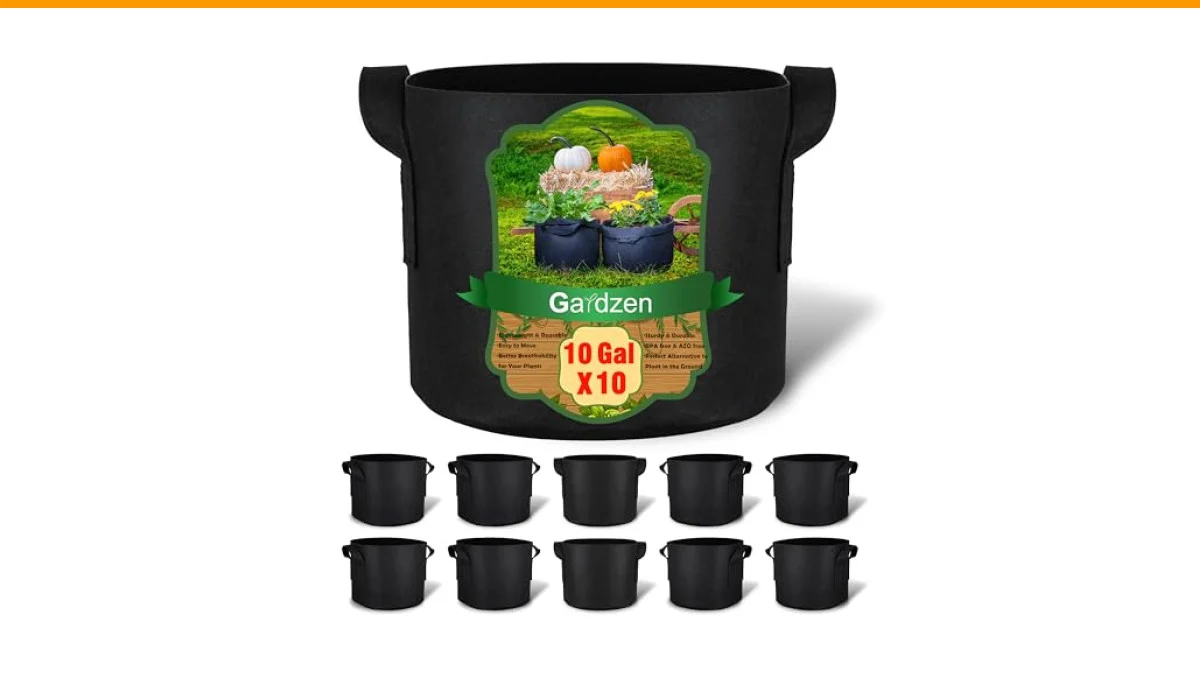
One excellent option to consider is the Gardzen 10-Pack 10 Gallon Grow Bags. These fabric pots are designed for durability and effective root management, making them suitable for a variety of vegetables. With their breathable material and superior drainage performance, they allow your plants to flourish without the risks associated with traditional pots.

Gardzen
Gardzen 10-Pack 10 Gallon Grow Bags Fabric Pots with Heavy Duty Handles
- Thickened Nonwoven Fabric: Crafted from 300G thickened breathable nonwoven fabric, these grow bags for plants provide moderate per…
- Superior Drainage Performance: These fabric pots prevent excess water retention while allowing proper airflow; Promotes air prunin…
- Reinforced X-Shaped Stitching: Heavy-duty handles with cross-stitched reinforcement make these plant grow bags strong enough to ho…
Types of Containers for Vegetable Gardening
When it comes to selecting containers for vegetable gardening, several types are available, each with its own set of advantages. Here’s a breakdown of the most common options:
- Plastic Pots: Lightweight and inexpensive, plastic pots retain moisture well but may not provide adequate drainage. Look for pots with drainage holes to prevent root rot.
- Terracotta Pots: These clay pots are porous, allowing for air circulation and moisture regulation. They are ideal for drier climates but can dry out quickly.
- Fabric Grow Bags: Made from breathable materials, fabric grow bags provide excellent drainage and aeration. They help prevent root circling and promote healthier root systems, making them a favorite among gardeners.
- Wooden Containers: Wooden planters can be aesthetically pleasing and durable. They require proper treatment to prevent rot but can effectively hold soil for larger plants.
Factors to Consider When Choosing Containers
Selecting the best containers for vegetable gardening involves considering several key factors:
- Size: Choose containers based on the mature size of your plants. For example, larger vegetables like tomatoes and peppers need at least 5 gallons of soil, while smaller herbs may thrive in smaller pots.
- Material: Different materials offer varying benefits. Plastic is lightweight, while terracotta provides breathability. Fabric grow bags, like the Gardzen option, offer a great balance of both.
- Drainage: Ensure your containers have adequate drainage holes. Poor drainage can lead to root rot and unhealthy plants.
- Location: Consider where your containers will be placed. If you’re gardening on a balcony, lightweight options like plastic or fabric grow bags are more practical.
Comparison of Container Types
| Container Type | Material | Drainage | Temperature Regulation | Cost |
|---|---|---|---|---|
| Plastic Pots | Plastic | Good (with holes) | Poor | Low |
| Terracotta Pots | Clay | Excellent | Good | Moderate |
| Fabric Grow Bags | Nonwoven Fabric | Excellent | Good | Moderate |
| Wooden Containers | Wood | Good | Moderate | High |
Common Questions About Vegetable Gardening Containers
1. What size container is best for tomatoes?
Tomatoes need ample space for their roots. A 5 to 10-gallon container is ideal, with a depth of at least 12 inches.
2. Can I use regular garden soil in containers?
Using regular garden soil is not recommended in containers. It can compact and drain poorly. Instead, use a high-quality potting mix designed for container gardening.
3. How often should I water my container plants?
Container plants typically require more frequent watering than garden beds due to quicker soil drying. Check moisture levels daily, especially during hot weather.
4. Are grow bags better than plastic pots?
Grow bags are often preferred because they provide superior aeration and drainage. They help prevent root circling and promote healthier root systems.
5. Can I grow vegetables in decorative containers?
Yes, as long as the containers have proper drainage and are large enough for the plants. Ensure they are made from non-toxic materials if you’re growing edibles.
Actionable Tips for Successful Container Gardening
- Choose the right size based on plant growth.
- Use quality potting mix for better drainage and nutrients.
- Monitor water levels closely, especially in hot weather.
- Feed your plants with organic fertilizers regularly.
- Rotate crops each season to prevent nutrient depletion.
- Consider the sunlight needs of your plants when placing containers.
- Check for pests regularly to keep plants healthy.
Starting with the best containers for vegetable gardening can lead to a bountiful harvest. Consider your options carefully, and don’t hesitate to experiment with different types. Remember, the right container can significantly impact your plants’ health and growth.
For more tips on gardening tools, check out the best garden tool organizers or learn about the best light for indoor gardening.