Terracotta vs Plastic Planters: A Comprehensive Guide
Contents
Choosing the Right Planter for Your Plants
Imagine setting up a vibrant indoor garden or an outdoor flower bed. You walk into a garden center and are immediately drawn to the colorful array of planters. Among them, two types stand out: terracotta and plastic. Both have their unique qualities, but which one is the best choice for your plants? In this article, we’ll explore the differences between terracotta and plastic planters, helping you make an informed decision based on your gardening needs.
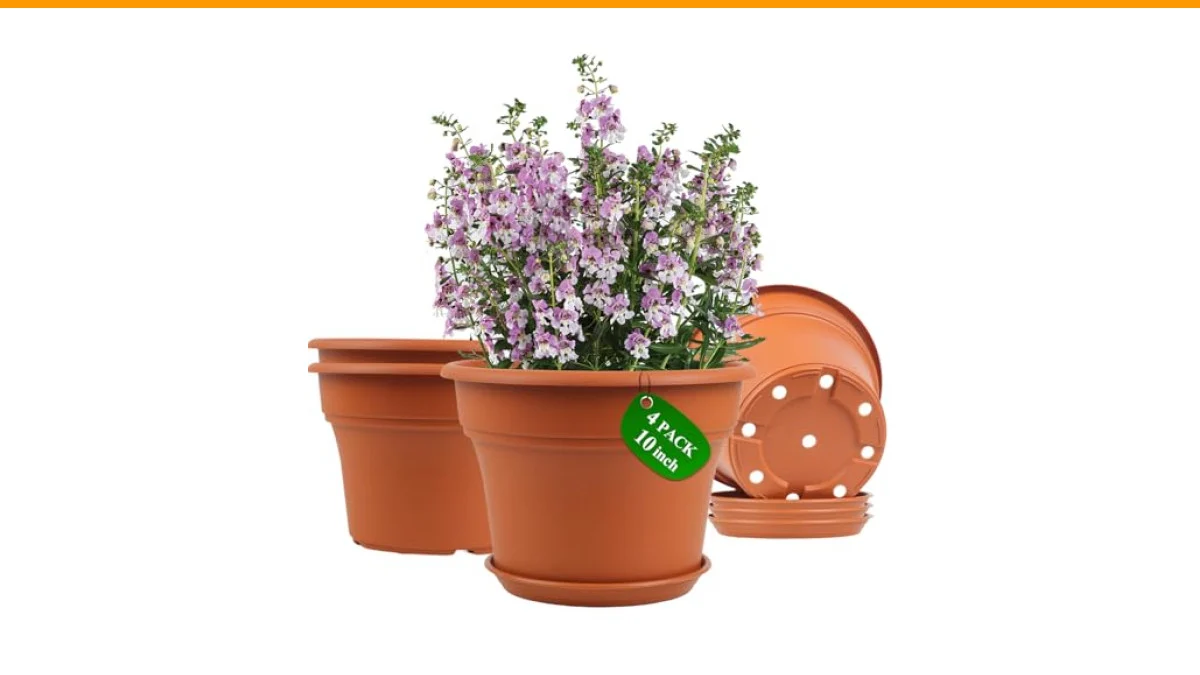
By the end of this guide, you’ll understand the pros and cons of each material, specific conditions that suit them best, and practical care tips. You’ll also find a comparison table to help visualize the differences. Plus, I’ll introduce a versatile option for your planting needs: the Pottiffe Plant-Pots-Planters, a 10 inch 4 pack of terracotta-style pots that combines the aesthetic of terracotta with the durability of plastic.

Pottiffe
Pottiffe Plant-Pots-Planters-Indoor-Outdoor, 10 inch 4 Pack Terracotta
- 【Lightweight and Sturdy】10 inch pots for plants are made of thick premium plastic, which ensures long-lasting use and weather resi…
- 【Garden Pot With Drainage Holes & Saucers】 Each plastic outdoor planter has multi-holes at the bottom,which could prevent excessiv…
- 【Indoor Outdoor Planter】Plastic flower pots can be used to decorate your indoor areas such as living room, bedroom, windowsill, ta…
Understanding Terracotta Planters
Terracotta planters are made from clay that is fired at high temperatures, resulting in a porous material. This porosity allows for excellent air circulation and moisture retention, making it a popular choice for many gardeners.
- Moisture Regulation: Terracotta can absorb moisture, which helps to regulate watering. This feature is particularly beneficial for plants that prefer drier conditions between waterings, such as succulents and cacti.
- Aesthetic Appeal: The natural, earthy color of terracotta gives a rustic charm to any setting. It complements green foliage beautifully and blends seamlessly into outdoor landscapes.
- Weight: Although heavier than plastic, terracotta provides stability, especially for taller plants that might topple over in lighter containers.
However, there are drawbacks. Terracotta can crack in extreme temperatures and tends to be more fragile than plastic. It also requires more frequent watering since it dries out faster.
Exploring Plastic Planters
Plastic planters, like the ones offered by Pottiffe, are made from various types of synthetic materials. They come in a range of colors, shapes, and sizes, allowing for greater versatility in your gardening style.
- Durability: Plastic is resistant to fading, frost, and cracking, making these planters ideal for outdoor use in varying weather conditions. This durability means you can leave them outside year-round without worry.
- Lightweight: Easier to move around, plastic planters are excellent for those who frequently rearrange their garden or home decor. The lightweight design is particularly handy for larger pots.
- Cost-Effective: Generally, plastic planters are more affordable than terracotta options, making them accessible for gardeners on a budget.
Despite these advantages, plastic planters can lack the aesthetic appeal of terracotta and may retain heat more, which can be detrimental to some plants. Additionally, they don’t offer the same breathability, which can lead to overwatering if not monitored closely.
Comparative Analysis of Terracotta vs Plastic Planters
| Feature | Terracotta Planters | Plastic Planters |
|---|---|---|
| Material | Clay, porous | Synthetic materials |
| Weight | Heavy | Lightweight |
| Durability | Cracks in severe weather | Weather-resistant |
| Moisture Retention | Absorbs moisture | Holds moisture |
| Aesthetic | Natural and rustic | Variety of colors and styles |
| Cost | Generally higher | More affordable |
Frequently Asked Questions
What plants thrive best in terracotta planters?
Plants that prefer dryer soil conditions, like succulents, cacti, and certain herbs, thrive in terracotta pots. The material helps prevent overwatering, which is crucial for these types of plants.
Can I use plastic planters indoors?
Yes, plastic planters are excellent for indoor use. They are lightweight, easy to move, and available in various designs that can suit your home decor.
How often should I water plants in terracotta pots?
Frequency depends on the plant type and environment. Generally, check the top inch of soil; if it feels dry, it’s time to water. Terracotta may require more frequent watering than plastic due to its porous nature.
Are plastic planters recyclable?
Many plastic planters are recyclable, but it depends on local policies. Check with your local recycling program to see what types of plastics they accept.
Is it safe to grow edible plants in plastic pots?
Yes, as long as the plastic is labeled as food-safe. Choose high-quality plastic pots to ensure safety for growing herbs and vegetables.
Final Thoughts on Planter Selection
- Consider your plant’s water needs when choosing between terracotta and plastic.
- Terracotta is ideal for plants that prefer drier conditions.
- Plastic planters offer durability and are lightweight, making them great for frequent rearranging.
- Evaluate your local climate; extreme weather may favor plastic options.
- Check the current price on Amazon for the Pottiffe Plant-Pots-Planters to see if they fit your needs.
- Don’t overlook the importance of drainage; both types can require drainage holes for healthy plant growth.
- Understand your aesthetic preferences—both materials can enhance your garden or home decor in different ways.