The Essential Guide to Early Spring Vegetables to Plant
Contents
As winter fades away and the days grow longer, many gardening enthusiasts eagerly anticipate the arrival of early spring. The promise of fresh vegetables just a few weeks away is enough to inspire anyone to dig into the soil. But knowing which vegetables to plant at this time can be the difference between a bountiful harvest and a disappointing season. This guide will help you identify the best early spring vegetables to plant, ensuring your garden flourishes with vibrant colors and delicious tastes.
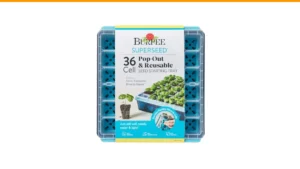
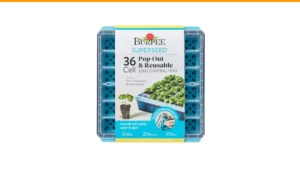
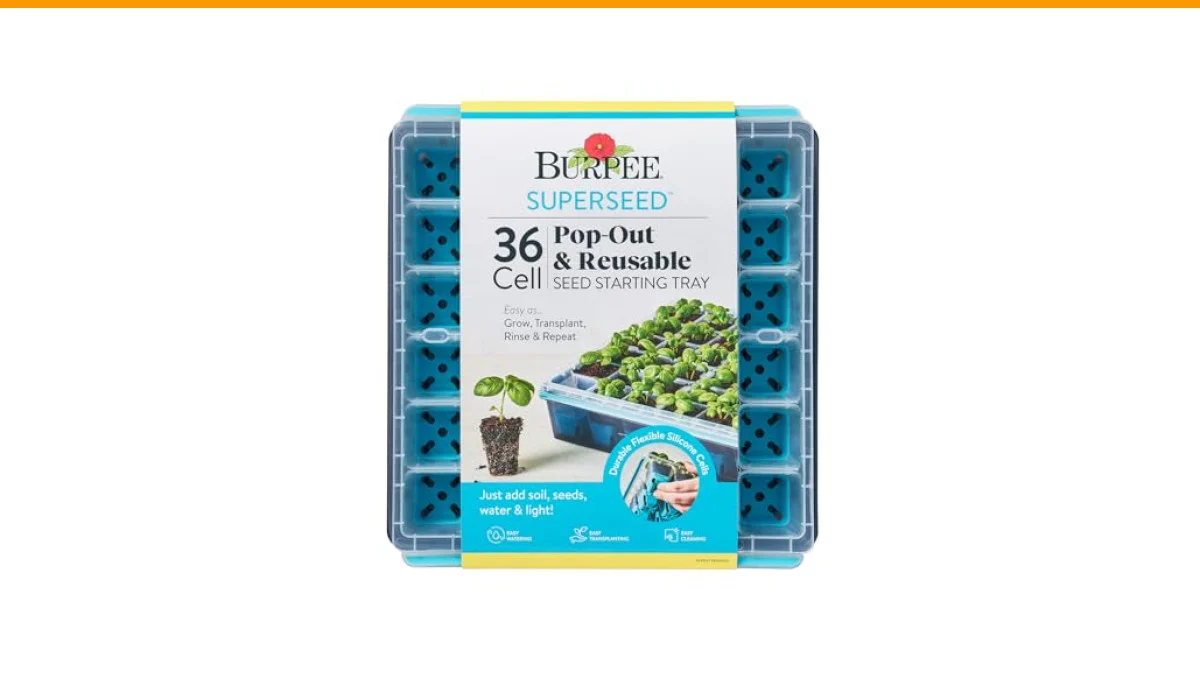
In addition to understanding what to plant, having the right tools makes the process smoother. The Burpee SuperSeed 36-Cell Reusable Seed Starting Tray is an excellent choice for starting your seeds indoors. Its design simplifies the seed starting process, making it easier for you to manage different plant varieties as you prepare for the spring planting season.

Burpee
Burpee SuperSeed 36-Cell Reusable Seed Starting Tray for Indoor Seedlings | Flexible silicone cells pop out seedlings for easy transplanting. Ideal for starting vegetable, flower and herb seeds indoor.
- EASIER SEED STARTING: Our Burpee SuperSeed tray with 36 flexible pop-out cells is designed to simplify indoor seed starting for al…
- SMARTER WATERING SYSTEM: Molded corner slots in each cell improve drainage and soil aeration to set your seeds up for germination…
- SIMPLER TRANSPLANTING: Soft food-grade silicone cells cradle seedlings and gently flex to pop out when it’s time to transplant int…
Choosing Early Spring Vegetables
Timing is crucial when selecting early spring vegetables. Generally, you want to start planting as soon as the soil is workable, usually when temperatures reach around 50°F (10°C). Here are some of the best vegetables to consider:
- Peas: Plant these seeds directly into the soil as soon as it can be worked. Peas thrive in cooler temperatures and will produce delicious pods in about 60 days.
- Spinach: This leafy green can be sown as soon as the soil is workable. Spinach grows quickly and can be harvested in about 30-45 days.
- Radishes: Fast-growing and easy, radishes can be planted in early spring and are usually ready to harvest in just 25-30 days.
- Lettuce: Various types of lettuce can be sown early. Leaf lettuce, in particular, grows quickly and can be ready in about 30-60 days.
- Carrots: While they take longer to mature, carrots can be sown directly into the ground as soon as the soil is workable. Expect to wait about 70-80 days for a harvest.
Growing Conditions for Early Spring Vegetables
Successful gardening relies on understanding the specific needs of each vegetable. Early spring vegetables generally prefer cooler temperatures and well-drained soil. Here are some vital growing conditions to consider:
- Soil Preparation: Ensure the soil is well-draining and enriched with organic matter. Testing soil pH can also help; most vegetables prefer a pH between 6.0 and 7.0.
- Sunlight: Most early spring vegetables need at least 6 hours of direct sunlight per day. Plan your garden layout accordingly.
- Watering: These plants need consistent moisture, especially during germination. Aim to keep the soil damp but not soggy.
Using Seed Starting Trays
Starting seeds indoors can give you a head start on the growing season. The Burpee SuperSeed 36-Cell Reusable Seed Starting Tray is particularly useful, as it allows for multiple varieties to be started in a compact space. Here’s how to use it effectively:
- Fill each cell with a quality seed starting mix, ensuring it’s loose and well-aerated.
- Sow seeds according to the recommended depth found on the seed packet.
- Water gently, making sure not to displace seeds. Maintain moisture by covering the tray with a plastic dome or clear plastic wrap until seeds germinate.
- Once seedlings develop a few true leaves, transplant them into your outdoor garden once the weather is suitable.
Vegetable Comparison Table
| Vegetable | Days to Maturity | Optimal Soil Temperature | Sunlight Requirements |
|---|---|---|---|
| Peas | 60 days | 45°F – 75°F | 6+ hours |
| Spinach | 30-45 days | 50°F – 70°F | 6+ hours |
| Radishes | 25-30 days | 45°F – 85°F | 6+ hours |
| Lettuce | 30-60 days | 45°F – 75°F | 6+ hours |
| Carrots | 70-80 days | 45°F – 85°F | 6+ hours |
What are the best vegetables to plant in early spring?
The best vegetables include peas, spinach, radishes, lettuce, and carrots. These varieties thrive in cooler temperatures and can be sown as soon as the soil is workable.
When should I start planting my seeds indoors?
Most early spring vegetables should be started indoors about 6-8 weeks before the last expected frost date in your area. Refer to seed packets for specific guidance.
How can I protect seedlings from late frosts?
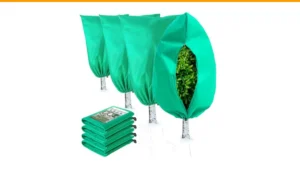
Cover seedlings with row covers or cloches on chilly nights. This will help retain warmth and protect against frost damage.
What is the ideal soil for early spring vegetables?
A well-draining soil enriched with organic matter is ideal. Testing the pH can ensure your soil is within the preferred range of 6.0 to 7.0.
Can I direct sow seeds outdoors?
Yes, many early spring vegetables can be directly sown outdoors as soon as the soil can be worked. This is particularly true for peas, radishes, and carrots.
Final Thoughts for Early Spring Gardening
- Choose cool-weather crops like peas, spinach, and radishes for early planting.
- Start seeds indoors using a reliable seed starting tray.
- Prepare your soil with organic matter to support healthy growth.
- Ensure your garden receives adequate sunlight and moisture.
- Monitor temperatures and protect seedlings from unexpected frost.
- Keep an eye on your plants’ growth; some may need thinning.
- Plan your garden layout to maximize space and sunlight exposure.
For more tips on vegetable gardening, check out our articles on planting vegetables together and choosing the best soil.