Fall Bulb Planting Guide: Tips for a Vibrant Spring
Contents
Imagine gazing out your window in early spring to find a burst of color from freshly bloomed flowers, all thanks to the bulbs you planted in the fall. With the right planning and care, fall bulb planting can transform your garden into a vibrant display of early blooms. This guide will provide you with the essential information you need to choose the best bulbs, understand the planting process, and ensure a stunning spring display.
To make the process easier, a bulb planting tool can streamline your efforts. A good trowel helps you dig the right depth and width for your bulbs, ensuring they thrive. Consider checking the current price on Amazon for options that suit your needs.
Choosing the Right Bulbs
Understanding the variety of bulbs available is the first step in successful fall planting. Here’s a breakdown of some popular choices:
- Daffodils: These hardy bulbs thrive in most climates and bloom in early spring. Plant them about 6 inches deep.
- Tulips: Available in many colors, tulips prefer well-drained soil and should be planted 6-8 inches deep.
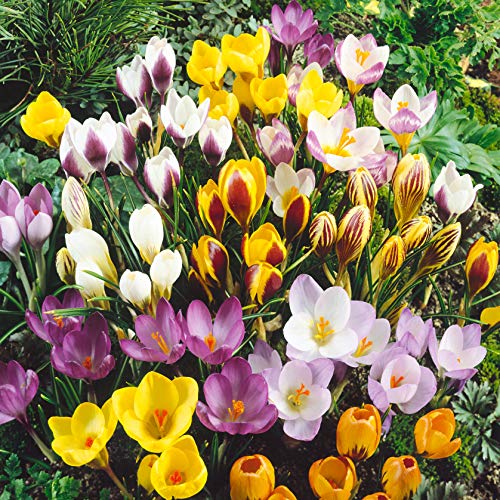
- Crocus: These small, cheerful flowers appear early in spring. Plant them 3-4 inches deep.
- <strong=Hyacinths: Known for their fragrance, hyacinths should be planted 4-6 inches deep.
When to Plant Bulbs
The ideal time for fall bulb planting varies by region, but generally, bulbs should be planted 6-8 weeks before the ground freezes. This timeframe allows the bulbs to establish roots. In warmer regions, aim for late September to October. In colder climates, October to early November works best. Monitoring soil temperature is important; aim for a range of 50-60°F for optimal growth.
How to Plant Bulbs
Proper planting technique can significantly affect bulb health. Here are the steps to follow:
- Prepare the soil: Ensure the area is well-drained and free of weeds. Loosen the soil to a depth of at least 12 inches.
- Dig holes: Use a trowel to dig holes to the recommended depth for each bulb type.
- Place the bulbs: Position the bulb with the pointed end facing up. For larger bulbs like dahlias, ensure there’s at least 12 inches between them.
- Cover and water: Backfill with soil and water lightly to eliminate air pockets.
Care After Planting
After planting, care is minimal but important. Water bulbs thoroughly after planting, especially if the fall is dry. If necessary, apply mulch to retain moisture and regulate soil temperature. As spring arrives, reduce watering, as most bulbs don’t require additional moisture after sprouting. Fertilizing can enhance growth; consider a balanced, slow-release fertilizer applied in early spring.
| Type of Bulb | Planting Depth | Bloom Time | Soil Type |
|---|---|---|---|
| Daffodils | 6 inches | Early Spring | Well-drained |
| Tulips | 6-8 inches | Mid Spring | Loamy |
| Crocus | 3-4 inches | Early Spring | Well-drained |
| Hyacinths | 4-6 inches | Mid Spring | Rich, well-drained |
What tools do I need for bulb planting?
Basic tools include a trowel, garden fork, and gloves. A bulb planter can also be helpful for digging uniform holes.
Can I plant bulbs in pots?
Yes, many bulbs can be successfully grown in pots. Choose a container with drainage holes and use a quality potting mix. Plant at the same depths as you would in the ground.
How deep should I plant tulips?
Tulips should be planted 6-8 inches deep. This depth helps protect them from frost and encourages healthy growth.
Should I fertilize when planting bulbs?
Using a slow-release fertilizer at planting can promote strong root development. Avoid over-fertilizing, as this can harm the bulbs.
What if I forget to plant bulbs in the fall?
If fall planting is missed, consider planting them in pots indoors. Alternatively, some bulbs can still be planted in early spring, although they may not bloom until the following year.
Final Tips for Success
- Choose the right bulbs for your climate.
- Plant at the correct depth and spacing.
- Water after planting, especially in dry conditions.
- Monitor soil temperatures for the best planting time.
- Consider using mulch to retain moisture.
Fall bulb planting is a rewarding practice that sets the stage for a colorful spring. With careful selection and proper techniques, your garden can flourish with beautiful blooms. For more detailed guidance on tools, check out our article on the best garden trowel for bulb planting.