
Mastering Winter Greenhouse Gardening
Contents
Introduction
Winter gardening in a greenhouse offers a unique opportunity to cultivate plants that would otherwise struggle in colder months. Many gardeners face the challenge of maintaining a thriving garden during winter’s harsh conditions. Whether you’re a seasoned gardener or just getting started, understanding the essentials of winter greenhouse gardening can significantly enhance your success rate.
This article will guide you through selecting the right plants, managing temperature and humidity, and maintaining your greenhouse for optimal growth. You’ll finish with practical insights that you can apply directly to your own gardening efforts.

VEVOR
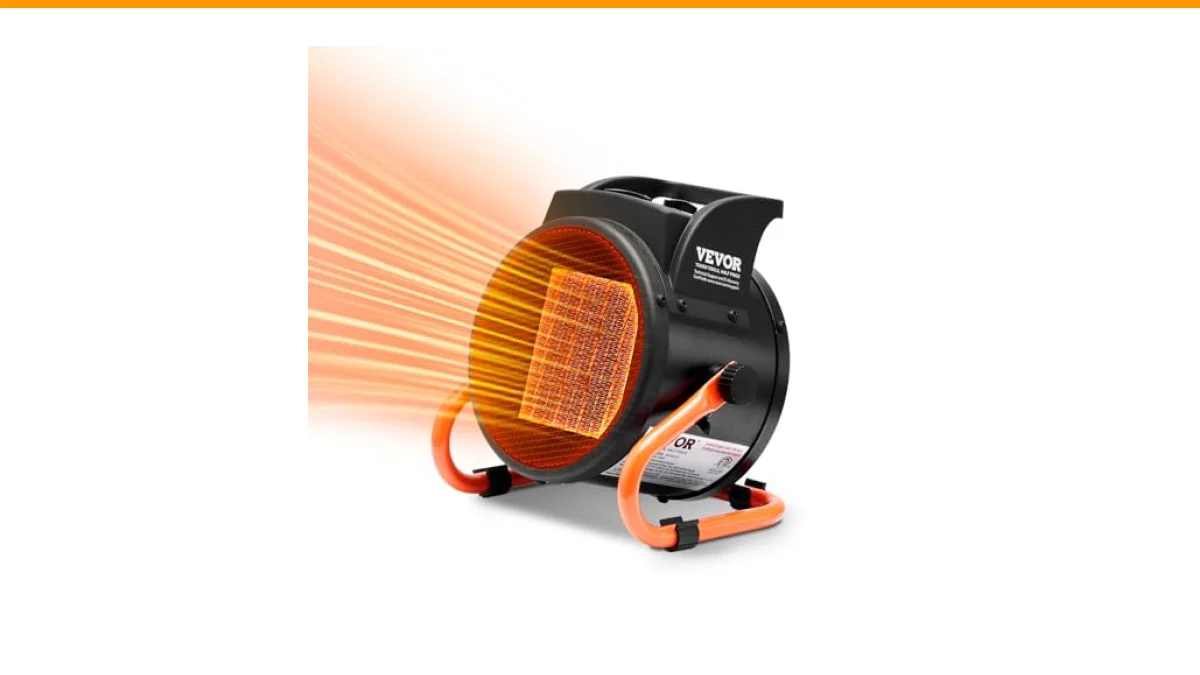
VEVOR Greenhouse Heater, 1500W PTC Fast Heating With Overheat Protection, 3-Speed Setting Small Grow Tent Fan, Electric Portable for Green House, Flower Room, Workplace
- PTC 3-Second Heating: Is your greenhouse humid? Is the air not circulating? This fast-heating dehumidifying heater releases 5100 B…
- IP20 Protection: Made of high-quality, high-hardness alloy steel, it features an IP20 protection design, making it fearless of for…
- Multi-Scene Application: Whether it's for chick brooding, plant tents, greenhouse insulation, or drying renovations, our heater of…
One essential tool to consider for your winter greenhouse is the VEVOR Greenhouse Heater. This portable heater ensures your greenhouse remains warm and dry, which is crucial for plant health during colder months.
Choosing the Right Plants
Okay, but how much does plant selection actually matter? Quite a bit! Certain plants thrive better in winter conditions than others. Here are some categories of plants that do well in winter greenhouses:
- Leafy Greens: Varieties like kale, spinach, and lettuce grow quickly and can be harvested multiple times.
- Root Vegetables: Carrots, beets, and radishes are great choices, as they can withstand cooler temperatures.
- Herbs: Many herbs, such as parsley and cilantro, flourish in mild winter conditions.
- Brassicas: Broccoli and cauliflower can be successfully grown during winter months.
For successful growth, it’s important to choose varieties suited to your local climate. Researching hardiness zones can help as well. For example, USDA hardiness zones 5-7 are often ideal for winter gardening.
Temperature and Humidity Control
What about temperature? Maintaining the right temperature is critical for winter greenhouse gardening. Most plants thrive between 65°F to 75°F during the day and slightly cooler at night. Here are some methods to achieve this:
- Insulation: Use bubble wrap or thermal blankets on the greenhouse structure to retain heat.
- Heating Systems: Consider investing in a reliable heater like the VEVOR Greenhouse Heater, which offers fast heating and can manage humidity levels effectively.
- Ventilation: Ensure proper air circulation to prevent mold growth. Use fans or vents to maintain a balanced environment.
Monitoring temperature with a thermometer and humidity levels with a hygrometer will help you make necessary adjustments. Keeping a close eye on these variables can prevent plant stress.
Maintenance Practices for a Winter Greenhouse
<pSo, what maintenance tasks should you prioritize? Regular upkeep is vital for a productive winter greenhouse. Here are some key practices:
- Check Watering Needs: Plants may require less water in winter, but ensure consistent moisture levels.
- Monitor for Pests: Inspect plants regularly for pests, which can thrive in humid conditions.
- Cleanliness: Keep your greenhouse clean to avoid diseases. Remove any dead leaves or debris.
- Adjust Lighting: As days get shorter, consider supplemental lighting to support plant growth.
Neglecting maintenance can lead to issues that might derail your winter gardening efforts. Staying proactive will ensure a healthier environment for your plants.
Comparative Overview of Winter Greenhouse Options
| Option | Pros | Cons |
|---|---|---|
| Heater | Efficient heat distribution, quick setup | Requires electricity, initial cost |
| Insulation | Cost-effective, energy-saving | Labor-intensive to apply |
| Ventilation Fans | Improves air circulation, reduces humidity | Can be noisy, additional power use |
FAQs About Winter Greenhouse Gardening
What are the best vegetables to grow in a winter greenhouse?
Leafy greens, root vegetables, and certain herbs are ideal for winter growth. Examples include kale, spinach, carrots, and parsley.
How can I keep my greenhouse warm in winter?
Use insulation techniques, heaters like the VEVOR Greenhouse Heater, and ensure proper sealing to maintain warmth.
Is supplemental lighting necessary for winter plants?
Yes, many winter crops benefit from additional lighting to compensate for shorter daylight hours.
How do I prevent mold growth in my greenhouse?
Maintain proper ventilation, monitor humidity, and avoid overwatering to reduce the risk of mold.
Can I grow tropical plants in a winter greenhouse?
With sufficient heating and humidity control, some tropical plants can thrive. However, they typically require more attention than cold-hardy varieties.
Final Thoughts on Winter Greenhouse Gardening
- Choose winter-hardy plants suited to your climate.
- Maintain optimal temperature and humidity for plant health.
- Utilize effective insulation and heating systems.
- Regularly inspect for pests and diseases.
- Consider supplemental lighting to support growth.
- Stay proactive with maintenance tasks.
- Explore additional resources for winter gardening tips.
For more resources on greenhouse gardening, check out articles about greenhouse insulation and solar heating options. These can provide additional insights that will enhance your winter gardening experience.