As winter fades away and the first signs of spring emerge, gardeners eagerly anticipate the vibrant blooms that spring flowering bulbs bring. The sight of tulips, daffodils, and hyacinths bursting into color can transform any garden into a breathtaking spectacle. However, maintaining these bulbs requires specific care to ensure they thrive and flourish. This guide will provide you with essential tips and practical advice on spring flowering bulbs care, from planting to post-bloom maintenance.
You’ll learn how to select the right bulbs, prepare your soil, and implement ongoing care techniques. With the right approach, your spring flowering bulbs can become a stunning highlight in your garden year after year.

FLORA GUARD
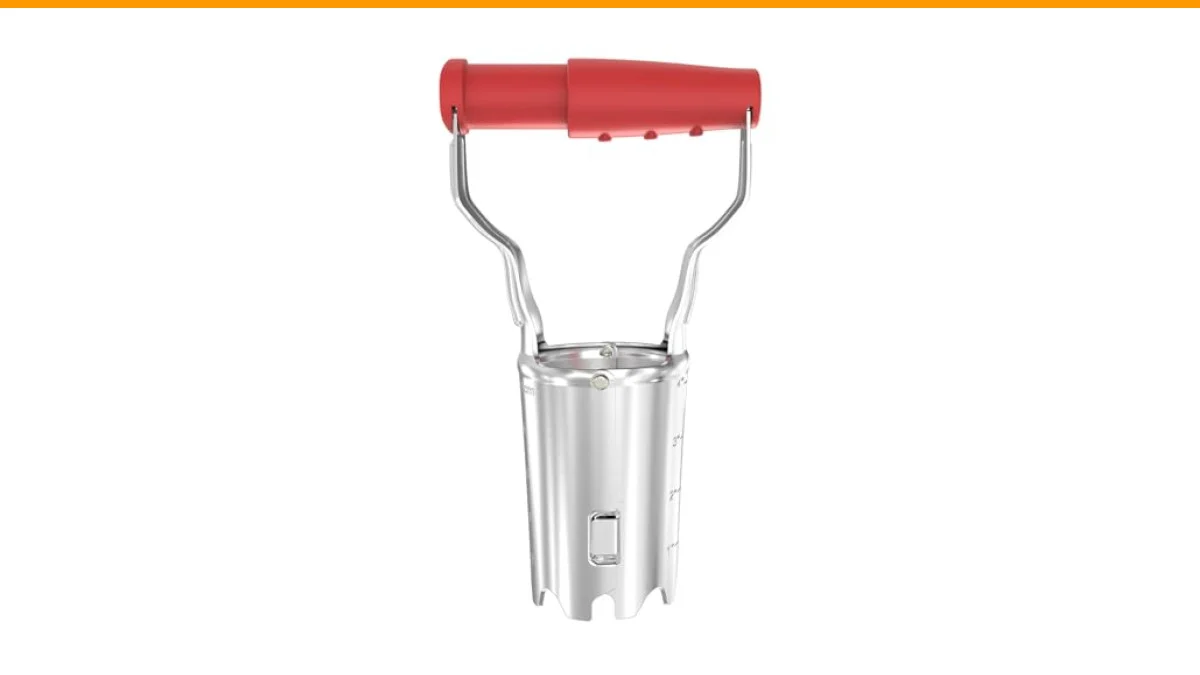
FLORA GUARD Bulb Planter with Depth Markers | Automatic Soil Releasing Seed Bulb Transplanter for Planting/Digging Tulips, Daffodils, Dahlias and More
- 🌻【Durable & Ergonomic Design】Ergonomically designed spring loaded handles makes bulb planter easy to use. High hardness of materia…
- 🌻【EFFICIENT TRANSPLANTING】The bottom of bulb planter is gear type and it's power-saving diving bulb planter into the earth. Also i…
- 🌻【Automatic Soil Release】The Automatic Bulb Transplanter innovative spring-loaded mechanism effortlessly ejects soil with a simple…
One useful tool for planting bulbs is the FLORA GUARD Bulb Planter with Depth Markers. It efficiently makes planting and transplanting a breeze, thanks to its ergonomic design and automatic soil release feature. This tool can help you achieve optimal planting depth and spacing, which are crucial for healthy bulb growth.
Choosing the Right Bulbs
When selecting spring flowering bulbs, consider the climate and soil conditions in your area. Popular options include:
- Tulips: Available in various colors, tulips thrive in well-draining soil and full sun.
- Daffodils: Known for their hardiness, daffodils can tolerate less-than-ideal conditions.
- Hyacinths: These fragrant blooms prefer well-drained soil and a sunny location for optimal growth.
Purchase bulbs from reputable sources to avoid diseases. Healthy bulbs should feel firm and free from soft spots or mold. Typically, bulbs should be planted in the fall to establish roots before winter.
Preparing the Soil
Healthy soil is the foundation of successful bulb growth. Here’s how to prepare your planting site:
- Choose the Right Location: Select a spot with good drainage and ample sunlight.
- Test the Soil: Check pH levels; most spring flowering bulbs prefer slightly acidic to neutral soil (pH 6.0 to 7.0).
- Amend the Soil: Mix in compost or well-rotted manure to improve fertility and drainage.
Soil should be loose and crumbly, allowing for easy root expansion. This preparation is vital for bulb health and can significantly impact flowering quality.
Planting Techniques
Proper planting depth and spacing can affect bulb growth. Here’s how to do it right:
- Depth: Generally, plant bulbs at a depth of three times their height. For example, a 2-inch bulb should be planted 6 inches deep.
- Spacing: Space bulbs 4 to 6 inches apart for adequate airflow. This helps prevent mold and diseases.
Use a garden trowel or the FLORA GUARD Bulb Planter to make this process easier. This tool’s depth markers ensure you plant at the right depth every time.
Ongoing Care and Maintenance
After planting, your bulbs require ongoing care to flourish:
- Watering: Water bulbs after planting to help settle the soil. During dry spells, provide about 1 inch of water weekly.
- Fertilization: Use a balanced fertilizer in early spring as shoots emerge. Follow package instructions for application rates.
- Pest Control: Monitor for pests such as aphids and slugs. Organic pesticides can help manage infestations.
After blooming, allow the foliage to die back naturally. This process helps bulbs store energy for the next growing season.
| Bulb Type | Planting Depth | Bloom Time | Sunlight Requirements |
|---|---|---|---|
| Tulips | 6-8 inches | Mid to late spring | Full sun |
| Daffodils | 6-8 inches | Early to mid spring | Full sun to partial shade |
| Hyacinths | 6-8 inches | Early to mid spring | Full sun |
What is the best time to plant spring flowering bulbs?
Plant spring flowering bulbs in the fall, approximately 6-8 weeks before the ground freezes. This timing allows them to establish roots before winter.
How deep should I plant bulbs?
Plant bulbs at a depth of about three times their height. For example, a 2-inch bulb should be planted 6 inches deep.
Should I fertilize bulbs after they bloom?
Yes, applying a balanced fertilizer after blooming helps bulbs store energy for next season’s growth.
How often should I water my bulbs?
Water bulbs thoroughly after planting. During dry spells, provide about 1 inch of water per week.
What should I do with bulb foliage after blooming?
Allow the foliage to die back naturally. This process enables the bulbs to store energy for the next growing season.
Final Thoughts
- Choose healthy bulbs from reputable sources.
- Prepare your soil with compost for optimal growth.
- Plant at the correct depth and spacing to promote healthy blooms.
- Water and fertilize as needed throughout the growing season.
- Let foliage die back naturally for bulb health.
With attention to detail and proper care, your spring flowering bulbs can thrive, providing beauty and joy in your garden for many seasons to come. For more gardening advice, you might find it helpful to read about indoor plant care kits or consider tools for effective weed control like the best weeder for lawn care.