
Pruning Dormant Plants in Winter: A Comprehensive Guide
Contents
Winter can feel like a barren time for gardeners. Many plants retreat into dormancy, leaving us with the stark reminder of what’s to come. But winter is an excellent opportunity for pruning dormant plants. This essential practice not only prepares your garden for the upcoming growing season but also enhances the health and aesthetics of your plants. If you’re unsure about the timing, tools, or techniques, you’ll find everything you need to know here.
This article will cover the best practices for pruning dormant plants in winter, including when to do it, what tools to use, and specific techniques for different plant types. You’ll walk away with practical tips that will make your pruning tasks efficient and effective.
Fiskars
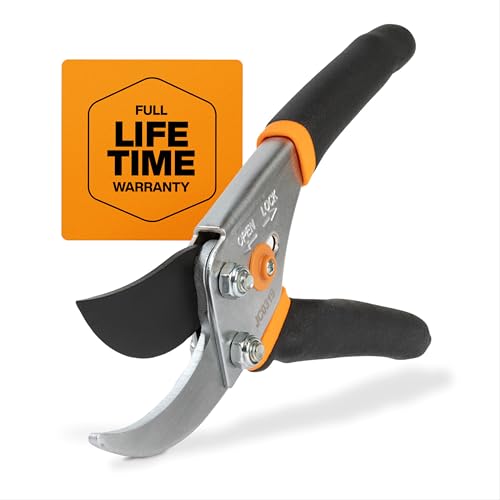
Fiskars Bypass Pruning Shears, 5/8" Cut Capacity Garden Clippers
- CLEAN CUTS FOR LIVE GROWTH: Bypass blade design is ideal for pruning delicate flower stems and green growth, helping reduce crushi…
- BLADES STAY SHARP: Precision-ground steel blades are engineered to stay sharp through heavy use, & all-steel construction provides…
- SMART BLADE FEATURES: Blade coating helps reduce friction for smoother cuts, minimizes sap buildup & gumming, and enhances resista…
One tool that can significantly enhance your pruning experience is the Fiskars Bypass Pruning Shears. These shears are designed for clean cuts, making them ideal for delicate flower stems and small branches. With precision-ground steel blades, they stay sharp through heavy use, ensuring you can tackle any pruning task with ease.
Why Prune Dormant Plants in Winter?
So, why should you bother pruning in winter? Dormant plants are easier to manage for a few reasons:
- Visibility: Without leaves, the structure of the plant is much clearer, allowing you to identify dead or diseased branches easily.
- Reduced Stress: Pruning during dormancy causes less stress to the plant, as it is not actively growing.
- Promotes Growth: Proper pruning can encourage new growth in the spring, leading to healthier and more vigorous plants.
Timing Your Pruning
Timing is critical for effective winter pruning. The best window is typically late winter to early spring, just before new growth begins. In most regions, this falls between late January and early March. If you prune too early, you risk exposing the plant to harsh winter conditions. Pruning too late may interfere with the plant’s spring growth.
Check your local climate for specific timing. For example, in warmer climates, you might be able to prune as early as late December. Conversely, in colder regions, you might need to wait until mid-March.
Essential Tools for Pruning
Having the right tools makes a world of difference. Here are some essential tools for pruning dormant plants:
- Bypass Pruning Shears: These are perfect for small branches and stems, providing clean cuts with minimal damage.
- Loppers: For thicker branches, loppers offer more leverage and cutting power.
- Handsaw: Use a handsaw for larger branches that are too thick for loppers.
- Protective Gear: Gloves and safety glasses are vital for protecting yourself during pruning.
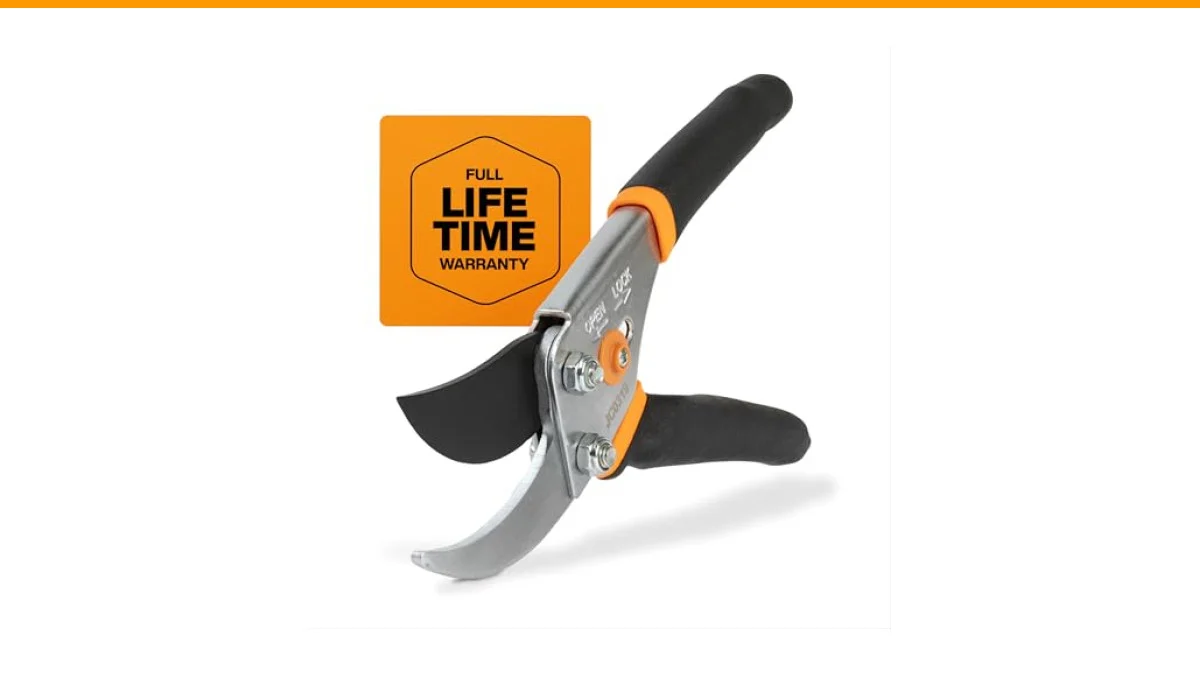
The Fiskars Bypass Pruning Shears are a great choice for most pruning tasks, due to their ergonomic design and sharp blades.
Pruning Techniques
Different plants require different pruning techniques. Here’s a quick overview of common plants and their specific needs:
| Plant Type | Pruning Technique | Best Time for Pruning |
|---|---|---|
| Fruit Trees | Remove dead or crossing branches; thin out crowded areas. | Late winter to early spring |
| Deciduous Shrubs | Cut back old growth to encourage new shoots. | Late winter |
| Perennials | Cut back to ground level to promote new growth. | Early spring |
| Roses | Remove dead wood, and shape for better air circulation. | Late winter to early spring |
These techniques cater to each plant’s growth habits and help promote healthier plants come spring. Always remember to clean your tools between uses to prevent disease spread.
What Happens If I Don’t Prune?
Skipping winter pruning can lead to overcrowded and unhealthy plants. Without proper care, you might see increased disease incidence, lower fruit production, and overall decline in plant vitality.
Is It Necessary to Use Special Tools for Pruning?
While you can use basic tools, investing in quality pruning shears like the Fiskars Bypass Pruning Shears will make the job easier and more efficient. Quality tools reduce plant damage and provide cleaner cuts, essential for plant health.
Can I Prune All Types of Plants in Winter?
Not all plants respond well to winter pruning. Evergreens, for instance, should typically be pruned in late spring or summer. Always research specific plants before pruning.
How Do I Know Where to Cut?
Look for a branch that is healthy and strong. Cut just above a leaf node or bud at a 45-degree angle to encourage healthy growth.
What Should I Do With the Cuttings?
You can compost healthy cuttings. However, if you notice any disease, it’s best to dispose of them to prevent spreading pathogens.
Final Thoughts
- Winter pruning is essential for plant health and growth.
- Use the right tools, such as the Fiskars Bypass Pruning Shears, for effective cutting.
- Timing is crucial; late winter is generally the best time.
- Different plants require specific techniques and timing for optimal results.
- Always clean your tools before and after use to maintain plant health.
For more gardening tips, check out our guides on winter pruning prep and creating a winter greenhouse.