As summer begins to fade, many gardeners find themselves wondering what to do with their plots. The warm days give way to cooler nights, and the vibrant colors of summer flowers start to dim. It’s a common scenario: you’ve enjoyed your summer harvest, but now it’s time to shift gears and think about your fall garden. Planting during this season can yield delicious, nutritious vegetables while also maximizing your garden’s productivity.
This article will guide you through the best vegetables for a fall garden, offering insights into each plant’s growing conditions, ideal planting times, and benefits. You’ll walk away with a clear understanding of how to cultivate a thriving autumn harvest, ensuring your table is full right into winter.

HOME GROWN
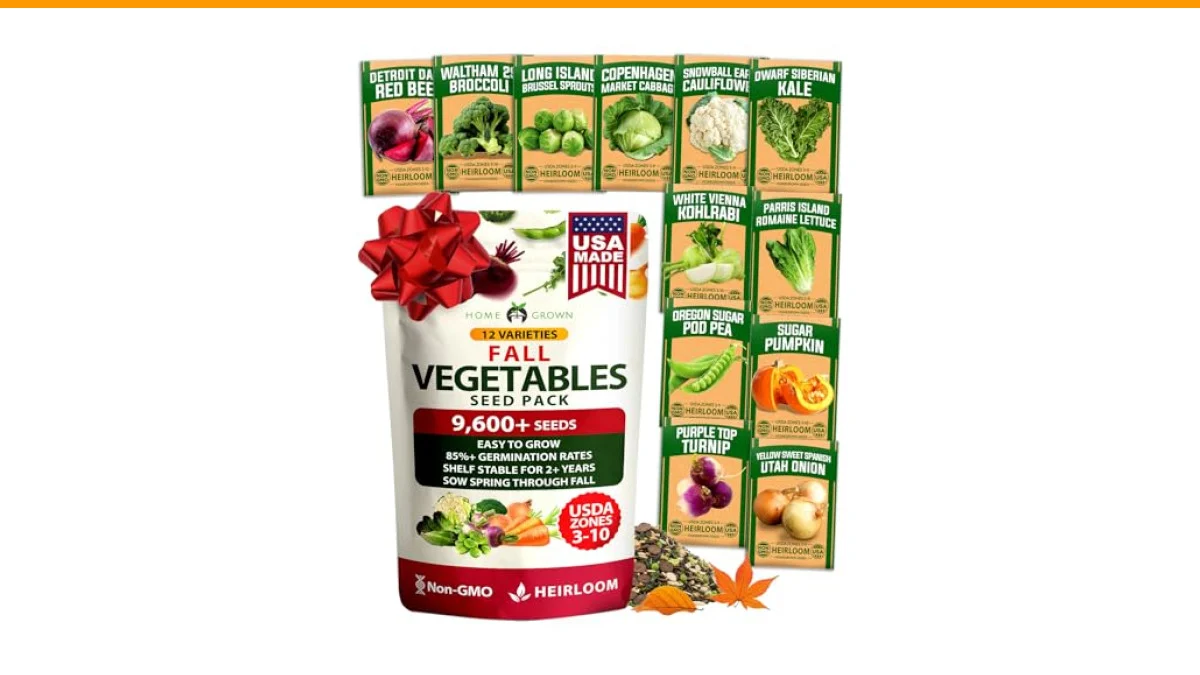
HOME GROWN 12 Fall Vegetable Varieties 9600+ Seeds Cool Season Mix | High Germination, Heirloom, Non-GMO | 12 Varieties | Cold Hardy & Frost Tolerant | Beets, Kale, Cabbage, Peas & Broccoli Mix
- ABUNDANT AUTUMN & WINTER HARVEST: Unlock a generous bounty of the finest autumn and winter vegetables from our carefully curated c…
- TOP-TIER AMERICAN SELECTION: Featuring 12 top-performing, non-GMO American seed varieties known for exceptional germination, stron…
- NATURAL STRATIFICATION ADVANTAGE: Autumn planting offers the ultimate benefit of natural seed stratification. Crops develop far mo…
If you’re looking for a reliable source of seeds for your fall planting, consider the HOME GROWN 12 Fall Vegetable Varieties 9600+ Seeds Cool Season Mix. This collection features a curated selection of cold-hardy varieties designed for optimal growth in the fall, making it an excellent choice for both novice and experienced gardeners.
Choosing the Right Vegetables
Not all vegetables thrive in the cooler temperatures of fall. When selecting crops for your autumn garden, consider their cold tolerance and growth cycle. Here are some top contenders:
- Kale: This leafy green is a superstar in the fall garden. It can be planted as late as eight weeks before the first frost. Kale thrives in cooler temperatures, and its flavor often sweetens after a frost.
- Brussels Sprouts: These are typically planted in early summer for a fall harvest, but you can start them late in the summer. They take about 90 days to mature and offer robust flavors, especially after a frost.
- Root Vegetables: Carrots, beets, and turnips can be sown directly into the ground as late as six weeks before frost. They develop sweetness and complexity in flavor as temperatures drop.
- Spinach: Known for its quick growth, spinach can be seeded about six to eight weeks before the first expected frost. It thrives in cooler weather and can provide multiple harvests.
Optimal Growing Conditions
Each vegetable has its own requirements for optimal growth. Here’s a brief guide:
| Vegetable | Ideal Soil Temperature | Days to Maturity | Planting Time |
|---|---|---|---|
| Kale | 60-65°F | 55-75 days | 6-8 weeks before frost |
| Brussels Sprouts | 60-65°F | 90 days | Late summer |
| Carrots | 55-75°F | 70-80 days | 6 weeks before frost |
| Spinach | 50-60°F | 40-50 days | 6-8 weeks before frost |
Planting and Care Tips
Successful fall gardening requires more than just selecting the right vegetables. Here are essential tips for planting and care:
- Soil Preparation: Ensure your soil is well-draining and rich in organic matter. Adding compost can improve soil fertility and moisture retention.
- Mulching: Apply a layer of mulch after planting to regulate soil temperature and retain moisture.
- Watering: Fall gardens often need consistent watering, especially in dry spells. Keep an eye on moisture levels, particularly for newly planted seeds.
- Pest Control: While pest activity decreases in cooler weather, remain vigilant. Inspect plants regularly for any signs of damage.
What vegetables can I plant in late summer for fall harvest?
In late summer, you can plant vegetables like kale, spinach, beets, and carrots. These crops often thrive in cooler weather and can be sown directly into the ground until about six weeks before the first frost.
How can I protect my fall garden from frost?
To protect your garden from frost, consider using row covers or cloches. These structures trap heat and provide a protective barrier against cold temperatures.
When should I start planting my fall garden?
Start planting your fall garden based on your local frost dates. Generally, aim to plant six to eight weeks before the first expected frost.
Can I grow vegetables in containers for the fall?
Yes, many fall vegetables can grow in containers. Ensure the containers are large enough for the root systems and provide adequate drainage.
What are some common mistakes in fall gardening?
Common mistakes include not planting early enough, neglecting soil preparation, and failing to monitor moisture levels. Being aware of these pitfalls can help ensure a successful fall harvest.
Final Insights for Your Fall Garden
- Choose cold-hardy vegetables like kale, Brussels sprouts, and root crops.
- Prepare your soil with organic matter for better yields.
- Plant six to eight weeks before the first frost for optimal growth.
- Use mulch to retain moisture and regulate soil temperature.
- Monitor for pests, even in cooler weather.
- Consider container gardening for flexibility in your fall planting.
- Explore resources on vegetable gardening for additional tips.
For more information on gardening tools and organization, check out our article on best garden tool organizers to keep your equipment in shape.
With the right planning and care, your fall garden can be a rewarding endeavor, providing fresh produce during the colder months. Happy gardening!