Introduction
Many gardeners face a common challenge: beautiful plants that become a feast for deer. These graceful creatures are often drawn to lush gardens, leaving behind a trail of destruction. For those looking to maintain an appealing outdoor space while minimizing deer damage, understanding deer resistant garden design is essential. This article will provide actionable strategies and plant options to create a vibrant garden that deer tend to avoid.
You’ll walk away with practical insights into the types of plants that deter deer and design techniques that create a thriving garden ecosystem. From selecting the right flowers to understanding plant placement, this guide aims to equip you with knowledge to protect your garden.
Lawn Seed Feed
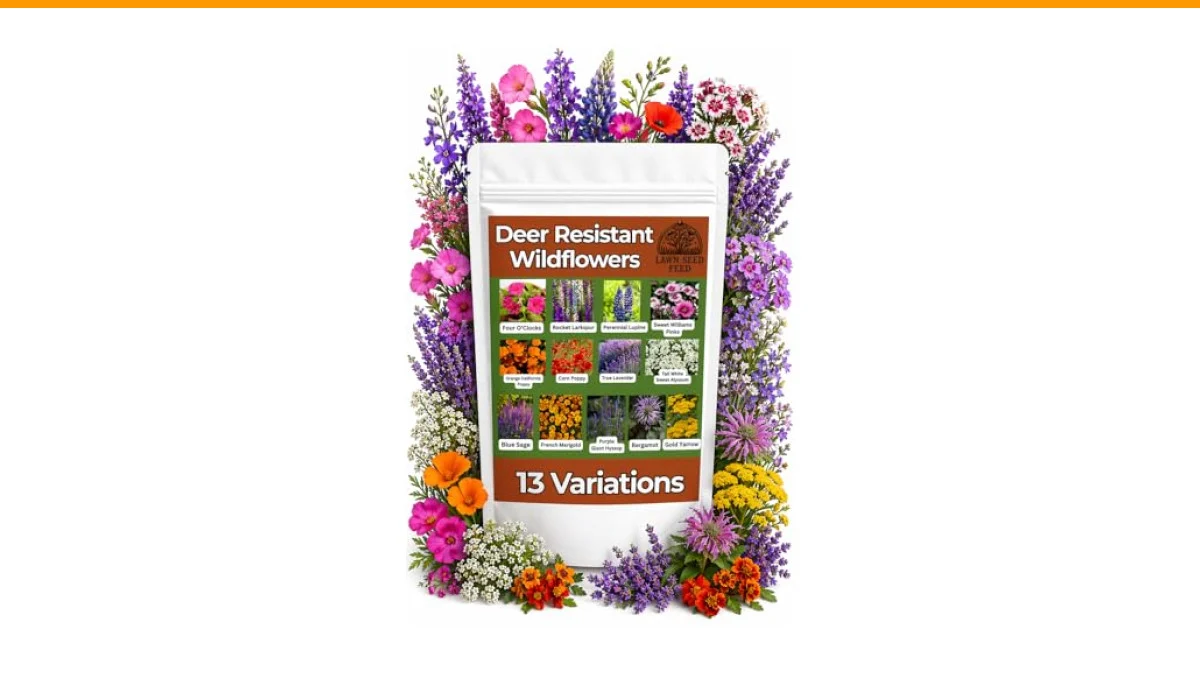
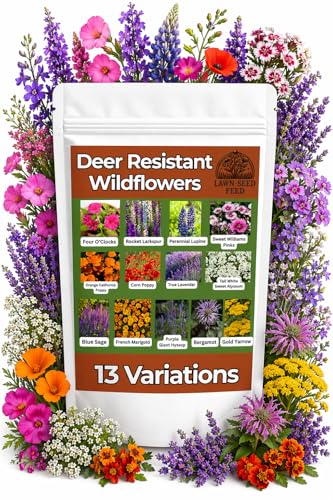
Deer Resistant Wildflower Seeds (2oz) Hardy Garden Flowers Designed to Deter Deer & Support Pollinators
- Resealable Pouch for Freshness: Wildflower seeds stay fresh by protecting them from moisture, which can cause premature germinatio…
- Colorful and Vibrant Mix: Multiple variations of wildflower seeds create a more colorful mix because different species bloom in a…
- Vibrant and Diverse Blooms: A stunning mix of colors, shapes, and sizes for a lively landscape that brings visual interest to any…
One effective way to enhance your deer resistant garden is by incorporating Deer Resistant Wildflower Seeds. These seeds, packaged in a resealable pouch for freshness, not only deter deer but also attract pollinators like butterflies and bees, enriching your garden’s biodiversity.
Understanding Deer Behavior
Deer are selective feeders, often choosing plants based on taste, scent, and texture. They tend to avoid certain species due to their strong fragrances, prickly textures, or bitter tastes. Typically, deer will first target young and tender plants. Knowing this can help you plan your garden effectively.
For example, deer are less likely to munch on plants with strong aromatic qualities, such as lavender or sage. Additionally, planting in clusters can confuse deer, as they prefer to browse areas with less density. Understanding these behaviors can guide your planting strategy.
Plant Selection for Deer Resistance
Choosing the right plants is crucial in designing a deer resistant garden. Here are some categories of plants that deer usually avoid:
- Aromatic Herbs: Plants like rosemary, thyme, and mint are unappealing to deer due to their strong scents.
- Spiny or Thorny Plants: Species such as barberry or holly can deter deer with their prickly foliage.
- Unpalatable Flowers: Flowers like daffodils, foxglove, and marigolds are typically not favored by deer.
- Native Plants: Many native plants have evolved alongside local wildlife and tend to be less palatable to deer.
Integrating a mix of these plants can create a visually appealing and resilient landscape that naturally deters deer.
Design Techniques to Deter Deer
Beyond plant selection, garden design plays a significant role in making your space less inviting for deer. Here are some effective strategies:
- Layering: Create a layered garden with taller plants at the back and shorter ones in front. This design not only looks appealing but also makes it harder for deer to access certain plants.
- Focal Points: Use hardscaping elements like boulders, statues, or raised beds to create barriers. These can disrupt deer movement and make your garden less accessible.
- Companion Planting: Combine plants that repel deer with those you wish to protect. For instance, planting lavender near roses can serve as a natural deterrent.
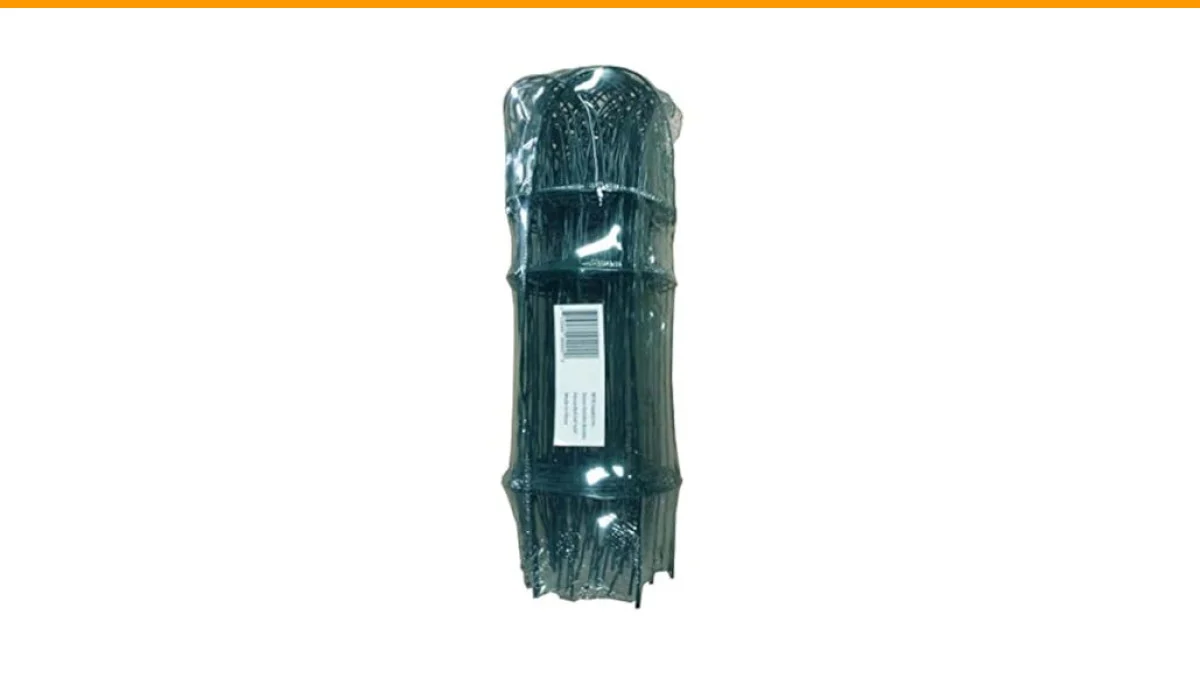
- Physical Barriers: Installing fencing can be effective. A fence at least 8 feet tall is generally recommended, as deer can easily jump lower barriers.
Comparison of Deer Resistant Plants
| Plant Type | Examples | Deer Resistance Level |
|---|---|---|
| Aromatic Herbs | Rosemary, Thyme, Sage | High |
| Spiny Plants | Barberry, Holly | High |
| Flowers | Daffodils, Foxglove | Moderate |
| Native Plants | Black-eyed Susan, Coneflower | Varies |
FAQs About Deer Resistant Garden Design
What are the best plants for a deer resistant garden?
Some of the best plants include aromatic herbs like rosemary and sage, spiny plants such as barberry, and unpalatable flowers like daffodils. These plants typically deter deer due to their strong scents or textures.
How can I make my garden less attractive to deer?
Incorporate a mix of deer resistant plants, use physical barriers like fencing, and create visual disruptions with hardscape elements. Planting in layers can also make certain plants less accessible.
Is it possible to completely prevent deer from entering my garden?
While it’s challenging to completely deter deer, using a combination of strategies—like planting resistant species and installing tall fences—can significantly reduce their presence.
Are there any repellents that work against deer?
There are commercial deer repellents available that use odors or tastes that deer find unpleasant. However, their effectiveness can vary, and they often need to be reapplied after rain.
How do I maintain a deer resistant garden?
Regular maintenance, such as pruning and replacing dead plants, is essential. Monitor your garden for any deer activity and adjust your strategies as needed.
Final Thoughts on Deer Resistant Garden Design
- Choose a diverse array of deer resistant plants.
- Incorporate aromatic herbs and spiny plants.
- Utilize design techniques like layering and focal points.
- Consider physical barriers to protect vulnerable plants.
- Regularly assess and maintain your garden’s health.
- Experiment with different combinations to find the best fit for your space.
- Learn from local gardening communities for shared experiences and tips.