Understanding Rain Gardens
Rain gardens are more than just aesthetic additions to your landscape; they serve a crucial function in managing stormwater runoff. Imagine a heavy rainstorm pouring down, water pooling in your yard instead of flowing into storm drains. This is a common situation that many homeowners face. Rain gardens can help mitigate this issue by absorbing excess rainfall and filtering pollutants, all while providing a habitat for wildlife.
In this guide, you will learn how to design and place rain gardens effectively. We’ll cover essential factors such as location, plant selection, and maintenance tips to ensure your rain garden thrives. You can expect to walk away with practical knowledge that you can apply directly to your landscaping projects.
Rain Bird
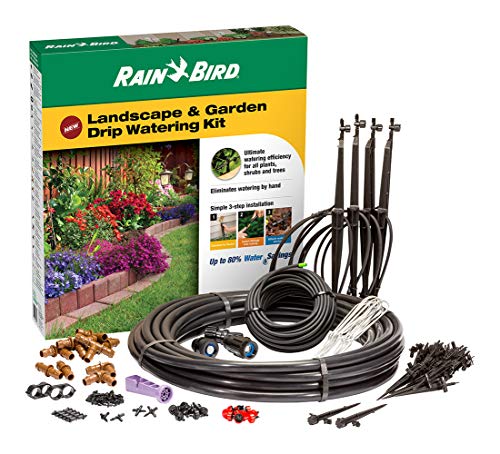
Rain Bird LNDDRIPKIT Drip Irrigation Kit | Drip Irrigation Kits, Irrigation Systems, Plant Watering Kits, Garden Irrigation Supplies, gardens and landscaped areas
- Comprehensive 108-piece kit for flower beds, gardens and landscaped areas; eliminates hand watering, saves time and money
- Ultimate watering efficiency for all plants, shrubs and trees; up to 80% water savings
- Simple 3-step installation: connect to faucet, insert fittings into tubing, attach watering devices
For efficient watering, consider the Rain Bird LNDDRIPKIT Drip Irrigation Kit. This comprehensive 108-piece kit is designed for flower beds and gardens, eliminating the need for hand watering while saving time and money. With its pressure-compensating technology, it ensures all plants receive consistent watering, making it an excellent addition to your rain garden.
Key Factors in Rain Garden Design
When embarking on rain garden design, several factors need consideration:
- Location: Choose a spot at least 10 feet away from your home’s foundation to avoid water infiltration into basements.
- Drainage: Test the soil drainage by digging a hole 12 inches deep. Fill it with water and see how long it takes to drain. Aim for a drainage time of 24 hours.
- Size: A general rule of thumb is to size the garden at approximately 20% of the area that drains into it.
- Plant Selection: Use native plants that can tolerate both wet and dry conditions. Consider species like black-eyed Susans or Joe Pye weed.
Common Misconceptions About Rain Gardens
1. Rain Gardens Are Just Puddles
Many people think rain gardens are simply glorified puddles. In reality, they’re designed to absorb and filter stormwater. When properly constructed, they will not create standing water for extended periods, helping to prevent mosquito breeding and other issues.
2. You Can Use Any Plants
Not all plants thrive in rain gardens. Native plants that are adapted to your local climate will perform best. They require less maintenance and provide better habitat for local wildlife. Choose plants with varying heights and blooming times to create a visually appealing garden.
Effective Placement of Rain Gardens
Placement is crucial for the success of your rain garden. Follow these guidelines:
- Downslope of Hard Surfaces: Position your rain garden where water naturally flows, such as near driveways or roofs. This enhances water capture.
- Natural Landscaping: Incorporate the rain garden into existing landscaping. This can involve contouring the land or using natural features to direct water flow.
- Sunlight: Ensure the area receives adequate sunlight, as most native plants prefer full sun to partial shade.
Comparing Rain Garden Strategies
| Strategy | Advantages | Disadvantages |
|---|---|---|
| Native Planting | Low maintenance, supports local wildlife | May require research to select appropriate species |
| Tiered Design | Maximizes water absorption, visually appealing | More complex construction |
| Rock and Gravel Beds | Improves drainage, reduces erosion | Can appear less natural if not done well |
What Maintenance Do Rain Gardens Need?
Maintenance includes weeding, mulching, and replacing dead plants. A well-designed rain garden will minimize maintenance needs, but regular attention is essential.
Can I Build a Rain Garden in Any Climate?
Rain gardens can be adapted to various climates. However, plant selection will change significantly. Researching native plants in your area is critical.
How Long Will It Take for My Rain Garden to Establish?
It usually takes one to three years for a rain garden to fully establish. During this time, regular watering helps the plants become established.
Are Rain Gardens Expensive to Install?
Costs can vary widely based on size and design. A simple rain garden might cost a few hundred dollars, while a more elaborate setup could run into the thousands.
What Should I Consider Before Starting a Rain Garden?
Evaluate your yard’s drainage patterns, existing landscaping, and soil conditions before starting. This will help you design an effective rain garden.
Final Thoughts on Rain Garden Design and Placement
- Choose the right location, away from foundations.
- Test your soil’s drainage before starting.
- Incorporate native plants for better results.
- Consider water flow and natural landscaping.
- Regular maintenance keeps your rain garden thriving.
- Explore options like the Rain Bird LNDDRIPKIT for efficient watering.
- Research local regulations regarding rain garden construction.