Many gardeners face the frustration of discovering that their lush, vibrant gardens have become a buffet for deer. These graceful creatures, while beautiful to observe, can quickly decimate a carefully curated landscape, leaving you feeling defeated. However, with the right strategies, you can create a stunning garden design that both deters deer and attracts beneficial pollinators.
This article will guide you through practical techniques for designing a deer resistant garden. You’ll learn about specific plants that deer tend to avoid, effective layout strategies, and how to enhance your garden’s biodiversity. By the end, you’ll be equipped with actionable insights to transform your garden into a vibrant sanctuary, free from deer-related damage.
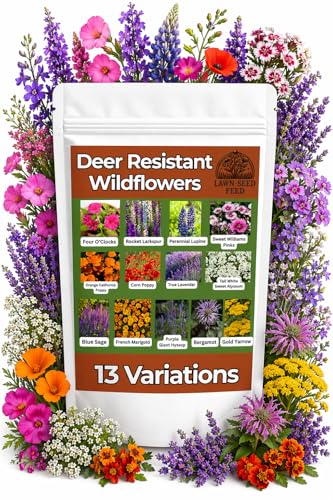
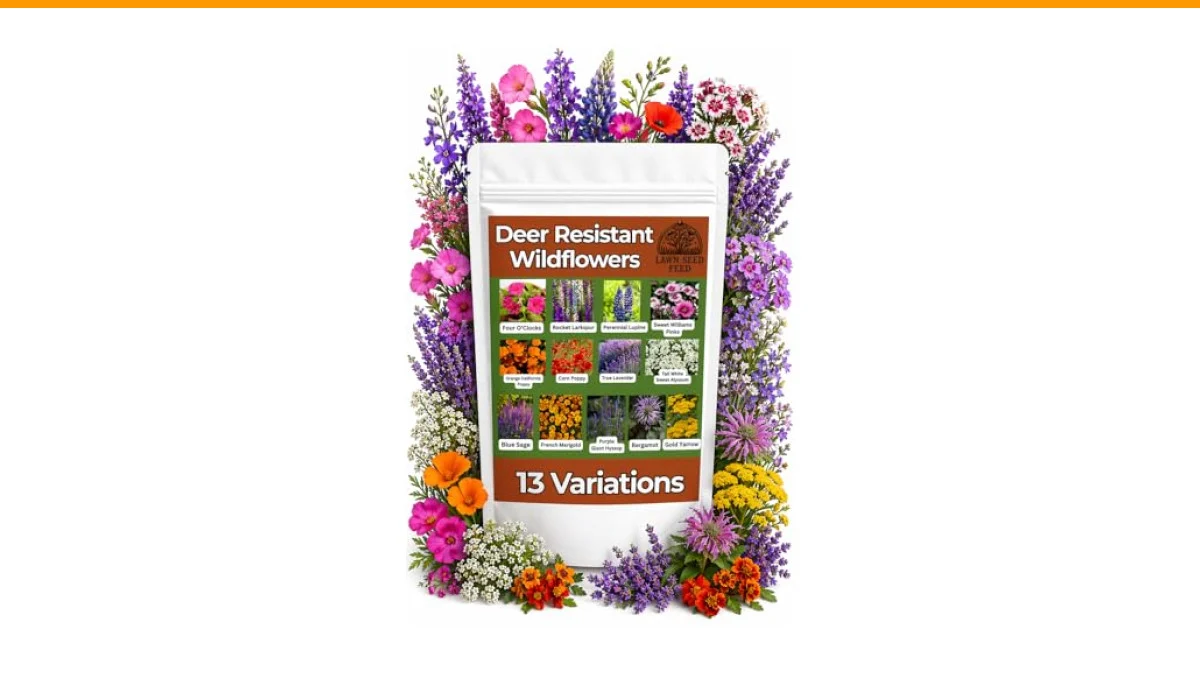
Lawn Seed Feed
Deer Resistant Wildflower Seeds (2oz) Hardy Garden Flowers Designed to Deter Deer & Support Pollinators
- Resealable Pouch for Freshness: Wildflower seeds stay fresh by protecting them from moisture, which can cause premature germinatio…
- Colorful and Vibrant Mix: Multiple variations of wildflower seeds create a more colorful mix because different species bloom in a…
- Vibrant and Diverse Blooms: A stunning mix of colors, shapes, and sizes for a lively landscape that brings visual interest to any…
For those looking to add some color and biodiversity, consider incorporating Deer Resistant Wildflower Seeds. These hardy garden flowers are designed not only to deter deer but also to support pollinators like bees and butterflies.
Understanding Deer Behavior
Before diving into specific design elements, it’s crucial to understand deer behavior. Deer are browsers, meaning they prefer tender foliage, herbs, and budding flowers. They tend to avoid plants with strong scents, fuzzy textures, or bitter-tasting foliage. This knowledge can significantly influence your plant selection.
In a study, it was found that deer are less likely to consume plants in the Allium family (like garlic and onions) and those with strong fragrances such as lavender and rosemary. Knowing this, incorporating these plants into your design can create a natural deterrent.
Choosing the Right Plants
Selecting plants that deer tend to avoid is a cornerstone of deer resistant garden design. Below are categories of effective plants:
- Herbaceous Perennials: Plants like Salvia, Catmint, and Lavender are known for their aromatic properties.
- Foliage Plants: Consider using Ferns and Hellebores, which have textures that deer find unappetizing.
- Native Plants: Many native species, such as Echinacea and Penstemon, are well adapted to your local environment and often less appealing to deer.
- Thorny and Spiny Plants: Incorporate plants like Barberry or Holly to create a natural barrier.
Garden Layout and Design Techniques
The layout of your garden can also play a significant role in deterring deer. Here are some effective strategies:
- Layering: Use taller plants to create a visual barrier. This can deter deer from venturing into the garden.
- Border Plants: Establish a border of thorny or strong-scented plants around the perimeter of your garden.
- Raised Beds: Building raised beds can physically elevate your plants, making them less accessible to deer.
- Water Features: Incorporate shallow ponds or bird baths. Deer tend to avoid areas with water as they prefer open fields.
Maintenance and Additional Deterrents
Even with careful planning, occasional deer visits may still occur. Here are some methods to reinforce your garden’s defenses:
- Fencing: A fence should be at least 8 feet tall, as deer can jump high. Electric fencing can also be effective.
- Scents: Use deer repellents or homemade mixtures of garlic and cayenne pepper to deter them.
- Motion-Activated Sprinklers: These can scare deer away when they approach your garden.
- Regular Maintenance: Keep your garden tidy. Deer are less likely to venture into well-maintained spaces.
| Plant Type | Deer Resistance | Attracts Pollinators | Notes |
|---|---|---|---|
| Herbaceous Perennials | High | Yes | Include plants like Salvia and Catmint. |
| Foliage Plants | Moderate | Some | Ferns and Hellebores work well. |
| Native Plants | High | Yes | Echinacea and Penstemon are great choices. |
| Thorny Plants | Very High | No | Barberry and Holly create barriers. |
What are the best deer resistant plants?
Some of the best deer resistant plants include lavender, sage, and barberry. These plants are often avoided due to their strong scents or textures.
How can I create a deer resistant garden on a budget?
Consider using native plants, as they require less maintenance and are often more resilient. Additionally, creating barriers with inexpensive materials can help keep deer at bay.
Should I use a fence for my deer resistant garden?
Yes, a fence can be very effective. Ensure it’s at least 8 feet tall to prevent deer from jumping over.
Can I use deer repellents effectively?
Yes, repellents can be effective when applied regularly. However, their effectiveness can diminish after rain or watering.
What is the best time to plant deer resistant flowers?
The best time to plant is in spring or early fall. This allows plants to establish roots before the heat of summer or the frost of winter.
Final Thoughts on Deer Resistant Garden Design
- Understand deer behavior to choose effective plants.
- Incorporate a variety of deer resistant plants.
- Utilize garden layout strategies to deter deer.
- Consider maintenance techniques for ongoing protection.
- Regularly assess and adjust your garden design as needed.
- Explore a mix of solutions for the best results.
- Enjoy a diverse garden that attracts pollinators while keeping deer at bay.