Imagine it’s summer, and the sun blazes down relentlessly. Your neighbor’s lush garden looks vibrant, while yours is struggling to survive with limited water. This scenario is all too common in areas facing drought conditions. However, you can create a drought tolerant garden that not only conserves water but also thrives under these challenging circumstances. This article will guide you through the essential steps to design an effective drought resistant garden, from plant selection to layout and maintenance.
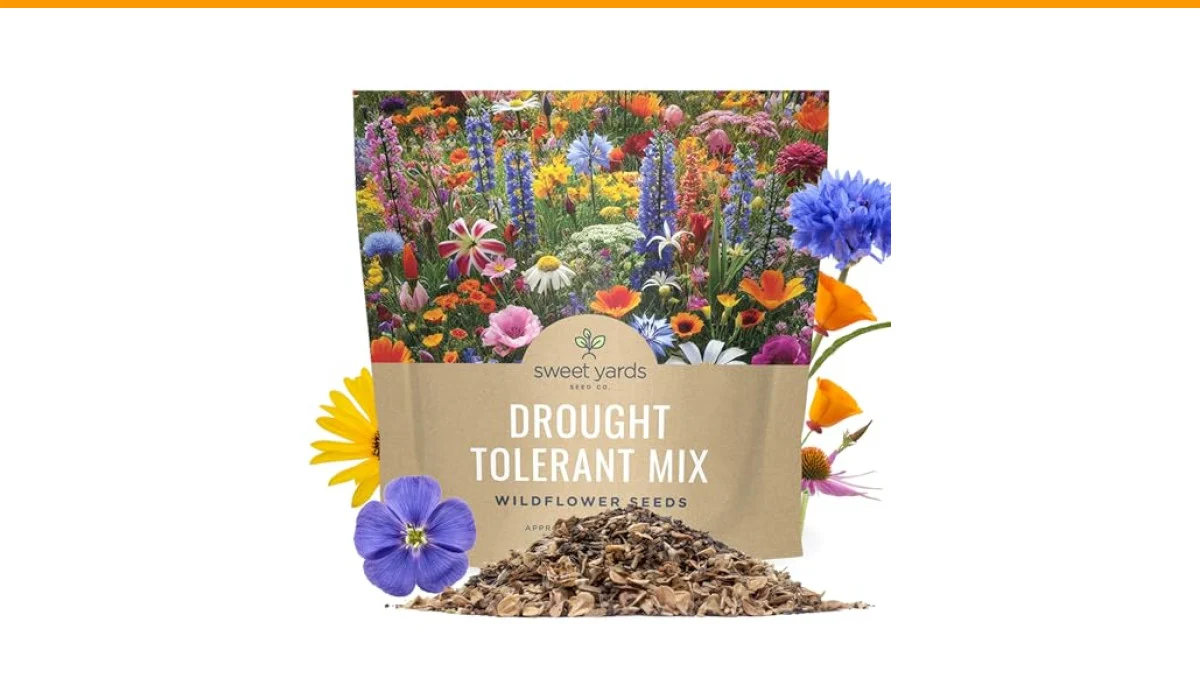
To kick off your journey, consider the Drought Tolerant Wildflowers Mix from Sweet Yards. This extra-large packet contains over 7,500 open-pollinated non-GMO seeds, featuring 21 different dryland species. This mix is perfect for filling your garden with vibrant colors while ensuring low water requirements, making it an excellent choice for your drought tolerant garden design.

SWEET YARDS
Drought Tolerant Wildflowers Mix – Extra Large Packet – Over 7,500 Open Pollinated Non-GMO Seeds – 21 Different Dryland Species
- EXTRA LARGE PACKET contains over 1 full ounce of pure live seeds (7,500+ seeds) - Enough to cover 100 square feet.
- THE FRESHEST SEEDS available lead to high germination rates, making your gardening easy, successful, and fun.
- PREMIUM PACKAGING designed for optimal seed storage, with full planting instructions and reusable zipper - Great for gift giving.
Understanding Drought Tolerant Plants
Drought tolerant plants have adapted to survive with minimal water. These plants come in various forms, including succulents, native species, and ornamental grasses. Key characteristics of these plants include:
- Deep Root Systems: Many drought tolerant plants develop extensive root systems that allow them to access moisture deep within the soil.
- Water Storage: Some plants, like succulents, store water in their leaves or stems, allowing them to survive long dry spells.
- Reduced Leaf Surface Area: Many have small or narrow leaves to minimize water loss through evaporation.
Designing Your Drought Tolerant Garden
Creating a drought tolerant garden involves careful planning and design. Here are some actionable steps to follow:
- Assess Your Space: Evaluate the sunlight, soil type, and drainage of your garden area. Some plants thrive in full sun, while others prefer partial shade.
- Select the Right Plants: Choose a mix of native and drought tolerant species. For example, lavender, sage, and agave are excellent choices. Consider using the Drought Tolerant Wildflowers Mix for a colorful display.
- Group Plants Wisely: Plant species with similar water needs together. This will allow you to water more efficiently, reducing waste.
- Create Microclimates: Use hardscaping elements like rocks or walls to create shaded areas and protect plants from harsh winds.
- Implement Mulching: Apply a layer of mulch around plants to retain moisture and suppress weeds.
Watering Techniques for Drought Tolerant Gardens
Even drought tolerant gardens need water, especially during establishment. Here are some effective watering techniques:
- Soak Deeply: Water deeply but infrequently to encourage deep root growth. Aim for about 1-2 inches of water per week.
- Use Drip Irrigation: Installing a drip irrigation system can deliver water directly to the roots, minimizing evaporation losses.
- Water Early or Late: Watering in the early morning or late evening reduces evaporation and ensures more water reaches the roots.
Comparison of Drought Tolerant Plant Categories
| Plant Type | Water Needs | Typical Features | Examples |
|---|---|---|---|
| Succulents | Low | Fleshy leaves for water storage | Aloe, Echeveria |
| Native Plants | Low to Moderate | Adapted to local climate | California Poppy, Purple Coneflower |
| Ornamental Grasses | Low to Moderate | Graceful foliage, drought resilience | Blue Fescue, Feather Reed Grass |
| Herbs | Low | Aromatic, edible | Thyme, Oregano |
What are drought tolerant plants?
Drought tolerant plants are species that have adapted to survive with minimal water. They typically have deep roots, water-storing abilities, and physical characteristics that reduce water loss.
How do I start a drought tolerant garden?
Begin by assessing your space for sunlight and soil conditions. Select suitable drought tolerant plants and group them based on their water needs. Follow the steps outlined above for optimal results.
Can I use regular garden soil for a drought tolerant garden?
While regular garden soil can work, improving drainage is essential. Consider amending your soil with compost or sand to enhance its structure and moisture retention capabilities.
What maintenance does a drought tolerant garden require?
Maintenance includes occasional watering during dry spells, mulching, and pruning dead or overgrown plants. Regular monitoring will help ensure your garden thrives.
Are native plants better for drought tolerant gardens?
Native plants are often better suited for drought tolerant gardens as they are adapted to local climates and require less water and care. They also support local wildlife.
Take Action: Key Steps for Your Drought Tolerant Garden
- Assess your garden space and conditions.
- Select a mix of drought tolerant and native plants.
- Implement efficient watering techniques, such as drip irrigation.
- Enhance soil with compost for better moisture retention.
- Regularly monitor plant health and adjust care as needed.
- Consider using a seed mix like the Drought Tolerant Wildflowers Mix to enhance biodiversity.
- Use mulch to retain soil moisture and prevent weed growth.
Creating a drought tolerant garden is an enriching endeavor. By selecting the right plants and using effective design techniques, you can cultivate a beautiful, sustainable landscape that thrives even in challenging conditions.