Imagine stepping into your garden on a warm afternoon and seeing vibrant, iridescent hummingbirds flitting from flower to flower. Their rapid wingbeats create a soft hum, and their presence adds life and beauty to your outdoor space. Creating a hummingbird garden not only beautifies your surroundings but also supports these essential pollinators. With the right plants, you can create a haven for these tiny birds that will keep them returning year after year.
This article will guide you through the best hummingbird garden plants, including specific varieties and tips to attract these enchanting creatures. You’ll learn about the types of plants that provide nectar, as well as how to create a suitable environment for hummingbirds.

Perky-Pet
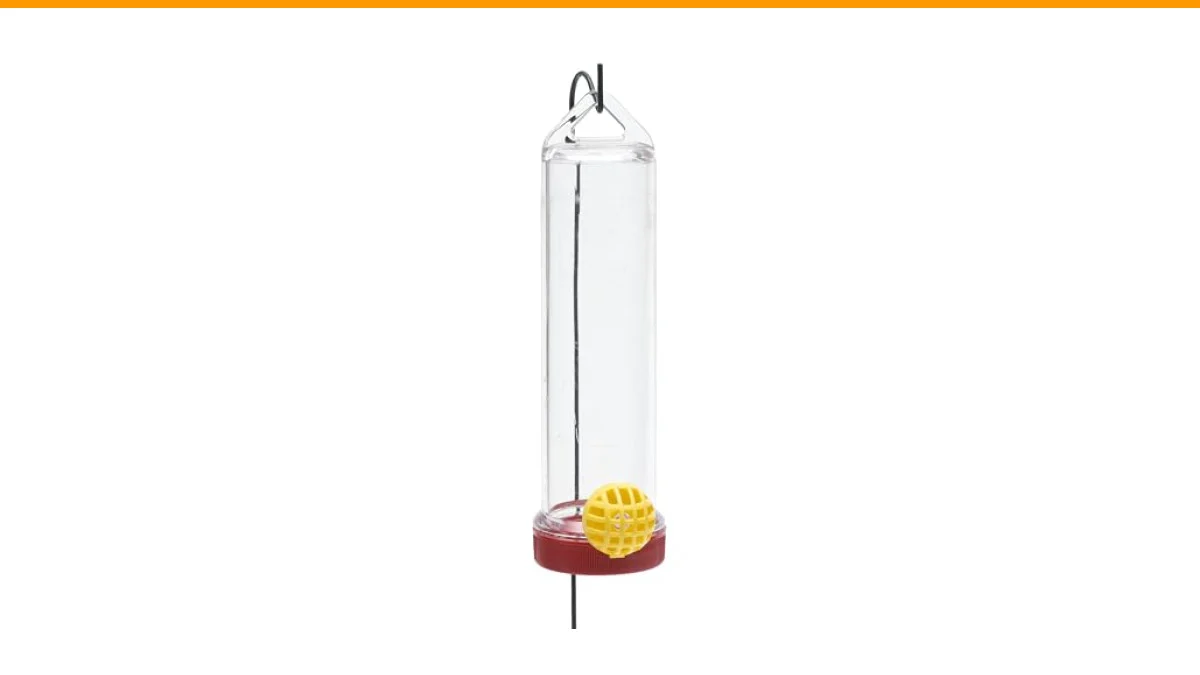
Perky-Pet Planter Box Plastic Hummingbird Feeder with Hanging Rod, 3 Fl Oz Capacity - Humming bird Feeder for Outdoors, 215P
- FOR FLOWERBEDS & HANGING BASKETS: Place in flowerbeds and hanging baskets with included hanger
- BEE-RESISTANT: This Perky-Pet hummingbird feeder has 1 bee resistant feeding port
- DURABLE: This feeder is made from clear, shatter resistant plastic
For those wanting to attract hummingbirds easily, consider using a feeder. The Perky-Pet Planter Box Plastic Hummingbird Feeder is a compact solution that holds 3 ounces of nectar, and it can be placed in flowerbeds or hanging baskets. It features a bee-resistant feeding port, ensuring that your feeder serves its purpose without unwanted visitors.
Best Hummingbird Garden Plants
The most effective way to attract hummingbirds is through the selection of specific plants that provide the nectar they crave. Here are some standout options:
- Bee Balm (Monarda didyma): This perennial has vibrant red or purple flowers that bloom from summer to fall, attracting hummingbirds and other pollinators.
- Salvia (Salvia spp.): With several varieties available, salvias produce tubular flowers in shades of blue, purple, and red. Hummingbirds love them, and they thrive in sunny spots.
- Coral Honeysuckle (Lonicera sempervirens): This climbing vine offers tubular flowers that are particularly appealing to hummingbirds. Its scent adds an additional attraction.
- Trumpet Vine (Campsis radicans): This vigorous vine produces large, trumpet-shaped flowers in bright orange and red hues, perfect for attracting hummingbirds.
- Cardinal Flower (Lobelia cardinalis): Known for its striking red flowers, this plant thrives in moist areas and is a favorite among hummingbirds.
These plants not only provide nectar but also add color and texture to your garden. Plant them in clusters for a visual impact and to create a more inviting space for hummingbirds.
Creating the Ideal Environment
While selecting the right plants is essential, creating a welcoming environment for hummingbirds involves more than just flowers. Here are some additional steps to consider:
- Choose Native Plants: Native plants are adapted to your local climate and soil, which makes them easier to grow and more inviting to local wildlife.
- Provide Water Sources: Hummingbirds enjoy bathing. Adding a shallow birdbath or a mister can entice them to visit more frequently.
- Avoid Pesticides: Chemicals can harm hummingbirds and their food sources. Opt for organic gardening methods to protect these vital creatures.
When to Plant for Hummingbirds
Timing is crucial for attracting hummingbirds. Generally, it’s best to plant in early spring when these birds return from their winter migration. Depending on your region, this can be as early as March or as late as May. Consider planting in stages to ensure blooms throughout the summer, providing a continuous food source.
Comparison of Hummingbird Plants
| Plant Name | Flower Color | Blooming Season | Water Needs |
|---|---|---|---|
| Bee Balm | Red, Purple | Summer to Fall | Moderate |
| Salvia | Blue, Purple, Red | Summer | Low |
| Coral Honeysuckle | Red, Yellow | Spring to Summer | Moderate |
| Trumpet Vine | Orange, Red | Summer | Low |
| Cardinal Flower | Red | Summer | High |
What types of flowers attract hummingbirds?
Hummingbirds are drawn to tubular flowers that produce high nectar content. Varieties such as trumpet vine, salvia, and bee balm are especially effective.
Do hummingbirds prefer certain colors?
Bright colors, particularly red, orange, and pink, attract hummingbirds. These colors signal abundant nectar sources.
How often should I refill a hummingbird feeder?
In hot weather, it’s best to check your feeder every 2-3 days and refill it as necessary to prevent spoilage.
Can I use sugar water in a hummingbird feeder?
Yes, a mixture of 1 part sugar to 4 parts water is ideal. This mimics the natural nectar found in flowers.
Should I clean my hummingbird feeder?
Regular cleaning is essential to prevent mold and bacteria. Clean it every 1-2 weeks with hot water and a mild soap.
Final Thoughts on Hummingbird Gardens
- Choose a variety of nectar-rich plants to attract hummingbirds.
- Plant in clusters for a visual impact.
- Provide water and avoid pesticides to create a safe environment.
- Plant early in the spring for the best results.
- Consider using a hummingbird feeder for additional attraction.
- Regularly refill and clean feeders to maintain hygiene.
- Enjoy the beauty and wonder of hummingbirds in your garden.
Creating a hummingbird-friendly garden is a rewarding endeavor. With the right plants and care, you’ll be rewarded with the sight of these fascinating birds throughout the warmer months.