Imagine walking through your garden, plucking fresh herbs and fruit as you stroll. The vibrant colors and textures of your plants create a feast for the eyes and the palate. Edible landscape design blends aesthetics with functionality, allowing you to cultivate beauty while producing nutritious food. In this article, you’ll learn how to create your own edible landscape, explore specific plant options, and understand practical design ideas that can transform your outdoor space into a sustainable food source.
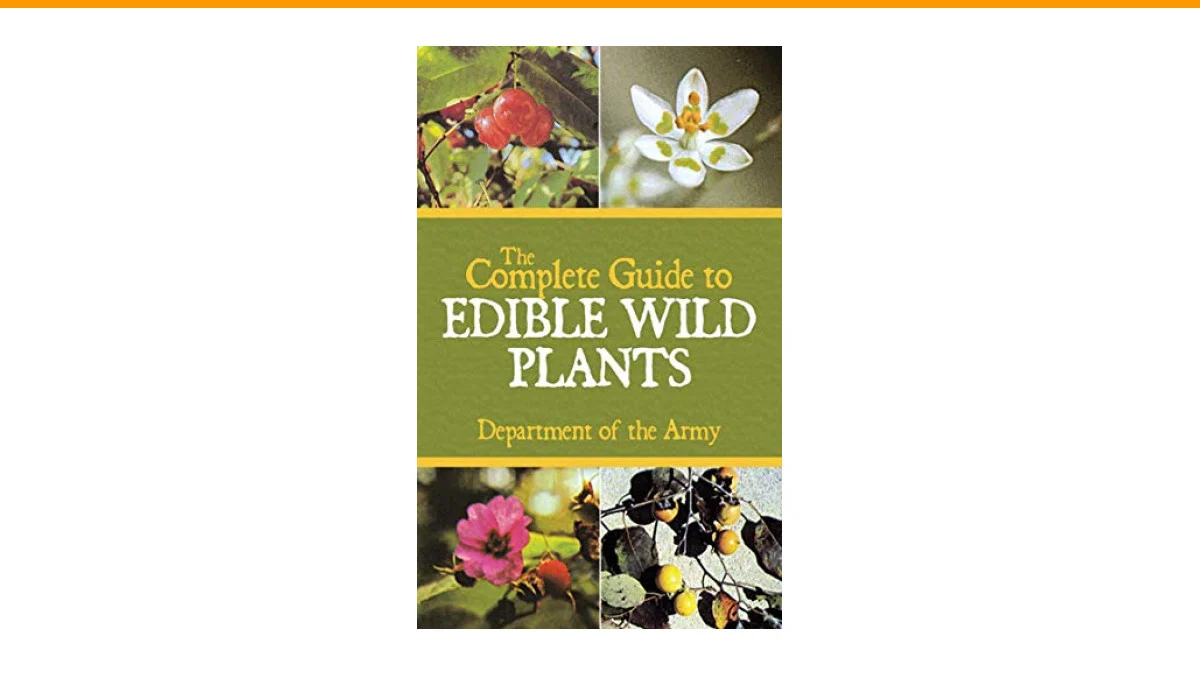
For those interested in expanding their knowledge of edible plants, The Complete Guide to Edible Wild Plants offers a comprehensive look at various species. This resource not only identifies edible plants but also details characteristics and potential hazards. Over 100 color photos make it an engaging reference for any aspiring edible gardener.

Skyhorse
The Complete Guide to Edible Wild Plants | book
- In-depth Guide to edible plants
- Identifies poisons and edible plant characteristics
- Over 100 color photos
Understanding Edible Landscaping
Edible landscape design merges traditional landscaping principles with food production. Here’s how to get started:
- Choose the Right Location: Identify areas in your yard that receive adequate sunlight and have good drainage. Most edible plants thrive in well-drained soil and require six to eight hours of sunlight daily.
- Select Suitable Plants: Focus on a mixture of edible plants that will thrive in your climate. Popular options include:
- Herbs (basil, rosemary, mint)
- Fruits (strawberries, blueberries, apples)
- Vegetables (tomatoes, peppers, kale)
- Nuts (hazelnuts, walnuts)
- Plan Your Layout: Use design principles such as symmetry, color coordination, and height variation. Group plants according to their water and sunlight needs for optimal growth and maintenance.
Creative Design Ideas
Here are some effective edible landscape design ideas to inspire you:
- Vertical Gardens: Use trellises or wall-mounted planters to grow climbing plants like beans or cucumbers. This saves space and adds visual interest.
- Edible Borders: Plant herbs or low-growing fruits along walkways and borders. This creates an aromatic path and maximizes space.
- Fruit Trees as Focal Points: Incorporate fruit trees into your landscape design. Trees like dwarf apple or peach varieties can fit into smaller spaces while providing shade and beauty.
- Pollinator Gardens: Include flowering plants that attract bees and butterflies, enhancing biodiversity while supporting your edible plants.
Planting and Maintenance Tips
Successful edible landscapes require ongoing care. Consider these practical tips:
- Soil Preparation: Start with nutrient-rich soil. Amend with compost to improve fertility and structure.
- Watering Schedule: Establish a consistent watering routine, especially for newly planted trees and shrubs. Drip irrigation can be efficient for larger gardens.
- Pest Management: Use organic methods to manage pests. Introducing beneficial insects like ladybugs can help control aphid populations.
Comparison of Edible Plant Options
| Plant Type | Growth Habit | Harvest Time | Sun Requirements |
|---|---|---|---|
| Herbs | Compact | Year-round | Full sun |
| Fruits | Varying heights | Seasonal | Full sun |
| Vegetables | Low to medium | Varies by type | Full sun to partial shade |
| Nuts | Large trees | Seasonal | Full sun |
What are the benefits of edible landscaping?
Edible landscaping provides fresh produce, enhances biodiversity, and reduces the need for store-bought groceries. It also beautifies your space and can contribute positively to the environment.
How much space do I need for an edible landscape?
You can create an edible landscape in any space, from a small balcony to a large yard. Even a few pots on a patio can yield fresh herbs and vegetables.
Can I grow edible plants in containers?
Yes, many edible plants thrive in containers. Herbs, tomatoes, and peppers are excellent choices for container gardening due to their manageable size and growth habits.
How do I keep pests away from my edible garden?
Implement organic pest control methods like companion planting, using barriers, and introducing beneficial insects. Regular monitoring and maintenance are key to preventing infestations.
What are common mistakes to avoid in edible landscaping?
Some frequent pitfalls include choosing inappropriate plant varieties for your climate, neglecting soil health, and overcrowding plants. Make sure to research plants thoroughly before planting.
Actionable Steps for Your Edible Landscape
- Assess your yard for sunlight and drainage.
- Select a mix of herbs, fruits, and vegetables suited to your climate.
- Plan your layout using design principles for beauty and functionality.
- Prepare the soil with compost and nutrients.
- Water consistently and monitor for pests.
- Be patient and enjoy the process of watching your garden grow.
- Regularly harvest for freshness and to encourage further growth.